
Thousands participate, drenching each other with Rioja wine from dawn till midday. Origins trace back centuries, possibly to pilgrimages or land disputes
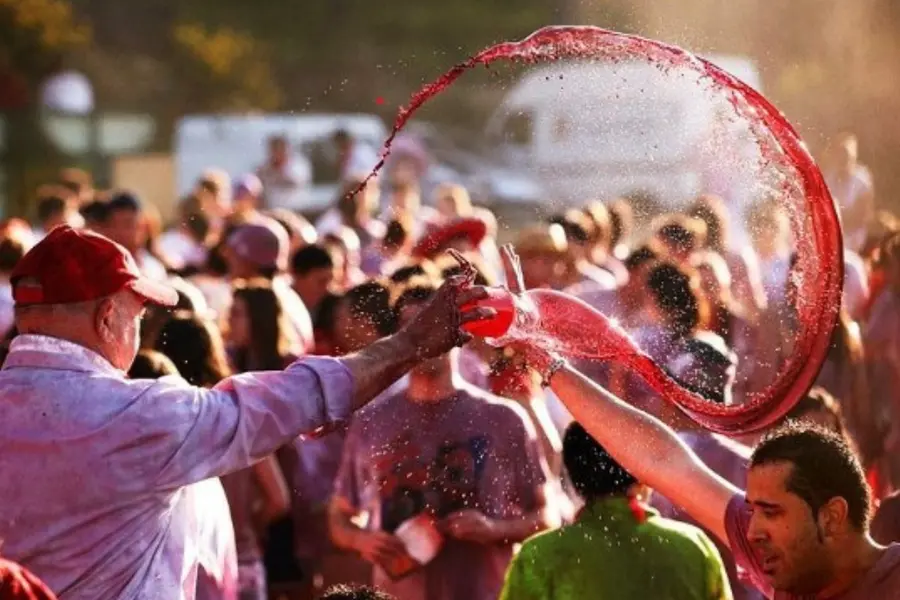
Every summer, the peaceful wine capital of Rioja is turned into a purple-hued battlefield, as locals and travellers descend on the small Spanish town of Haro.
The event? Batalla del Vino, or the Battle of the Wine. Held every 29th of June on San Pedro’s Day, this wild celebration blends history, wine, and a whole lot of chaos into one unforgettable festival.
What is the Battle of the Wine?
The Haro Wine Festival is a one-of-a-kind annual event that brings together thousands of locals and visitors for a massive wine fight.
Armed with buckets, bottles, and water pistols filled with red Rioja, participants make their way up to the cliffs of Bilibio to drench everyone in sight. The result? White shirts stained purple and spirits running high.
How did it all start?
The festival's origins are traced back to the sixth century, when pilgrims visited the caves of San Felices, Haro’s patron saint. Over time, these pilgrimages evolved into more spirited gatherings, including what were known as "wine baptisms," eventually becoming the wine fight we know today.
There’s also another origin story involving a 12th-century land dispute between Haro and the neighbouring town of Miranda De Ebro. Residents from both towns walked the boundary lines for over 400 years to avoid conflict. At some point, the tradition took a rowdier turn, and wine began flying through the air.
What happens during the festival?
The celebrations begin well before sunrise, with a procession to the Hermitage of San Felices.
After a Mass, a rocket signals the start of the wine battle, typically around 8 am. The next couple of hours are pure mayhem: people soaking each other with red wine until clothes turn deep purple.
Participants traditionally wear white clothing with red scarves. Gigantic wine tankers provided by the town hall hold up to 15,000 litres each, with a total of up to 50,000 litres (11,000 gallons) used every year.
Is all that wine wasted?
While it might seem wasteful, the wine used for the battle is not suitable for bottling. It’s generally low-quality or leftover product, not of high commercial value. Much of the wine ends up absorbed into the soil or washed away by rain, according to local officials.
What happens after the wine fight?
Once the wine battle wraps up, the party heads back into town. Crowds gather at Plaza de la Paz in Haro, parading through the streets with brass bands. And because this is Spain, the day doesn’t end there; bullfighting and other traditional events follow.
Festival-goers often enjoy a local dish of caracoles, or snails, cooked in a tomato and pepper stew. It’s a hearty way to refuel after a morning of climbing hills and being drenched in red wine.
Why is Haro so famous for wine?
Located in the heart of Spain’s Rioja region, Haro is known for producing some of the world’s best red wines. It’s home to historic bodegas like López de Heredia and La Rioja Alta. Many visitors include the town as part of their wine route around Spain, with dozens of wineries open for tours and tastings.
Is the festival getting too wild?
While the Haro Wine Festival draws crowds from around the world, local officials have raised concerns about tourists going overboard. Despite the good spirits and massive wine battles, the town aims to keep things under control and ensure that the chaos doesn’t turn into trouble.
Published: 29 Jun 2025, 06:14 pm IST
Related Topics
Disclaimer: Kindly avoid objectionable, derogatory, unlawful and lewd comments, while responding to reports. Such comments are punishable under cyber laws. Please keep away from personal attacks. The opinions expressed here are the personal opinions of readers and not that of Mathrubhumi.
