

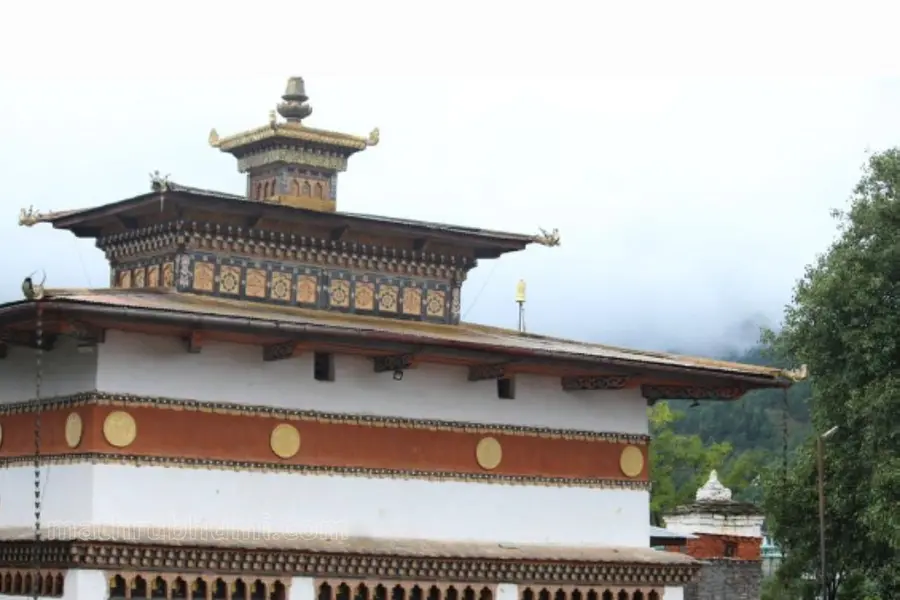
Did you know that there is a temple in the Sopsokha village of Punakha district in Bhutan where people worship the male reproductive organ or the Phallus and is considered the symbol of prosperity and luck? The Chimi Lhakhang temple, also known as the 'Fertility' Temple, is a Buddhist monastery where childless couples come to pray for the blessing of a baby. The phallus is seen as the divine symbol and is worshipped by the people. It might sound unusual at first, but in this village, the symbol of the phallus is displayed everywhere -- at homes, outside walls, and even worn as charms. It's seen as a divine symbol, deeply respected by the locals. There is nothing offensive or embarrassing on this as the whole village worships the phallus. Though initially reluctant, I decided to write about this temple after learning the history and the deep respect people have for these traditions. Though it may feel a little uncomforting at the outset -- phalluses adorning homes or placed beside the deity inside the temple -- one understands how much it means to the local population once the beautiful story behind the temple and its rituals is narrated. The square-shaped temple itself is not very big, but it is brimming with legend and significance. People from all over the world visit Chimi Lhakhang, believing they may be blessed with a child after their visit. The sight of the phallus is incredibly common in Bhutan. The locals embrace it completely. The history of the 'Fertility' Temple is intertwined with Drukpa Kunley, a Buddhist monk known for his unconventional ways of teaching.
People spinning these wheels is a common site. The prayer wheel is a mechanical device with a hollow cylinder and a rod that runs through its height. Inside the rod is a tightly rolled-up scroll of mantras. Spinning the prayer wheel is equivalent to chanting mantras. The demon of Dochula is said to be trapped inside a stupa outside the Chimi Lhakhang. Inside the beautifully decorated altar room, you will find the statue of Guru Padmasambhava, along with a statue of Drukpa Kunley, also known as the 'Fertility Saint'. His famous penis-shaped weapon, made of wood and which has a silver handle, is also kept here. This phallus is used by monks to bless pilgrims, especially women hoping to conceive, by tapping them on the head. Many childless couples visit the small, humble Chimi Lhakhang temple to pray for a baby. As part of the temple ritual, women walk around the temple three times holding a large phallus symbol, while the spouses must hide behind the peepul tree and not look at their wives until they finishe the ritual. Later, the couple receives blessing from the monks. It is also said that many couples who get the blessings return to the temple later for the child's naming ceremony. Devotees also light butter lamps and pray in the temple for positive energy.
Published: 17 Oct 2024, 09:35 am IST
ABOUT THE AUTHOR
Related Topics
Disclaimer: Kindly avoid objectionable, derogatory, unlawful and lewd comments, while responding to reports. Such comments are punishable under cyber laws. Please keep away from personal attacks. The opinions expressed here are the personal opinions of readers and not that of Mathrubhumi.