
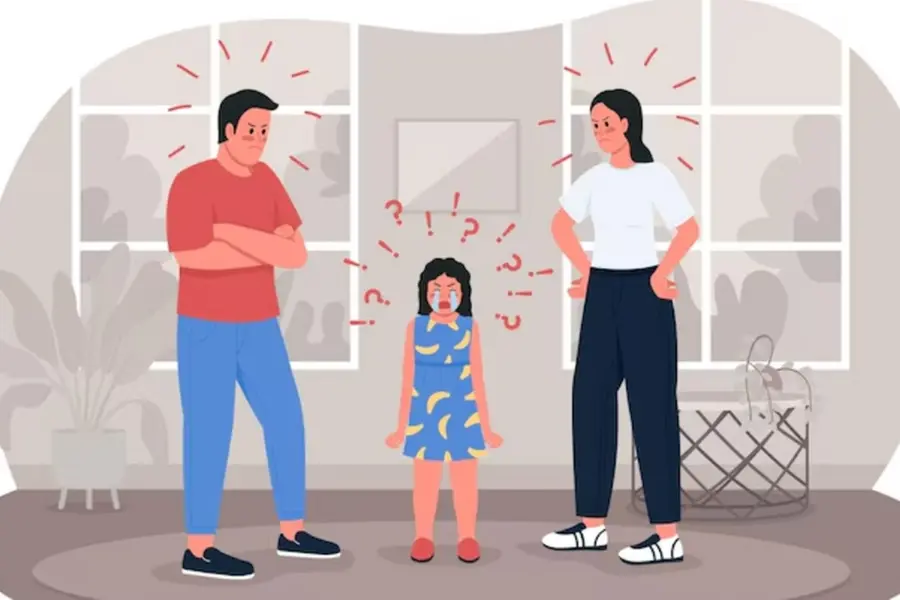
Toxic parents, whether emotionally manipulative, violent, dismissive, or overly controlling, can leave behind lasting damage to a child’s mental and emotional well-being.
According to Psychiatrisst “Children raised by toxic parents are often exposed to constant emotional, psychological or physical abuse. This leads to chronic anxiety, depression, low self-esteem, and even PTSD, especially as they enter adolescence.”
Let’s break this down to understand how harmful parenting affects children, often well into their adult lives.
What is toxic parenting?
Toxic parenting refers to harmful behaviours by parents that hurt a child emotionally, mentally or physically. These can include:
- Verbal abuse: Constant criticism, insults or belittling
- Emotional manipulation: Guilt-tripping or gaslighting the child
- Neglect or dismissal: Ignoring the child’s needs or feelings
- Physical violence: Hitting, pushing, or any form of physical harm
- Over-control: Not allowing the child to make their own choices
Sometimes, parents may not realise how their behaviour is affecting the child — but the impact can be serious and long-lasting.
Major effects of toxic parenting
1. Mental health struggles
Children may develop chronic anxiety, depression, low self-worth, and even suicidal thoughts. Those exposed to repeated trauma can also experience symptoms of Post-Traumatic Stress Disorder (PTSD).
2. Difficulty in relationships
Toxic parenting can make it hard for a child to trust others. As adults, they may struggle to form healthy relationships, either becoming overly dependent or completely withdrawn.
3. Academic issues
The emotional burden often shows up in school. Children may lack focus, skip classes, avoid teachers, or underperform due to lack of motivation and attention.
4. Long-term personal impact
The long-term consequences may include:
- Trouble holding jobs or staying motivated
- Fear of failure and low resilience
- Problems in marriage and personal relationships
- Sleep disorders and constant self-doubt
Types of toxic parents
Understanding the kind of toxic behaviour is key to recognising and addressing the problem. Some common types include:
- Dismissive: Ignore or undermine the child’s feelings.
- Narcissistic: Make everything about themselves and seek constant admiration.
- Helicopter: Over-monitor and control the child’s every move.
- Permissive: Avoid setting rules or structure, leading to confusion and instability.
How to heal from toxic parenting
Doctors offers some ways to begin healing from the effects of toxic parenting:
- Therapy: Especially Cognitive Behavioural Therapy (CBT), which helps reframe negative thoughts
- Support groups: Sharing experiences can reduce isolation and offer validation
- Mindfulness and meditation: Can reduce anxiety and improve emotional balance
- Self-care: Journaling, creative hobbies, exercise, and restful sleep can build self-worth and resilience
- Setting boundaries: Learning to say no and protect your emotional space is crucial when dealing with toxic parents
Breaking free from the effects of toxic parenting is not easy, but it is possible. Recognising the signs, seeking help, and rebuilding your emotional health can lead to a better, more fulfilling life. You are not alone, and most importantly — you did not deserve the harm.
(Disclaimer: This article is for informational purposes only and is not a substitute for professional medical or psychological advice, diagnosis, or treatment. If you or someone you know is struggling with the effects of childhood trauma or abuse, please consult a qualified mental health professional.
Published: 11 Apr 2025, 01:01 pm IST
Related Topics
Disclaimer: Kindly avoid objectionable, derogatory, unlawful and lewd comments, while responding to reports. Such comments are punishable under cyber laws. Please keep away from personal attacks. The opinions expressed here are the personal opinions of readers and not that of Mathrubhumi.
