
Late nights on weekends, early mornings on weekdays—sound familiar? That weekend sleep-in might feel like freedom, but it could actually be social jetlag
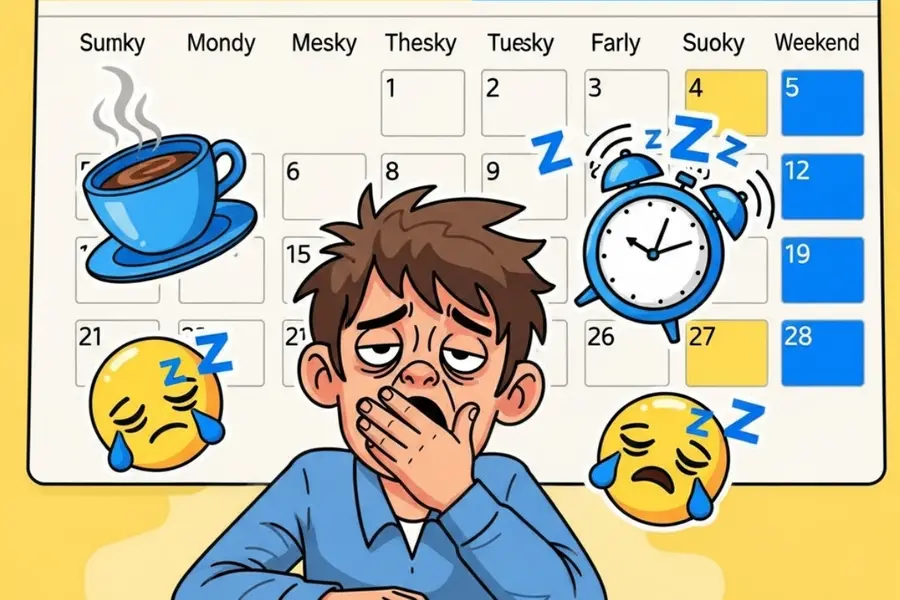
Ever stayed up binge-watching your favourite series on a Saturday night, only to struggle waking up at 7 a.m. on Monday? If that sounds familiar, you’re not alone—and your body is quietly revolting.
That weekend sleep-in might feel like freedom, but it could actually be social jetlag, a mismatch between your natural body clock and your weekday schedule. Over time, these mini “time-zone shifts” can leave you tired, moody, and struggling to focus—all before your first cup of coffee.
Also Read

What is social jetlag?
Social jetlag happens when your body’s natural circadian rhythm—the internal 24-hour clock that governs sleep, hormone release, digestion, and energy—gets out of sync with your social schedule. Early wake-ups for work or school, combined with late weekend nights, can feel like a mini “time-zone shift” every week, leaving you fatigued and groggy.
Why it matters
Even a 2–3 hour shift between weekday and weekend sleep can disrupt metabolism, appetite regulation, hormone balance, and mood. Studies link chronic social jetlag to higher risks of obesity, diabetes, cardiovascular issues, and weakened immunity. Essentially, your body is constantly playing catch-up.
Signs you’re suffering from social jetlag
- Hitting snooze multiple times on Monday mornings
- Feeling groggy or unfocused at work or school
- Sleeping much later on weekends than weekdays
- Relying heavily on caffeine or sugar to stay awake
- Mood swings or irritability early in the week
The weekend trap
Weekends are meant to feel like a mini-vacation—but late-night parties, streaming binges, and endless scrolling push sleep later than your internal clock prefers. This creates “sleep debt,” making it harder to function efficiently during the workweek.
How social jetlag affects your body
- Hormones and metabolism: Disrupted circadian rhythm affects insulin, cortisol, and appetite-regulating hormones.
- Immune system: Irregular sleep reduces your body’s ability to fight infections and repair cells.
- Mental wellbeing: Fatigue, poor focus, irritability, and even depression can stem from misaligned sleep cycles.
Tips to reset your internal clock
- Keep a consistent sleep schedule: Wake up and go to bed at roughly the same time daily.
- Use light strategically: Bright natural light in the morning helps reset your circadian rhythm; dim lights and avoid screens before bedtime.
- Gradual weekend shifts: If you stay up late, limit the delay to 30–60 minutes.
- Mind your naps: Short power naps help, but long or late-day naps can worsen misalignment.
- Lifestyle support: Avoid caffeine, alcohol, and heavy meals at night; exercise during the day; and maintain a calming bedtime routine.
The takeaway
Social jetlag isn’t just about feeling tired—it’s a lifestyle trap that affects your metabolism, immunity, productivity, and mood. Respecting your internal clock with consistent sleep and healthy habits can dramatically improve energy, focus, and long-term health.
Fun relatable analogy:
Think of your body like a smartphone on a charger. If you keep unplugging it, draining the battery, and plugging it back in at random times, it won’t perform optimally. Social jetlag is basically doing that to your body every week—time to recharge wisely.
(Disclaimer: This article is for informational and educational purposes only and is not a substitute for professional medical advice. If you are experiencing persistent sleep issues, fatigue, or health concerns, please consult a qualified healthcare provider before making changes to your sleep routine or lifestyle.)
Published: 11 Jan 2026, 04:47 pm IST
Related Topics
Disclaimer: Kindly avoid objectionable, derogatory, unlawful and lewd comments, while responding to reports. Such comments are punishable under cyber laws. Please keep away from personal attacks. The opinions expressed here are the personal opinions of readers and not that of Mathrubhumi.