
As the new academic year begins, children step into classrooms full of promise—and for many, a fair bit of nervousness
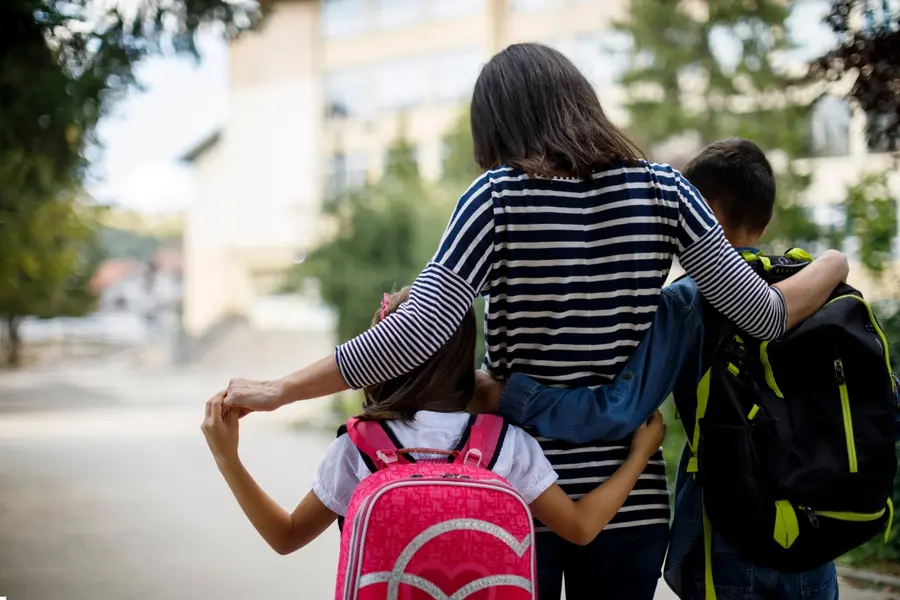
As the new academic year dawns, it brings the sound of school bells, the rustle of crisp uniforms, shiny backpacks, colourful umbrellas, a few tears—and lots of laughter.
For parents, especially those sending their children to school for the first time, the moment is filled with a blend of excitement and concern. Will my child be okay? Will they eat properly? Will they cry?
Teachers, too, play a key role in this transition. With classrooms welcoming both eager and anxious children, it becomes essential to create a warm, welcoming environment. Here are a few thoughtful strategies for both parents and teachers to help children ease into the school year:
1. Build a positive image of school
Talk about school as a joyful and friendly place. Say things like, “You’ll meet new friends and have fun!” Avoid negative language about school. Visit the school together to show them the playground or classroom. A small token, like a chocolate or pen, can make the first day feel special. Teachers should also reach out to parents to create a partnership from day one.
2. Understand and respect separation anxiety
It’s common for children to resist school in the early days. Don’t worry if your child cries or hesitates. Encourage them gently with stories about fun activities. Reassure them that you’ll return after school. Avoid comparisons with other children.
3. Teachers: Prepare ahead for smooth connection
Knowing students’ names and a bit about them in advance helps teachers build quick rapport. The classroom tone matters—avoid harsh words or comparisons. Instead, highlight what children enjoy and encourage their small efforts.
4. Recognise every child’s uniqueness
Each child brings their own background—be it learning differences, trauma, or special needs. Offer sensitive care to those who may have faced difficult circumstances, such as abuse or family instability. Inclusive teaching begins with empathy.
5. Promote basic independence
Teach children to manage small tasks: asking to use the toilet, eating on their own, or speaking up if something’s wrong. These early skills build self-confidence and reduce fear. Be patient as children readjust to routine.
6. Keep communication open
Talk to your child daily about their school day. Listen to their joys and concerns without rushing to judge or fix everything. Serious issues like bullying or favouritism shouldn’t be ignored—parents should know when to intervene.
7. Encourage their natural interests
Your child doesn’t need to excel in every subject. Encourage their love for music, drawing, or storytelling. Not all children pick up reading and writing at the same pace—let them bloom in their own time. In class, small roles like helping with the blackboard can boost morale.
8. Reintroduce discipline gently
Gradually help your child return to a school-friendly routine—early to bed, limited screen time, and light revision. Ease them back into academic rhythm without pressure.
9. Be inclusive and mindful in conversation
Teachers should frame questions to avoid alienating any child. Instead of “Did you go on a trip?” try “What did you do during the holidays?” or “What would your dream holiday be?” Help each child feel seen and included.
10. Create a nurturing and inclusive space
New students may feel lost or scared. Use buddy systems to help them settle in. Where language is a barrier, pair students who speak the same language and encourage a spirit of inclusion.
(Prepared by: Rose Maria Vincent
Acknowledgement: Dr. Ganga Kailas – Consultant Psychologist, Alappuzha
Deepika Ragesh – Psycho-social School Counsellor, Parambil Higher Secondary School, Kozhikode)
Published: 30 May 2025, 06:58 pm IST
Related Topics
Disclaimer: Kindly avoid objectionable, derogatory, unlawful and lewd comments, while responding to reports. Such comments are punishable under cyber laws. Please keep away from personal attacks. The opinions expressed here are the personal opinions of readers and not that of Mathrubhumi.
