
Observed during the Shravan month, Nag Panchami is a Hindu festival that honours snakes as symbols of protection, fertility, and divine power
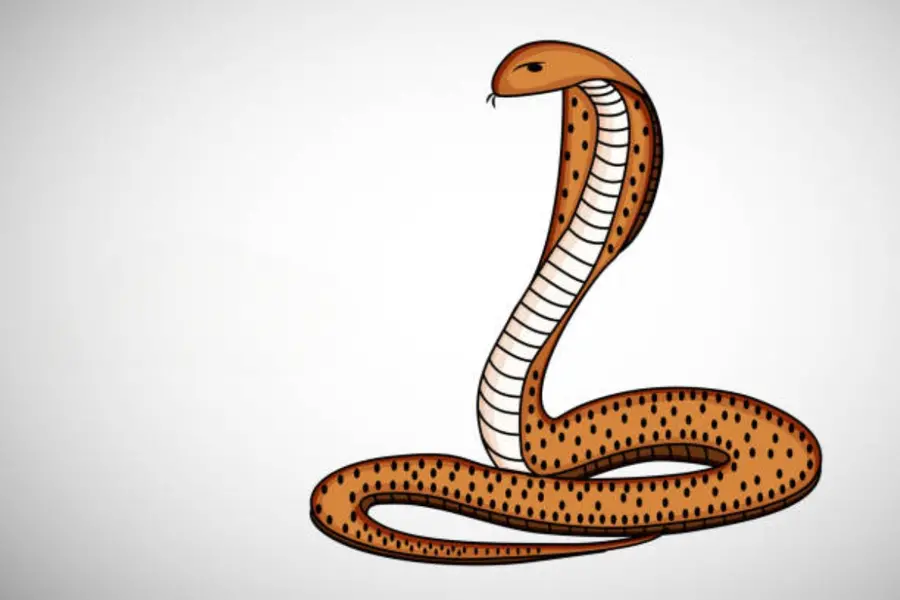
Nag Panchami is a traditional Hindu festival dedicated to the worship of snakes or ‘Nag Devtas’, observed across India during the holy month of Shravan.
Celebrated with rituals, offerings, and prayers, the day is rooted in mythology and symbolic of fertility, protection, and reverence for nature.
The festival is celebrated throughout Nepal, India, and other countries where Hindu, Jain, and Buddhist communities live.
What is Nag Panchami?
Nag Panchami is observed on the fifth day (Panchami) of the bright half of the lunar month of Shravan (July–August). On this day, snakes—especially cobras—are worshipped as divine beings representing power, fertility, and protection. It is believed that offering milk and prayers to snakes helps appease serpent deities and protect families from snakebites, evil, and misfortune.
How is Nag Panchami celebrated?
The celebrations vary regionally but commonly include:
- Offering milk, turmeric, rice, and flowers at snake pits, ant hills, or temples.
- Drawing or idolising snakes on walls or using clay or silver models to represent Nag Devta at home.
- Fasting and prayer rituals, especially by women, to ensure family wellbeing.
- In Maharashtra and Karnataka, folk dances, songs, and processions accompany the rituals.
Live snakes are sometimes brought by snake charmers to temple premises (though this practice is increasingly discouraged due to wildlife protection laws).
Devotees recite mantras and slokas dedicated to snakes, such as “Om Namah Shivaya” and “Nag Gayatri Mantra”.
The story and mythology behind Nag Panchami
Several Hindu legends are associated with the festival:
- The Mahabharata Legend: According to the epic, King Janamejaya, son of Parikshit, organised a massive snake sacrifice (Sarpa Satra) to avenge his father’s death from a snake bite. Thousands of snakes perished in the ritual, until Astika, a learned sage born of a Naga mother, intervened and persuaded the king to stop the massacre. The day this peace was restored is observed as Nag Panchami.
- The Tale of Krishna: In another story from Krishna’s childhood, the young god subdued the venomous serpent Kaliya, who was poisoning the Yamuna river. Krishna danced on Kaliya’s hoods, forcing him to surrender and leave the river. This event is commemorated during Nag Panchami.
- Shiva and the Nagas: Snakes are closely associated with Lord Shiva, who wears the serpent Vasuki around his neck. Worship of snakes during Nag Panchami is also seen as an offering to Shiva himself.
Nag Panchami is ultimately a celebration of harmony between humans and nature, paying homage to creatures that are often feared but hold deep spiritual symbolism. The festival also highlights ancient traditions of respecting all forms of life and seeking divine protection through prayer and ritual.
Published: 29 Jul 2025, 12:24 pm IST
Related Topics
Disclaimer: Kindly avoid objectionable, derogatory, unlawful and lewd comments, while responding to reports. Such comments are punishable under cyber laws. Please keep away from personal attacks. The opinions expressed here are the personal opinions of readers and not that of Mathrubhumi.
