
On International Animation Day, fans celebrate not just the visuals but the meaningful lessons hidden in their favourite anime meals.
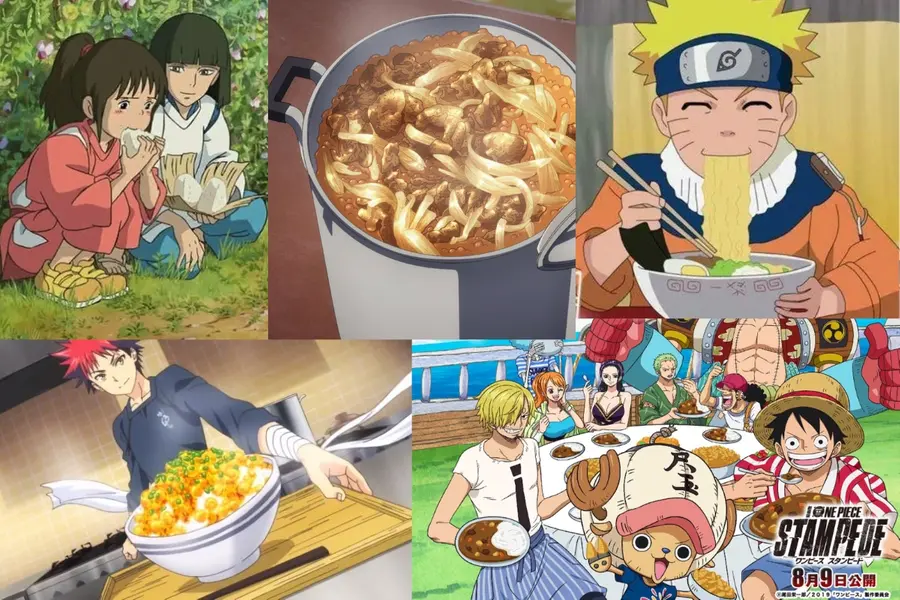
Japanese cuisine has moved from being a luxury in India to becoming part of everyday dining experiences. Anime has played a significant role in this, popularising dishes such as onigiri in Spirited Away, ramen in Naruto, and curry rice in One Piece. Beyond flavour, these meals often carry important life lessons.
In Food Wars!, Soma Yukihira transforms a simple rice bowl with creativity, showing how ordinary things can become extraordinary. In Naruto, the protagonist’s bowl of ramen at Ichiraku Ramen symbolises comfort, acceptance, and the impact of small acts of kindness. In Spirited Away, Chihiro learns gratitude and care through a simple onigiri, contrasting her parents’ greedy indulgence that leads to transformation. In One Piece, Sanji’s curry rice demonstrates empathy and compassion, reflecting the importance of helping others irrespective of circumstances.
Animation itself has evolved from early optical illusions and hand-drawn frames to CGI, enabling creators to tell stories with endless creative freedom. From Disney classics to Japanese anime, animation combines artistry, technology, and storytelling to engage audiences worldwide.
Also read: Sydney Sweeney breaks silence on Bond girl rumours; recalls Botox comment at 16
Anime has become a global phenomenon, not only for its engaging characters but also for its depiction of food as a narrative device. Shows like Shokugeki no Soma dramatise cooking to explore identity and creativity, while Naruto uses meals to showcase empathy and community. Studio Ghibli’s Spirited Away emphasises mindfulness and gratitude through food, and One Piece teaches lessons of compassion and ethical conduct.
Animation, historically, began with devices like the zoetrope and evolved into hand-drawn films such as Gertie the Dinosaur. Walt Disney advanced the medium with synchronised sound in Steamboat Willie and the world’s first full-length animated feature, Snow White and the Seven Dwarfs. Japanese anime later brought its unique storytelling, with modern CGI studios like Pixar further expanding the possibilities.
Today, animation spans films, TV, video games, advertisements, and educational content. It allows limitless creativity while requiring meticulous work from writers, storyboard artists, animators, and sound designers. It is both a light-hearted and serious art form, blending technology, emotion, and imagination to create stories that resonate with audiences of all ages.
Published: 28 Oct 2025, 02:43 pm IST
Related Topics
Disclaimer: Kindly avoid objectionable, derogatory, unlawful and lewd comments, while responding to reports. Such comments are punishable under cyber laws. Please keep away from personal attacks. The opinions expressed here are the personal opinions of readers and not that of Mathrubhumi.
