
Tetsuya Chiba, the acclaimed Japanese manga artist behind the iconic boxing series 'Ashita no Joe', has died at 87.
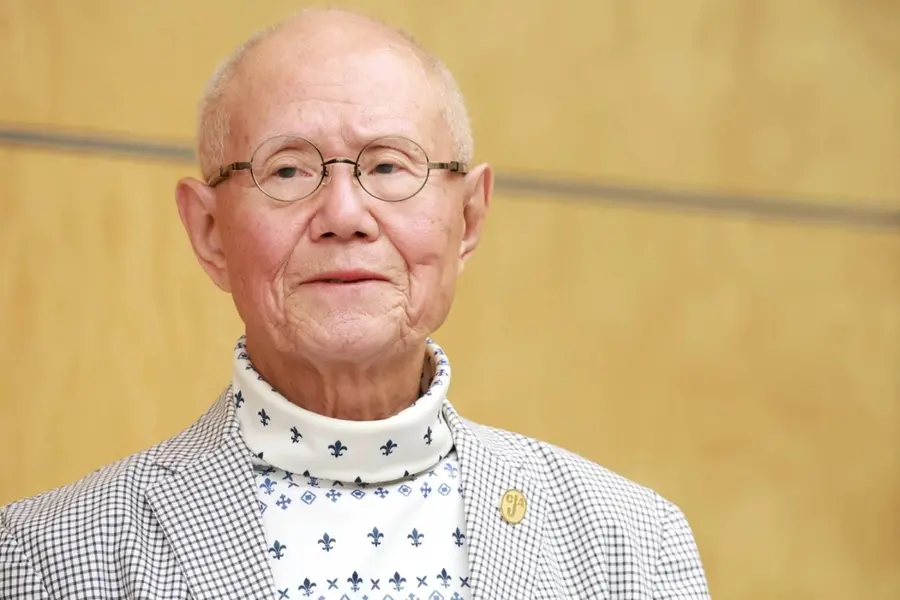
Tetsuya Chiba, the renowned Japanese manga artist best known for illustrating the popular boxing series 'Ashita no Joe', has died at the age of 87. His death was reported on Tuesday, October 27, citing a source familiar with the matter. Chiba was among Japan's prominent manga creators, known particularly for his contributions to sports-themed comics.
Chiba's career began in the 1950s, and he went on to work on several manga series, including the sumo wrestling story 'Notari Matsutaro'. His contributions to Japanese comics were recognised with major national honours, including the prestigious Order of Culture in 2024, when he became the first manga artist to receive the award.
Who was Tetsuya Chiba?
Born in Tokyo in 1939, Chiba spent part of his childhood in Manchuria, a region now located in northeastern China. His family had moved there during Japan's occupation of the territory before returning to Japan following the country's surrender in World War II.
Chiba made his manga debut in 1956, initially creating comics for girls. Among his early works was 'Butokai no Shojo', which appeared in a magazine in 1958.
He later shifted his focus to manga intended for boys and gained popularity through stories based on sports. His work in the genre included boxing and sumo wrestling, with 'Ashita no Joe' becoming his most widely recognised series.
'Ashita no Joe': The boxing manga that brought him fame
Chiba rose to prominence through 'Ashita no Joe', a boxing manga written by Asao Takamori and illustrated by him. The series began appearing in Weekly Shonen Magazine in January 1968.
The story revolves around Joe Yabuki, an orphan who enters the world of professional boxing. Set against the backdrop of postwar Japan, the manga follows his journey in the sport and the challenges he encounters along the way.
Also known as 'Tomorrow's Joe', the series was later translated into English under the title 'Ashita no Joe: Fighting for Tomorrow'.
The manga became hugely popular in Japan, with readers developing a strong attachment to its characters. Its popularity was such that fans even organised a mock funeral for one of Joe Yabuki's fictional rivals.
The series also contributed to the growing popularity of sports manga in Japan.
Other notable works and contemporaries
Beyond 'Ashita no Joe', Chiba created 'Notari Matsutaro', a manga centred on sumo wrestling.
His career unfolded during a period that also saw the emergence of several prominent Japanese manga artists. Among his contemporaries were Takao Saito, best known for 'Golgo 13', and Leiji Matsumoto, the creator of 'Galaxy Express 999'.
First manga artist to receive Japan's Order of Culture
Chiba received significant recognition for his contributions to Japanese comics in the later years of his career.
In 2022, he became one of the first manga artists to be selected for membership of the Japan Art Academy. The institution recognised his contribution to sports-themed manga.
Another major honour followed in 2024, when Chiba became the first manga artist to receive Japan's Order of Culture, one of the country's highest cultural distinctions.
Following the recognition, Chiba expressed pride in receiving an honour that brought attention to the work of manga artists. He also welcomed its significance in helping manga gain greater recognition as a respected artistic genre.
Chiba's work on 'Ashita no Joe' remains an important part of his contribution to Japanese manga, particularly the development and popularity of sports-themed comics.
Published: 27 Oct 2026, 10:13 am IST
ABOUT THE AUTHOR

Related Topics
Disclaimer: Kindly avoid objectionable, derogatory, unlawful and lewd comments, while responding to reports. Such comments are punishable under cyber laws. Please keep away from personal attacks. The opinions expressed here are the personal opinions of readers and not that of Mathrubhumi.