

Ahead of World Heart Day on September 29, doctors warn that obesity, diabetes, and smoking are fueling India’s rising heart disease epidemic. Experts stress that while the risks are deadly, most are reversible—small lifestyle changes today can protect the heart for years to come.
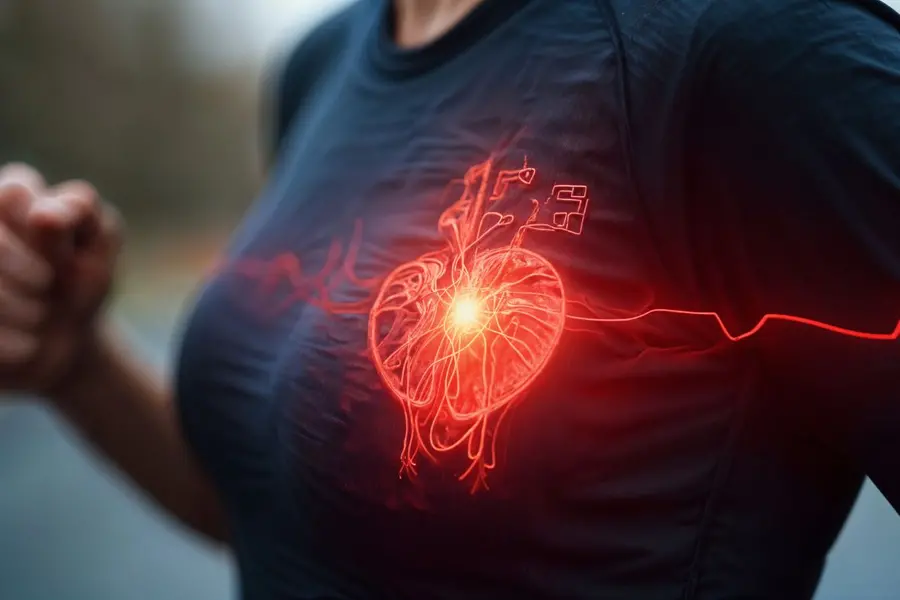
Kozhikode: World Heart Day, on September 29, is an opportunity to ignite global conversations and engagement, using powerful stories to raise awareness about heart health. This year's official theme for World Heart Day is "Don't Miss a Beat", and rightly so, because every beat is important.
Heart health is crucial in today's world, given recent studies showing cardiovascular disease (CVD) continuing to be a growing public health threat in India, owing to modifiable risk factors such as obesity, high blood sugar (diabetes), and tobacco use.
According to the findings of the Global Burden of Disease (GBD) study group, globally, there were an estimated 422 million prevalent cases of CVD in 2015, the largest contributor being the South Asian region.
As of the year 2017, CVD was responsible for 26.6% (25.3%–27.4%) of total deaths and 13.6% (12.5%–14.6%) of total DALYs in India, compared with 15.2% (13.7–16.2) and 6.9% (6.3–7.4), respectively, in 1990.
The India State-level disease burden study of the GBD study group reports that there has been a 2.3-fold increase in the prevalence of both ischemic heart disease (IHD) and stroke in the country between 1990 and 2016.
The study also reports a greater than two-fold increase in the number of prevalent cases of CVDs, from 25.7 million (95% CI 25.1–26.0) in 1990 to 54.5 million (53.7–55.3) in 2016.
In light of this data, cardiologists Dr MN Bhat of KMC Hospital, Mangalore, and Dr Chirag D, Consultant – Interventional Cardiology at Aster Whitefield, highlight how certain risk factors interact to increase the risk of heart disease.
He said that smoking (or chewing Tobacco), chemicals in tobacco /smoke, like nicotine and carbon monoxide, damage the endothelium(the inner lining of arteries )of the coronary arteries. "Smoking makes platelets in the blood more ‘sticky,’ significantly increasing the risk of blood clots forming. Carbon monoxide in smoke reduces the amount of oxygen delivered to the heart muscle. Nicotine causes blood vessels to constrict, which increases blood pressure,” he added.
Dr Chirag D also magnified how heart disease is not something that happens overnight; it happens quietly and gradually over many years, with lifestyle being one of the largest contributors.
"The best part? All the above risk factors can be changed. The vast majority of them are reversible, too. A little weight loss and better control of blood sugar, quitting smoking, and getting active can go a long way to cut heart risk in only a few months. Each of us makes literally thousands of choices a day, and the small, consistent choices we make today are both the cheapest and most effective medicine you can give to your heart going forward,” Dr Chirag D added.
How These Risks Interact
- Obesity often leads to a higher burden on the heart because an obese body needs more oxygen and nutrients; the heart must pump harder. It's closely tied to high cholesterol, hypertension, and other risk factors.
- Diabetes, especially when poorly controlled, causes persistently high blood sugar which damages blood vessel linings, promotes inflammation, and alters cholesterol in harmful ways.
- Smoking both damages blood vessels directly and fosters plaque buildup, and reduces oxygen delivery to heart muscle; it also increases clot risk.
- When present together, these risk factors don’t just add up: they amplify each other. For instance, obesity increases the risk of diabetes; smoking worsens cholesterol profiles; diabetes and obesity both interfere with blood vessel health, making even small exposures (e.g., to smoke) more harmful.
Why Prevention Matters (and What Can Be Done)
- Quitting smoking yields near-immediate benefits to the heart.
- Modest weight loss via diet and exercise can improve blood pressure, cholesterol, and glucose control.
- Regular monitoring and treatment of diabetes are essential to reduce long-term damage.
Given the severity and rising trends, public health initiatives—awareness campaigns, tobacco control, promoting healthy diets and physical activity—are crucial. As Dr Chirag D states, lifestyle risk factors “can be changed - The vast majority of them are reversible, too.”
Published: 22 Sept 2025, 07:36 am IST
ABOUT THE AUTHOR
Related Topics
Disclaimer: Kindly avoid objectionable, derogatory, unlawful and lewd comments, while responding to reports. Such comments are punishable under cyber laws. Please keep away from personal attacks. The opinions expressed here are the personal opinions of readers and not that of Mathrubhumi.