
Essential HIV & AIDS facts for World AIDS Day 2025. Learn the truth, combat stigma, and support informed action. Get the facts now!
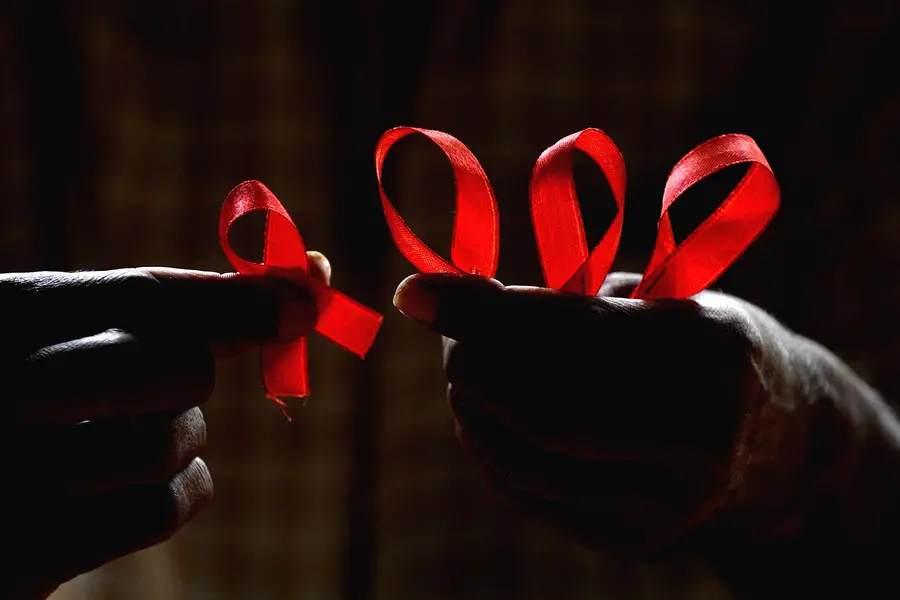
Every year on World AIDS Day, observed on December 1, people across the globe come together to raise awareness about HIV and AIDS, support those living with the virus, and fight stigma. World AIDS Day 2025 is especially important, with this year’s AIDS Day theme 2025: “Overcoming disruption, transforming the AIDS response.” The theme stresses the need to strengthen health systems, tackle misinformation, and ensure consistent access to treatment and prevention.
Unfortunately, harmful myths and misconceptions continue to create fear and discrimination. Here’s a simple, fact-checked breakdown of what HIV and AIDS really are and why awareness is essential.
Myth 1: “HIV and AIDS are the same thing”
Fact: They are not.
HIV (Human Immunodeficiency Virus) attacks the immune system and weakens the body's ability to fight infections.
AIDS (Acquired Immunodeficiency Syndrome) is the advanced stage of HIV infection that occurs if HIV remains untreated for a long time.
Myth 2: “You can get HIV by touching someone With HIV”
Fact: HIV cannot spread through casual contact.
You cannot get HIV by: Shaking hands, hugging, sharing food or drinks, using the same bathroom, touching surfaces like doorknobs.
HIV is not airborne and not spread through saliva. Transmission requires the exchange of specific bodily fluids and typically occurs through unprotected physical contact or shared contaminated needles.
Myth 3: “An HIV diagnosis means your life is over”
Fact: This belief is outdated.
In earlier decades, limited treatment options created a sense of hopelessness, but modern medicine has changed everything. Today, people living with HIV who follow proper treatment can live lives similar in length and quality to those without HIV. HIV is now managed as a chronic condition, much like diabetes or hypertension.
Fact 1. Prevention is effective and accessible
Two highly effective medications help reduce new HIV infections:
PrEP (Pre-Exposure Prophylaxis): Taken regularly by HIV-negative people to greatly reduce the risk of infection.
PEP (Post-Exposure Prophylaxis): A 28-day treatment started within 72 hours of potential exposure.
The fight to end AIDS is no longer just medical — it’s social. Stigma, misinformation, and fear continue to hinder progress. This World AIDS Day 2025, let’s commit to learning the facts, getting tested, supporting access to treatment, and spreading awareness rooted in science.
Stigma ends when knowledge begins.
Published: 01 Dec 2025, 09:21 am IST
Related Topics
Disclaimer: Kindly avoid objectionable, derogatory, unlawful and lewd comments, while responding to reports. Such comments are punishable under cyber laws. Please keep away from personal attacks. The opinions expressed here are the personal opinions of readers and not that of Mathrubhumi.
