
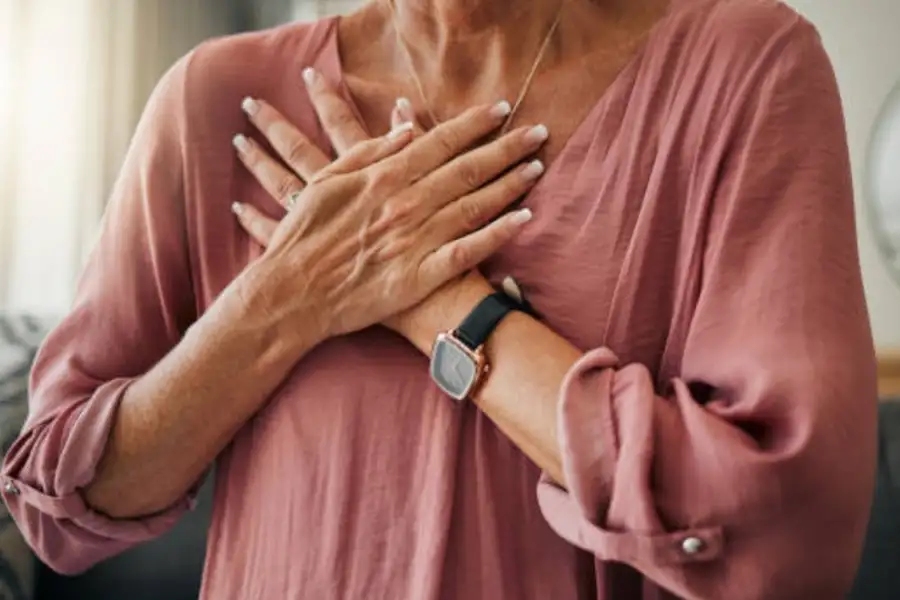
Heart disease is the one of the most common cause of death for both men and women, but symptoms in women are often less recognisable.
While chest pain remains the most reported sign in both sexes, women are more likely to experience additional or different symptoms such as neck, jaw, or upper back pain, shortness of breath, nausea, fatigue, dizziness, or even heartburn. These signs may be mistaken for other health issues, especially when they occur at rest or during sleep.
Women are also more likely than men to experience emotional stress as a trigger for heart symptoms and may suffer heart attacks without severe arterial blockages—a condition known as nonobstructive coronary artery disease. Another often overlooked issue is small vessel heart disease, where the smaller arteries supplying the heart are affected.
Risk factors like smoking, lack of physical activity, diabetes, depression, and menopause-related hormonal changes can heighten cardiovascular risks in women. Pregnancy complications and certain autoimmune disorders can also contribute.
Key points:
- Heart attack symptoms in women can differ from men, often involving fatigue, nausea, or jaw/back pain.
- Women are at higher risk for silent or atypical heart attacks.
- Nonobstructive coronary disease and small vessel disease are more common in women.
- Emotional stress, diabetes, menopause, and pregnancy complications increase risk.
Women are less likely to receive standard treatments or be referred for rehabilitation. - Healthy lifestyle choices—no smoking, regular exercise, good sleep, stress management—are crucial to prevention.
Preventive steps include not smoking, eating a balanced diet, regular physical activity, maintaining a healthy weight, managing stress, getting enough sleep, and controlling blood pressure, cholesterol, and blood sugar. However, women are often less likely than men to receive guideline-recommended treatments, including aspirin, statins, and referrals to cardiac rehabilitation.
Recognising the unique presentation of heart disease in women and advocating for proper medical care is essential. Early detection, lifestyle changes, and informed choices can significantly reduce the risk and impact of heart disease in women.
(Disclaimer: This article is for informational purposes only and is not a substitute for professional medical advice, diagnosis, or treatment. Always consult your doctor or a qualified healthcare provider with any questions you may have regarding a medical condition.)
Published: 05 Apr 2025, 01:09 pm IST


Related Topics
Disclaimer: Kindly avoid objectionable, derogatory, unlawful and lewd comments, while responding to reports. Such comments are punishable under cyber laws. Please keep away from personal attacks. The opinions expressed here are the personal opinions of readers and not that of Mathrubhumi.
