
Researchers found that mechanical forces can alter gene activity and reduce tumour formation in heart tissue
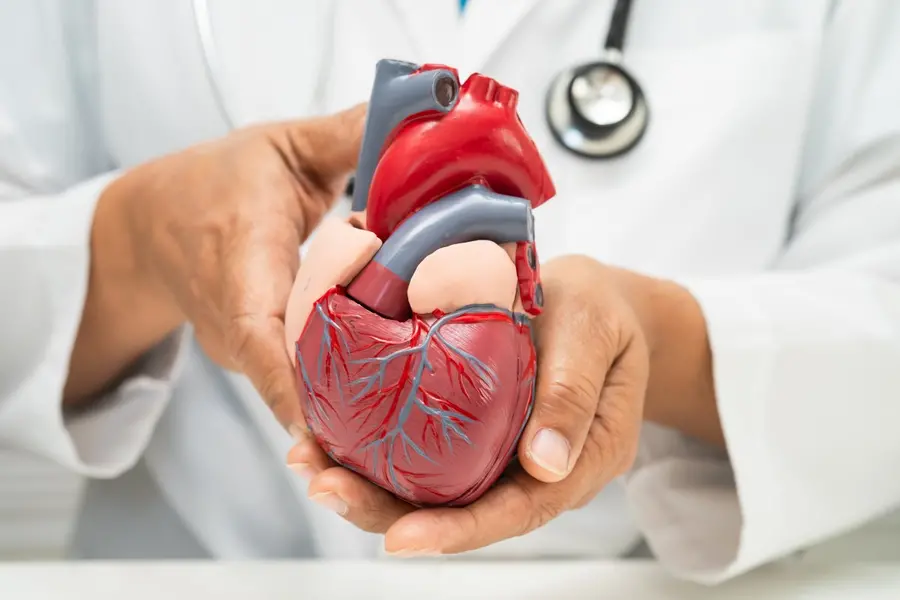
A new study suggests that the constant mechanical load created by the beating heart may play a role in suppressing the growth of cancer cells. This could help explain why cancer in the heart is extremely rare compared with other parts of the body.
Published in the journal Science, the research also points to how mechanical forces in the body could eventually be used to develop new cancer treatments.
Researchers said cancer rarely develops in or spreads to the heart, suggesting that something in the heart’s internal environment actively prevents tumour growth.
The study, carried out by scientists including those from the International Centre for Genetic Engineering and Biotechnology, highlights the intense physical demands placed on the heart. Since it continuously pumps blood against strong resistance, the constant strain may limit the ability of heart cells to multiply.
The team also noted that these same pressures could make it harder for cancer cells to grow within heart tissue, although the exact mechanism had not been clearly understood until now.
Lab model shows role of mechanical stress
To explore this further, researchers created a transplantation model where the heart’s workload was reduced.
They transplanted a donor heart into the neck of a compatible mouse, creating what they described as a “mechanically unloaded” heart. This organ still received blood flow but no longer experienced normal pumping stress.
Human cancer cells were then injected directly into the heart muscle. Scientists compared tumour growth in the unloaded heart with that in the mouse’s own naturally working heart.
Active heart found to suppress tumours
The results showed that mechanical load consistently reduced tumour growth across different cancer types. In contrast, when the heart was mechanically unloaded, cancer cells were able to grow more easily within the tissue.
The researchers said this strongly suggests that mechanical stress itself may be a key factor in stopping cancer development in the heart.
How mechanical forces affect cells
The study found that mechanical forces inside the heart can change how genes in cancer cells are regulated, affecting whether they can multiply.
A central role was identified for a protein called Nesprin-2, which helps transmit mechanical signals from the cell surface to the nucleus. This protein appears to sense the heart’s physical environment and then influence how DNA is packaged and read.
These changes affect chromatin structure and histone methylation, both of which control gene activity. As a result, genes linked to cancer cell growth become less active.
Key protein linked to cancer suppression
Researchers also discovered that when Nesprin-2 was silenced in cancer cells, the cells regained their ability to grow even in the mechanically active environment of the heart, leading to tumour formation.
According to the study, increased mechanical load enhances Nesprin-2 signalling, which then triggers changes in gene regulation. This ultimately leads to reduced cancer growth.
What this could mean for future treatments
Scientists believe these findings could open new possibilities in cancer research. Understanding how mechanical stimulation affects cells may help in developing future therapies that mimic or use physical forces to control tumour growth.
Published: 24 Apr 2026, 04:12 pm IST
Disclaimer: Kindly avoid objectionable, derogatory, unlawful and lewd comments, while responding to reports. Such comments are punishable under cyber laws. Please keep away from personal attacks. The opinions expressed here are the personal opinions of readers and not that of Mathrubhumi.
