
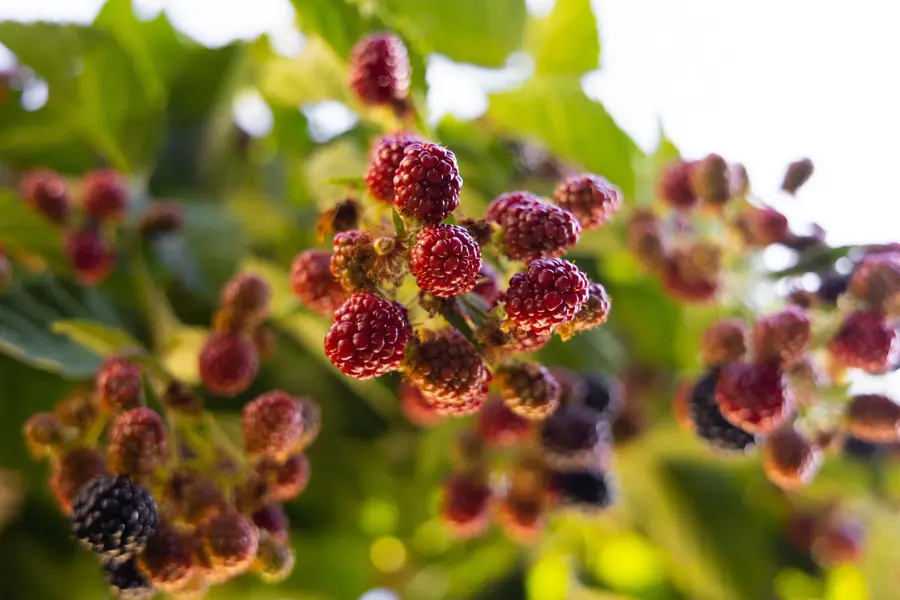
Mulberry, widely found across Kerala, is known for its rich medicinal properties. As the primary food source for silkworms, mulberry cultivation plays a crucial role in sericulture, earning it the nickname “silkworm plant.” Both the leaves and berries of the mulberry plant are valued for their unique health benefits.
Though mulberry cultivation originated in countries like South Asia and China, it has rapidly gained popularity as an agricultural practice in India.
Types of mulberry
Mulberry belongs to the Moraceae family. Although there are hundreds of mulberry varieties, they are mainly classified into three types based on their colour:
Morus alba (White Mulberry)
The Morus alba variety originated in Central Asia and is also known as Brazilian or Pakistani mulberry. Due to the large size of its leaves, this variety is widely used to feed silkworms. Owing to their sweetness, these mulberries are also grown in Kerala.
Morus rubra (Red Mulberry)
The Morus rubra variety, commonly known as red mulberry, originates from North America. Often found in wild areas, these are also referred to as organic mulberries. They are known for their high medicinal value and are widely used in the production of jams and wine.
Morus nigra (Black Mulberry)
Morus nigra, or black mulberry, originates from Southwest Asia and is rich in antioxidants.
Health benefits of mulberries
Mulberries are excellent for boosting immunity. Adding them to your daily diet can help with weight loss due to their low-calorie and high water content. Regular consumption of mulberries in moderation can reduce bad cholesterol, prevent heart-related diseases, improve digestion, and regulate blood sugar levels. All parts of the mulberry plant, including its leaves, fruits, and roots, have high medicinal properties.
Mulberries are grown throughout India, especially in states like Andhra Pradesh, Haryana, Himachal Pradesh, West Bengal, and Tamil Nadu. While mulberry plants can grow in various types of soil, they thrive best in soil that retains moisture.
In Kerala, mulberry cultivation is practised in regions such as Marayoor, Kanthalloor, and Vattavada in the Idukki district, as well as in Palakkad and Wayanad. The first mulberry cultivation in the state began in the Palakkad district.
Published: 15 May 2025, 09:18 pm IST
Related Topics
Disclaimer: Kindly avoid objectionable, derogatory, unlawful and lewd comments, while responding to reports. Such comments are punishable under cyber laws. Please keep away from personal attacks. The opinions expressed here are the personal opinions of readers and not that of Mathrubhumi.
