

As PCOS Awareness Month unfolds, women across India share deeply personal stories of pain, stigma, and resilience—highlighting the urgent need for empathy, awareness, and holistic care
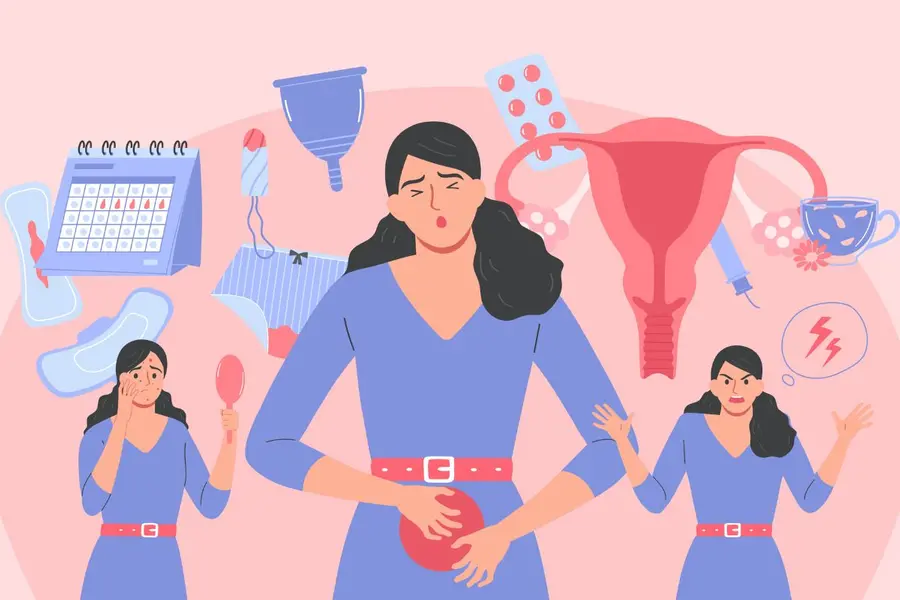
Kozhikode: September is globally observed as PCOS (Polycystic Ovary Syndrome) Awareness Month, 30 days solely dedicated to highlighting one of the most common endocrine and metabolic disorders affecting women and girls of reproductive age. Since 2017, the digital footprint of PCOS Awareness Month has steadily expanded worldwide, amplifying conversations around the condition.
PCOS is a complicated, often frustrating condition that affects women's health and is one of the most common hormonal disturbances affecting women of reproductive age. The condition affects an estimated 6-13% of women of reproductive age, and up to 70% of cases are undiagnosed.
Speaking to Mathrubhumi, Dr Vidyashri Kamath, Consultant - OBG, KMC Hospital, Dr B R Ambedkar Circle, Mangalore, said that PCOS can cause anxiety, depression, and a negative body image among survivors. “Some symptoms, such as infertility, obesity, and unwanted hair growth, can lead to social stigma. This can affect other life areas such as family, relationships, work, and involvement in the community,” Dr Kamath added.
This PCOS awareness month, Mathrubhumi spoke to a few women who have PCOS to know their journeys and understand their struggles better.
Warda Zain, journalist, 24: I was only 15 when PCOS first entered my life—not as a word from a textbook, but as a diagnosis after a blood transfusion that I needed just to survive heavy, endless bleeding. Since then, it’s been ten long years of living in a body that often feels like it’s working against me. Some days I’ve been too weak to move from bed, other days I’ve battled weight gain, cravings, and the quiet frustration of doing everything “right” yet still suffering. The hardest part is knowing that PCOS looks different for every woman—our struggles are not the same—and mine is one I can never fully share because so much of it is deeply personal, carried in silence. What stings even more is when all of this is dismissed with a careless “just lose weight and you’ll be fine,” as if a decade of pain, pills, and surgeries could be simplified into a single line.
Kirthika S, SaaS marketer, 34: Kirthika had a special message for gynaecologists after living with PCOS for too long a time. She said that it is high time that gynecologists and medical professionals be more compassionate. “When I was diagnosed, I was told very gruffly, it’ll be hard for you to conceive. She prescribed birth control pills and asked me to come back when I wanted a baby. Note the usage of the word “when”. Like it’s an eventuality. Women’s wellness seems more focused on fertility than their health and well-being,” Kirthika said. She also said that doctors rarely explain what the body is dealing with exactly when they say one has PCOS. “They don’t talk about the root causes. They recommend reducing stress and weight. However, for PCOS, the generic fitness routine doesn’t work. It’s subjective to the type of PCOS and the person’s body. Just prescribing BCP, asking the person to lose weight, and come back when they want to get pregnant is the default method, and it is dehumanising to the core,” she added.
Namrata Sharma, media professional, 24: For someone who has been recently diagnosed with PCOS and isn’t on any medication yet, Sharma said she has been focusing on improving her lifestyle and eating home-cooked healthy food. However, shedding light on physical transformations, she said, “I have just gained fat around my belly and am facing facial hair growth. I don’t want to be mean, but sometimes, unintentionally, my friends do call me fat. I know they don’t realise that it might hurt my sentiments, but it does. And, now, I have become extremely conscious of what I wear and how I look,” Sharma added.
Navamita Chandra, senior editor, 30: Magnifying the degree of physical changes one goes through after being detected and fighting PCOS over a considerable period of time, Chandra said that she has lost a lot of hair and gained a considerable amount of weight, altering her body drastically. “With each passing day, I realise how the hormonal shifts affect my mood, giving way to severe depression and anxiety. Working or, for that matter, doing anything as small as lifting one’s pillow when on periods is agonizing. “In my last workplace, I could only avail 12 leaves a year. I was lucky cause I worked in the creative department and had the luxury of working from home or leaving the office early. However, women from the accounts department who had PCOS weren’t given that luxury. They had to work from the office despite battling severe cramps. I used to carry chamomile tea for them, but the frustration got on to me so bad that I quit the place in seven months,” Chandra said.
Tista Das, Art History student, Kala Bhavana, 19: The teenager was diagnosed with PCOS early this year. “It started with an intestinal infection, following which I went for a USG that revealed countless cysts in my ovaries. Since then, my menstrual cycle has become intensely problematic. Periods have always been painful for me, and my recent PCOS diagnosis made things worse with unbearable cramps, clots, bloating, and irregular cycles. Years of undiagnosed menstrual issues even led to anemia, making school and university life extremely difficult. Alongside the pain, I also faced the stigma and taunts about infertility, which added to my stress. For a long time, I felt anxious and uncertain about my future, but with awareness, proper medication, and yoga, I’m now in a better place and gradually reclaiming my life,” Das said.
Management of PCOS:
Dr Kamath highlighted that lifestyle changes, such as adopting a nutritious, balanced diet rich in fiber and protein, regular exercise like yoga or walking to manage weight and improve insulin sensitivity, and prioritizing quality sleep, are essential for weight management and insulin sensitivity. Managing stress through techniques like yoga or meditation, staying hydrated can help to regulate hormones and reduce symptoms like acne and hirsutism. I would also like to point out that regular medical check-ups are also crucial to prioritise your health according to your needs.
Medications depend on what's concerning you:
- For correcting irregular periods, it is hormones like oral contraceptive pills taken for 21 days, and Progesterone pills taken in the second half of the cycle. Hormonal pills reduce acne, hirsutism, and also lower the risk of uterine cancer.
- For fertility issues, Ovulation-inducing drugs like clomiphene, letrozole, metformin, and gonadotropins are given.
- For the correction of hirsutism, Certain antiandrogens are preferred apart from local treatment like laser hair removal and creams.
- Some PCOS women can have signs of chronic inflammation like: unexplained fatigue, joint pain, headaches, skin issues like eczema, digestive problems like IBS, excessive acne, and unexplained weight gain; these can be managed through a diet rich in anti-inflammatory foods, regular exercise, stress management, and potentially supplements like omega-3 fatty acids, depending on individual needs and medical advice.
Published: 02 Sept 2025, 11:56 am IST
ABOUT THE AUTHOR
Related Topics
Disclaimer: Kindly avoid objectionable, derogatory, unlawful and lewd comments, while responding to reports. Such comments are punishable under cyber laws. Please keep away from personal attacks. The opinions expressed here are the personal opinions of readers and not that of Mathrubhumi.