
Norovirus, COVID-19 and hantavirus may all cause flu-like symptoms, but they differ in how they spread, which parts of the body they affect and how severe they can become
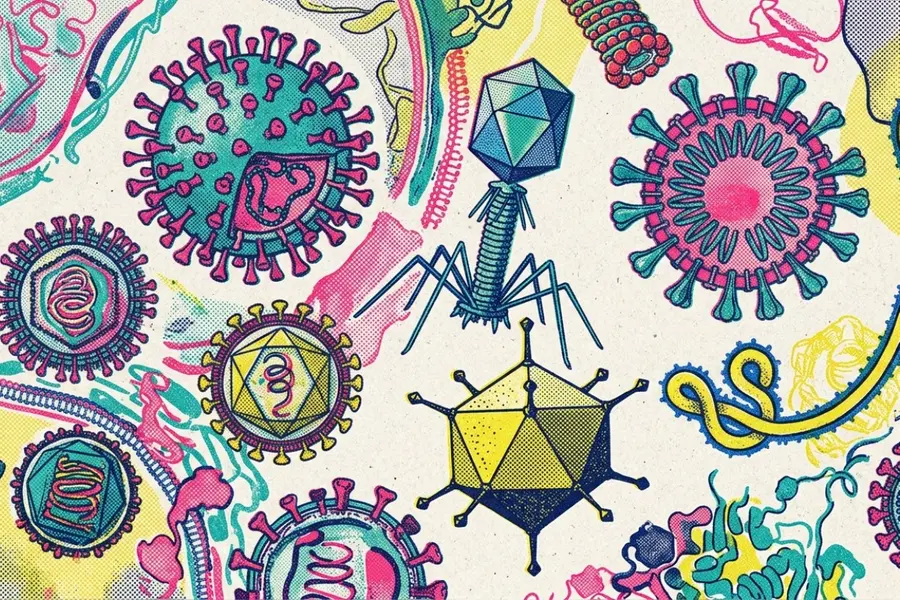
A string of recent norovirus infections affecting passengers on cruise ships and a rare hantavirus outbreak linked to international travel have brought viral infections back into public focus. The situation has triggered familiar comparisons with the early uncertainty of COVID-19, despite experts repeatedly clarifying that these viruses differ sharply in transmission, severity and overall threat.
Here is a simple breakdown of how norovirus, COVID-19 and hantavirus differ from each other.
Hantavirus: Rare but potentially severe
Also Read

Hantavirus is much less common but considered more severe in terms of fatality in serious cases. It is a zoonotic virus, meaning it spreads from animals to humans, mainly through rodents.
Infection usually occurs when people inhale particles contaminated with rodent urine, droppings or saliva, often in rural or poorly ventilated spaces.
Common symptoms
Early symptoms resemble flu-like illness:
- Fever
- Muscle pain
- Headache
- Fatigue
- Dizziness
In severe cases, it can progress to Hantavirus Pulmonary Syndrome, which causes fluid in the lungs and serious breathing difficulty.
How dangerous is it?
Although infections are rare, severe cases can have a high fatality rate. However, human-to-human transmission is extremely limited, which keeps overall case numbers low.
Norovirus: The fast-spreading stomach virus
Norovirus is best known for causing sudden stomach-related illness, especially in crowded places like schools, cruise ships, offices and care homes.
It spreads extremely easily through contaminated food, water, surfaces and close contact with infected people. Even tiny amounts of the virus can trigger infection, which is why outbreaks can spread quickly in closed environments.
Common symptoms
Norovirus mainly affects the digestive system, leading to:
- Sudden vomiting
- Diarrhoea
- Stomach cramps
- Nausea
- Sometimes mild fever or headache
Symptoms usually appear within 12 to 48 hours and last for one to three days.
How dangerous is it?
For most healthy people, norovirus is unpleasant but short-lived. The biggest concern is dehydration, especially in children, older adults and those with weaker immunity. There is no specific cure, and recovery mainly depends on rest and fluids.
COVID-19: A respiratory virus with wider effects
COVID-19 is caused by the SARS-CoV-2 virus and spreads mainly through droplets and airborne particles when an infected person coughs, talks or breathes in close proximity to others.
Unlike norovirus, this virus primarily targets the respiratory system but can affect multiple organs in severe cases.
Common symptoms
Symptoms can vary widely and include:
- Fever
- Dry cough
- Sore throat
- Fatigue
- Loss of smell or taste
- Breathlessness in severe cases
Incubation can range from 2 to 14 days.
How dangerous is it?
While vaccines and treatments have reduced severity in many cases, COVID-19 can still become serious, especially in older adults or those with underlying conditions. Some people also experience long-term symptoms known as Long COVID, which can last for weeks or months.
Key differences at a glance
- Norovirus spreads through food, water and surfaces and mainly affects the stomach
- COVID-19 spreads through the air and affects the respiratory system, with possible long-term effects
- Hantavirus spreads from rodents and can cause severe lung complications but is rare
Which virus is more dangerous?
There is no single answer. Each virus carries different risks depending on exposure and health conditions.
- Norovirus spreads fastest but is usually mild
- COVID-19 spreads widely and can range from mild to severe
- Hantavirus is rare but can be more severe in individual cases
Simple ways to reduce risk
Prevention depends on how each virus spreads:
- Wash hands regularly, especially after using the toilet or before eating (important for norovirus)
- Ensure good ventilation and avoid crowded indoor spaces during outbreaks (important for COVID-19)
- Avoid contact with rodents and clean enclosed areas carefully with protection (important for hantavirus)
Published: 16 May 2026, 02:48 pm IST
Related Topics
Disclaimer: Kindly avoid objectionable, derogatory, unlawful and lewd comments, while responding to reports. Such comments are punishable under cyber laws. Please keep away from personal attacks. The opinions expressed here are the personal opinions of readers and not that of Mathrubhumi.