
First identified in Malaysia in 1999, the Nipah virus (NiV) continues to cause annual outbreaks across South and Southeast Asia, particularly in India
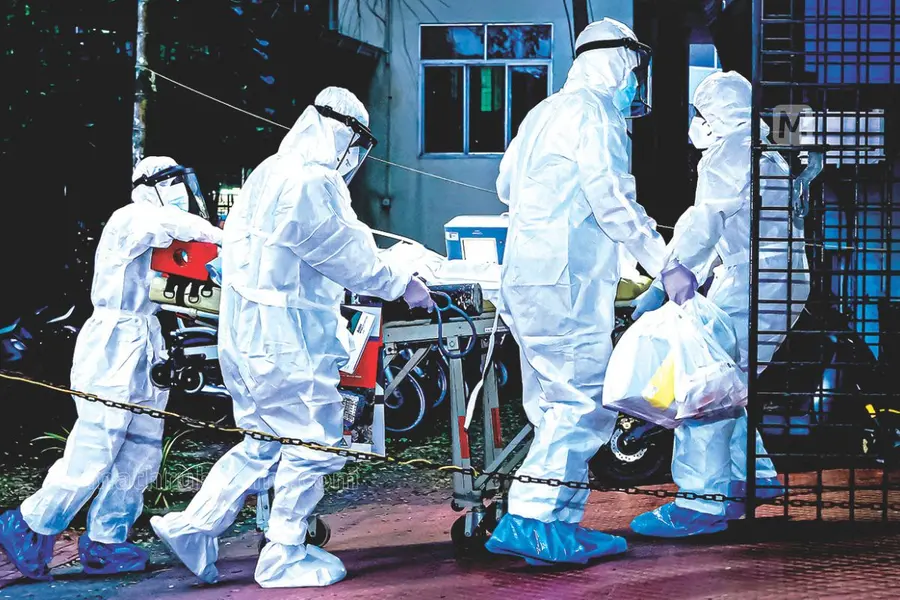
New Delhi: A novel vaccine against the deadly Nipah virus has been found to be safe and capable of generating an immune response, according to a phase 1 randomised clinical trial led by researchers in the United States.
The study, published in The Lancet, showed that all three doses and regimens of the vaccine candidate, known as HeV-sG-V, were well tolerated and successfully induced an immune response.
“The induction of antibodies within one month of vaccination, along with the persistence afforded by two dosages, suggests the vaccine candidate has potential for reactive outbreak control and preventive use,” said the research team from Cincinnati Children’s Hospital Medical Center (CCHMC).
First identified in Malaysia in 1999, the Nipah virus (NiV) continues to cause annual outbreaks across South and Southeast Asia, particularly in India, with mortality rates ranging from 40 to 75 per cent.
The World Health Organization has classified Nipah virus as a high-priority pathogen, noting that it can kill up to 82 per cent of those infected and that no approved treatments or vaccines are currently available.
Scientists from the Indian Council of Medical Research–National Institute of Virology (ICMR-NIV), Uttar Pradesh, described the findings as a “milestone” in Nipah vaccine development in an accompanying editorial in The Lancet.
The phase 1 trial involved 192 healthy volunteers aged 18 to 49 years. While a single dose did not produce sufficient immunity, two doses proved immunogenic, with the strongest responses seen in participants who received two 100-microgram doses of HeV-sG-V administered 28 days apart.
Neutralising antibody levels rose sharply within seven days of the second dose. The most common side effect reported was mild to moderate pain at the injection site. No serious adverse events, hospitalisations or deaths were recorded.
In the editorial, ICMR-NIV experts stressed the need for larger phase 2 trials to further assess the vaccine’s safety and determine the level of protection it may offer.
Nipah virus disease is a zoonotic infection that can cause acute encephalitis and severe respiratory illness and is often fatal.
(IANS)
Published: 23 Dec 2025, 03:55 pm IST
Related Topics
Disclaimer: Kindly avoid objectionable, derogatory, unlawful and lewd comments, while responding to reports. Such comments are punishable under cyber laws. Please keep away from personal attacks. The opinions expressed here are the personal opinions of readers and not that of Mathrubhumi.
