

Behind stable immunisation numbers, doctors are raising concerns about a quieter problem—children’s growing fear of injections. Needle-free vaccination technology is now being seen as a potential solution to improve comfort, compliance, and trust in preventive care.
Kerala’s healthcare system is often cited as one of India’s strongest, particularly in preventive and child healthcare. High immunisation coverage, informed parents, and regular paediatric follow-ups have long been the norm.
Yet, despite these achievements, one issue continues to surface in clinics across the state—the fear of injections among children.
Paediatricians note that vaccination visits are frequently emotionally taxing. Children react with anxiety at the sight of needles, while parents struggle to manage distress.
Medical experts warn that this fear is not trivial; injection anxiety can affect cooperation, delay follow-up doses, and shape a child’s long-term relationship with healthcare.
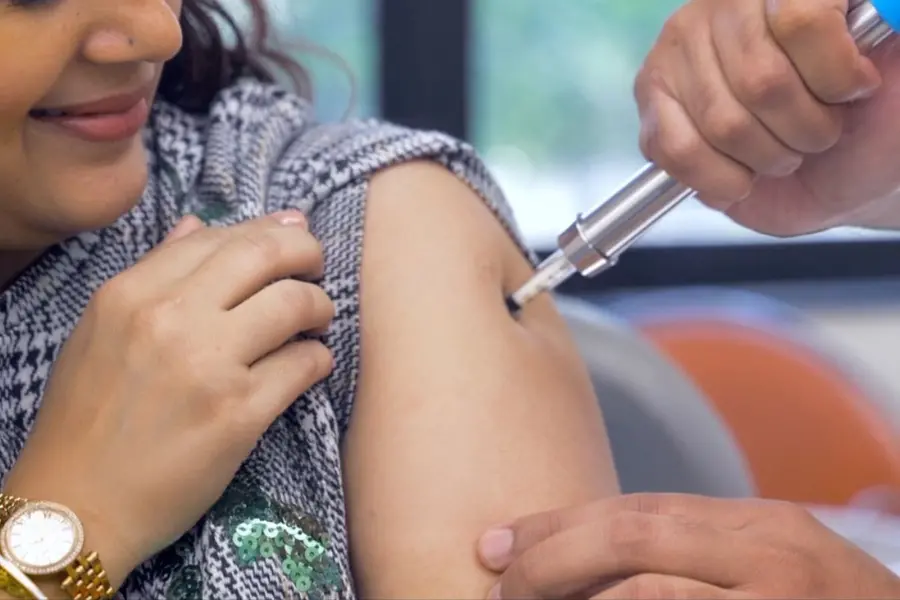
In response, interest is growing around needle-free injection technology, which aims to make vaccination less traumatic without altering medical outcomes. In India, IntegriMedical is the first company to introduce a Needle-Free Injection System (N-FIS) designed specifically for needle-phobic patients, including children.
How Needle-Free Injections Work
The Needle-Free Injection System (N-FIS) uses a high-pressure jet stream mechanism to deliver medication in a consistent, spray-like pattern. The drug passes through a fine micro-orifice in the skin, allowing effective delivery without the use of needles. This approach minimises tissue trauma, avoids tissue pooling, and reduces the risk of cross-contamination.
By eliminating needles, N-FIS offers a non-invasive, trauma-free injection experience, significantly reducing pain and anxiety—key advantages in paediatric care.
The absence of needles also removes the need for sharps handling and disposal, contributing to safer clinical environments and improved patient acceptance, particularly in cases requiring repeated injections.
Age Use and Cost
In clinical practice, needle-free injections are generally recommended from six months of age onwards, depending on clinical guidance and the vaccine being administered.
In terms of affordability, needle-free injections are priced in the lower hundreds, not thousands. While clinics may need an initial setup investment, doctors point out that long-term benefits—such as improved compliance, reduced waste, and enhanced safety—can offset the upfront cost.
One Limitation and Why Adoption Is Still Limited
Despite its advantages, needle-free injection technology does have one limitation. It requires proper training and correct technique to ensure accurate delivery. Unlike traditional syringes, incorrect handling may affect depth or comfort, making staff training essential before routine use.
This training requirement, along with initial equipment costs and limited awareness, explains why needle-free injections are not yet widely adopted.
Many clinics continue to rely on familiar needle-based systems that are inexpensive, universally available, and deeply entrenched in practice. Experts say wider adoption will likely depend on increased awareness, training support, and long-term data on operational benefits.
Doctors See a Shift in Experience
“I have witnessed firsthand how deeply the fear of needles affects children, and how emotionally taxing it is for parents as well. That is why the impact of the Needle-Free Injection System (N-FIS) feels truly meaningful. Vaccination rooms that were once filled with anxiety are now noticeably calmer.
Children remain relaxed, parents feel reassured, and healthcare providers can focus fully on care. Many families now actively request the needle-free option after seeing the reassuring experiences of others. This shift has made the vaccination process smoother, faster, and far less stressful for everyone involved.
Comfort in vaccination is not a luxury; it is essential. As we work toward truly child-friendly healthcare, adopting needle-free technology across clinical settings is a step we can no longer delay.” said Dr Anand K M, MBBS, MD-Pediatrics, Milestones Clinic, Kakkanad, Kerala
Looking Ahead
For Kerala, where preventive care is already strong, needle-free injections represent not a replacement, but a refinement. By addressing fear alongside efficacy, clinicians believe this technology could quietly reshape how children experience healthcare.
Published: 23 Dec 2025, 04:26 pm IST
ABOUT THE AUTHOR
Disclaimer: Kindly avoid objectionable, derogatory, unlawful and lewd comments, while responding to reports. Such comments are punishable under cyber laws. Please keep away from personal attacks. The opinions expressed here are the personal opinions of readers and not that of Mathrubhumi.