
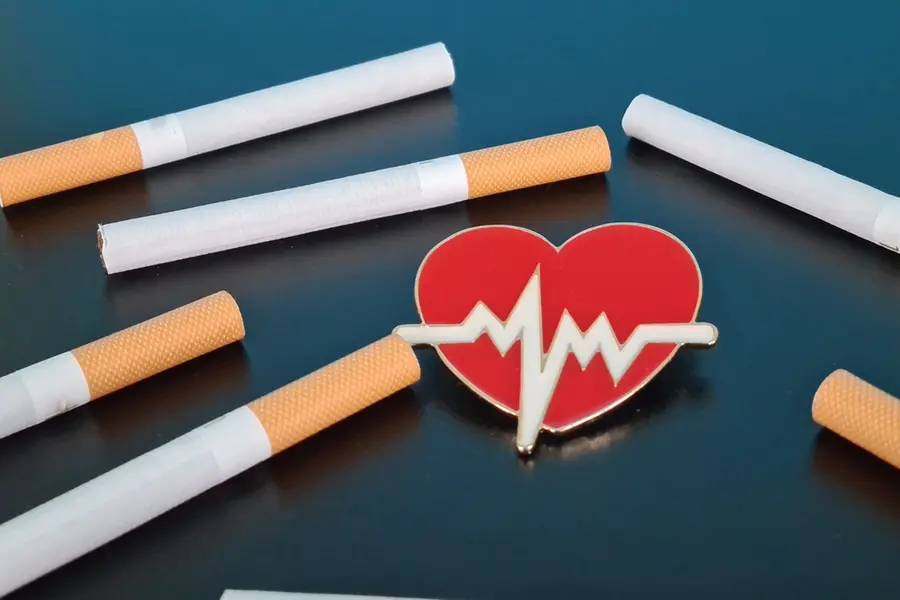
Today is National Cancer Awareness Day. The day aims to create awareness among the masses regarding prevention and early detection of cancer. One of the biggest factors that lead to cancer is smoking.
Quitting smoking is one of the most impactful choices you can make for your heart and lung health. While the benefits begin almost immediately, the timeline for full recovery can vary. This report delves into how long it takes for the heart to recover after quitting smoking, the damage caused by smoking, and long-term health improvements.
Also Read

Timeline for heart health recovery
The benefits of quitting smoking are immediate, but the heart's recovery process takes time. A study conducted by Korea University Ansan Hospital highlights the varied healing process:
- 4 to 5 years for moderate smokers: Long-term smokers who quit gradually may see significant heart health improvements within 4 to 5 years.
- Up to 25 years for heavy smokers: For chronic, heavy smokers, full recovery can take up to 25 years to reverse the damage.
This extensive study, which tracked 5.8 million male participants, underscores the urgency of quitting smoking as soon as possible. Early cessation accelerates the body's healing process, promoting better heart health.
How smoking impacts heart health
- Smoking has severe consequences for cardiovascular health, contributing to heart disease and increasing the risk of heart attacks. Here’s how it affects the heart and blood vessels:
- Inflammation and plaque buildup: Smoking promotes inflammation, leading to plaque accumulation in the arteries and damage to arterial walls, narrowing blood vessels.
- Increased heart rate and blood pressure: The act of smoking causes the heart rate and blood pressure to rise, adding undue strain on the heart and elevating heart attack risk.
- Unhealthy cholesterol levels: Smoking decreases high-density lipoprotein (HDL or "good" cholesterol) and increases low-density lipoprotein (LDL or "bad" cholesterol) and triglycerides, accelerating arterial plaque buildup.
- Thickened blood: Smoking thickens the blood, heightening the risk of blood clots and cardiovascular events, such as strokes and heart attacks.
Benefits for lung health post-cessation
After quitting smoking, the body quickly begins to rid itself of harmful substances. Blood becomes free of nicotine and carbon monoxide, restoring adequate oxygen supply to the heart and muscles. It takes about two months or more for the lungs to start clearing mucus, tar, and other toxins. Easier breathing typically returns after one year, and heart function continues to improve, with full recovery often taking at least five years.
Diet and lifestyle post-cessation
Maintaining a healthy diet is essential after quitting smoking. Managing factors such as obesity, blood pressure, blood sugar, and cholesterol can support overall heart health and aid in the recovery process.
Quitting smoking remains a crucial step in improving cardiovascular and lung health. The sooner individuals stop smoking, the quicker the body can heal, reducing the risk of heart disease and enhancing overall well-being.
Published: 07 Nov 2024, 11:57 am IST
Related Topics
Disclaimer: Kindly avoid objectionable, derogatory, unlawful and lewd comments, while responding to reports. Such comments are punishable under cyber laws. Please keep away from personal attacks. The opinions expressed here are the personal opinions of readers and not that of Mathrubhumi.