
City air is not just hard on your lungs, it’s quietly ageing your skin and weakening your hair. From clogged pores to brittle strands, pollution is doing more damage than most daily routines can undo
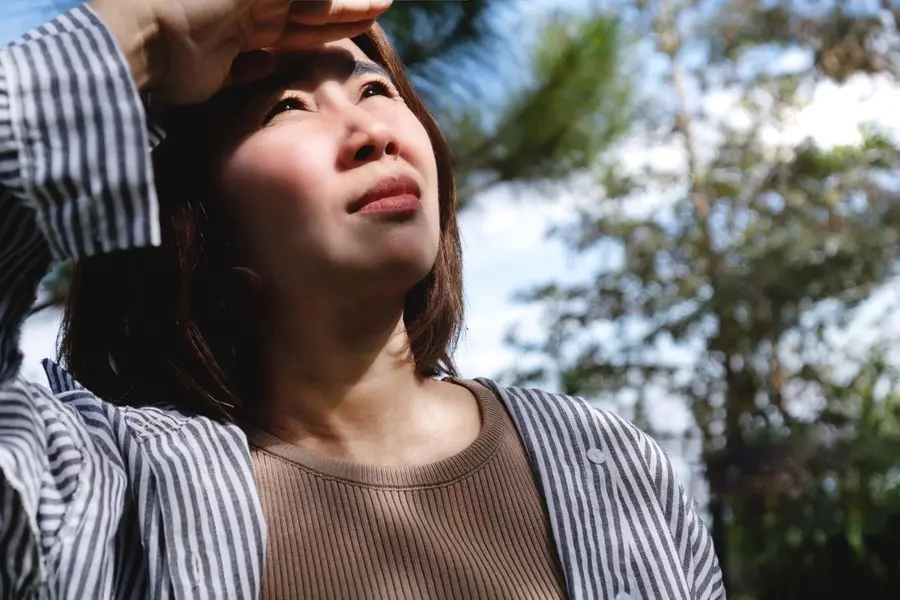
Life in cities often comes with an invisible burden; polluted air. The haze of fine dust, toxic gases, and tiny airborne particles does more than harm the lungs and heart. It quietly alters the condition of our skin and hair, stripping away natural glow, weakening roots, and speeding up the signs of ageing.
Because the face and hair are the most exposed areas, the effects are visible sooner, although many people notice them only when the damage has already set in.
How does pollution affect the skin?
Doctors are increasingly observing a rise in chronic skin conditions such as eczema and acne, much of it linked to prolonged exposure to polluted air.
Even people who maintain disciplined skincare routines often find pollution undermines their efforts, leaving them stuck in a cycle of breakouts and irritation.
The sun makes matters worse. On its own, ultraviolet (UV) radiation is a well-known factor in skin ageing. But when UV rays interact with pollutants like ozone, the impact intensifies. This mix creates oxidative stress in the skin, which accelerates wrinkles, pigmentation, and loss of elasticity.
Indoor spaces are not always safer either. The World Health Organisation reported in 2020 that about 3.2 million deaths annually were linked to household air pollution from cooking fuels and poor ventilation.
While the focus is usually on respiratory health, the effects extend to the skin, indoor toxins and stale air dry it out, making it more sensitive to flaking and irritation.
Offices with heavy air conditioning and little fresh airflow can cause similar problems for those who spend long hours inside.
What about hair and scalp health?
Pollution also takes a heavy toll on the scalp and hair. Research shows that pollutants damage the proteins and lipids in hair strands, making them weaker, more brittle, and prone to thinning.
The scalp often suffers first. Layers of grime, sebum, and airborne chemicals block the hair follicles, disturbing natural growth and leaving strands lifeless. Many people experiencing hair fall or an itchy scalp may not realise that pollution is often the hidden culprit.
Constant exposure also disrupts the scalp’s delicate pH balance. This can lead to excess oil, dandruff, and sensitivity, conditions that not only cause discomfort but also slow healthy growth.
Add sunlight to the mix, and the damage worsens: UV radiation combined with airborne toxins strips away natural moisture and fades hair colour, leaving it dry and fragile.
Can daily care make a difference?
The good news is that pollution damage can be reduced with consistent care. Daily cleansing is essential for the skin to remove dust and dirt before they clog pores.
Products containing antioxidants such as vitamins C and E are particularly helpful, as they fight free radicals and protect against early ageing. Mineral sunscreens provide an extra barrier, shielding skin from both UV rays and pollutants.
For hair and scalp, clarifying shampoos can wash away buildup from pollution and styling products. Antioxidant-rich conditioners restore shine and strengthen strands, while scalp serums protect and nourish follicles.
What role does diet play?
What you eat matters just as much as the products you apply. Diets rich in leafy greens, berries, nuts, and fish provide antioxidants and omega-3 fatty acids that help the body resist environmental stress.
Staying hydrated keeps both skin and scalp resilient. Ingredients such as spinach, flaxseeds, and green tea add further support, boosting the body’s ability to cope with polluted air.
How is the beauty industry responding?
Brands are taking note of this growing problem. Skincare companies are introducing “anti-pollution” products that claim to create a barrier against particulate matter.
Similarly, new haircare products such as leave-in conditioners and scalp sprays aim to block toxins and protect strands. While these solutions cannot eliminate exposure completely, they highlight the fact that pollution is now seen not only as an environmental issue but also a personal health concern.
With mindful skincare, the right diet, and protective habits, it is possible to keep both skin and hair healthy.
Published: 11 Sept 2025, 03:53 pm IST
Disclaimer: Kindly avoid objectionable, derogatory, unlawful and lewd comments, while responding to reports. Such comments are punishable under cyber laws. Please keep away from personal attacks. The opinions expressed here are the personal opinions of readers and not that of Mathrubhumi.
