
Nutritionist Kavita Devgan shares science-backed tips on how to eat rice the right way to boost gut health, improve satiety and stabilise blood sugar levels.
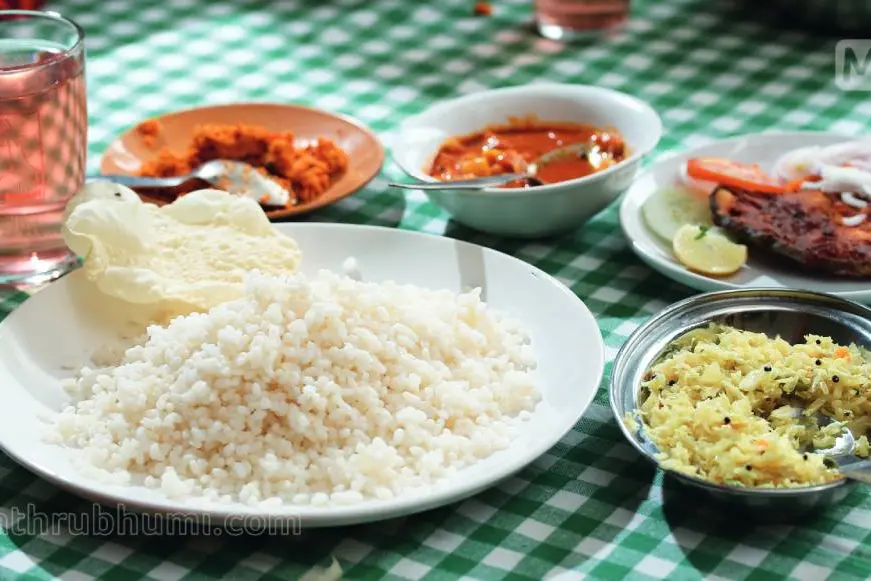
In an online landscape crowded with certified nutritionists and self-styled food gurus, rice has often found itself unfairly vilified. Yet a leading nutrition expert says the problem isn’t the grain itself, it’s how people eat it. Nutritionist Kavita Devgan, who previously interned at Safdarjung Hospital in New Delhi, has shared practical guidance on consuming rice in a way that supports gut health and stabilises blood sugar levels.
“Rice is not the problem. You just need to learn how to eat it smartly,” Devgan said in two recently shared videos that challenge widespread myths about the staple.
Add fat for better satiety
Devgan’s first recommendation focuses on preparation. She advises adding a small amount of fat to rice while it cooks, suggesting a teaspoon of ghee. According to her, this simple step improves satiety, helps regulate blood sugar, and ensures longer-lasting fullness.
Cook and cool
For individuals managing diabetes or struggling with post-meal glucose spikes, Devgan urges caution with hot, freshly cooked rice. Instead, she recommends cooking the rice in advance, cooling it thoroughly, and eating it the next day. Storing the rice in the freezer overnight, she says, can enhance its gut-friendly properties and reduce glucose surges after meals.
Rethink the food order
Devgan highlights that the sequence in which food is eaten can significantly influence digestion and blood sugar. She suggests starting meals with fibre-rich options such as vegetables or salads, followed by proteins including dal, curd, eggs, chicken, meat or sambar. Only after this should rice be eaten, ideally paired with leftover protein. This method naturally reduces rice intake without restrictive dieting.
Mind portions and timing
The nutritionist cautions against eating large quantities, specifically, two fists of rice in one sitting. She recommends having a bigger portion earlier in the day and a smaller serving at night. Contrary to a popular belief that rice should be avoided at dinner, Devgan says she frequently prescribes it in the evenings for clients, as long as it is eaten correctly. She adds that those who struggle with sleep may benefit from including rice at night, as it supports serotonin and melatonin production.
Embrace fermented rice
One of Devgan’s strongest endorsements is for fermented rice dishes, which she describes as among the healthiest ways to consume the grain. Traditional preparations such as idli, dosa, pazhaya sadam (rice kanji) and other regional versions are particularly beneficial, she notes. Many public figures have credited kanji with improving their gut health.
Devgan concludes by noting that many of these practices mirror what older generations intuitively understood. “Honestly, your grandmother was practicing gut health long before it became a trend,” she said. When eaten mindfully and prepared with care, she emphasises, rice can form an essential part of a balanced, gut-friendly meal.
Published: 06 Apr 2026, 03:44 pm IST
Related Topics
Disclaimer: Kindly avoid objectionable, derogatory, unlawful and lewd comments, while responding to reports. Such comments are punishable under cyber laws. Please keep away from personal attacks. The opinions expressed here are the personal opinions of readers and not that of Mathrubhumi.
