
Can diet help eczema? Discover anti-inflammatory foods, triggers, and diet tips to manage eczema symptoms naturally
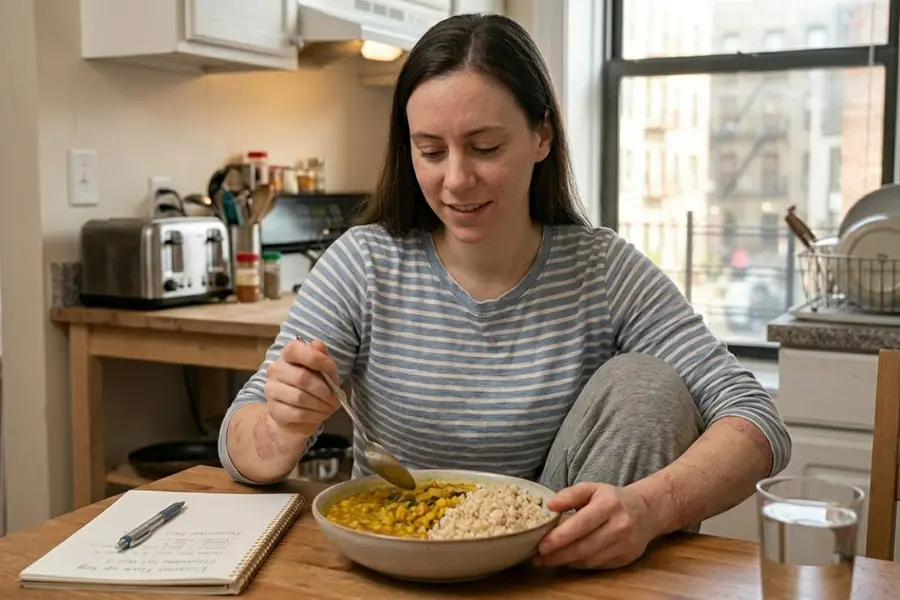
If you’ve ever looked up an “eczema diet”, you’ve probably seen everything from strict elimination plans to miracle food lists. The reality is far simpler and far more practical. There’s no single diet that cures eczema, but certain eating patterns can help reduce inflammation and, in turn, ease symptoms.
Is there really an “Eczema Diet”?
There isn’t one universal diet for eczema.
Eczema (atopic dermatitis) is a chronic inflammatory skin condition. Food doesn’t usually cause it, but it can influence flare-ups, especially if you have sensitivities or allergies. What helps one person may not work for another and which is why personalised patterns matter more than rigid rules.
The real link: Food and inflammation
Eczema is closely tied to inflammation in the body. That’s why most dietary advice focuses on reducing inflammatory triggers rather than following a strict plan.
Two things are commonly seen:
- Certain foods may trigger symptoms in sensitive people
- Diets high in processed foods and sugar may worsen inflammation
Types of Eczema and where food fits in
Eczema isn’t just one condition, but a group of related skin disorders and food may play a slightly different role in each.
Atopic dermatitis, the most common type, is often associated with allergies. In some people, foods like dairy, eggs, nuts or wheat may trigger flare-ups.
Dyshidrotic eczema, which usually affects the hands and causes small blisters, may sometimes be aggravated by dietary exposure to metals such as nickel or cobalt.
Contact dermatitis is typically caused by external irritants rather than food, though certain ingested allergens may occasionally worsen symptoms.
Seborrhoeic dermatitis, which affects the scalp and oily areas, has fewer direct links to diet, but highly processed or sugary foods may still contribute to overall inflammation.
Across all types, food does not directly cause eczema but in some people, specific triggers or a generally pro-inflammatory diet can make symptoms worse.
Anti-inflammatory eating: What helps
“Anything with anti-inflammatory properties is good for most inflammatory skin conditions, including eczema and psoriasis,” notes dermatology guidance.
An anti-inflammatory approach doesn’t mean restriction; it means choosing better-quality foods more often.
What to limit
- Red meat
- Refined flour (maida-based foods)
- Added sugar
What to focus on
- Vegetables
- Lean proteins
- Fish
- Whole foods
This kind of eating pattern is linked not just to skin health, but also to better weight management and overall wellbeing.
The Mediterranean pattern (Adapted for Indian diets)
One of the most widely recommended anti-inflammatory diets is the Mediterranean diet. It’s largely plant-based and includes:
- Plenty of vegetables
- Whole grains
- Legumes
- Fish
- Healthy fats like olive oil
- Nuts for protein
You don’t have to follow it exactly as it can be easily adapted to Indian meals.
Indian-friendly examples:
- Vegetable-rich sabzis cooked in minimal oil
- Dal with brown rice or millets like ragi and jowar
- Grilled or lightly spiced fish (like mackerel or sardines)
- A handful of nuts such as almonds or walnuts
The idea is simple: more plants, better fats, less processing.
Plant-based diets and eczema
In some cases, doctors may suggest a more plant-based approach especially for a specific type called dyshidrotic eczema.
Why plant-based diets may help
Healthcare providers sometimes recommend plant-based diets to limit foods high in these metals, which may reduce flare-ups in sensitive people.
This doesn’t mean going fully vegan unless advised. It simply means:
- Increasing plant foods
- Being mindful of specific triggers
Everyday foods that support skin health
Rather than focusing on restrictions, it helps to build a diet around nourishing, accessible foods.
Fresh fruits and vegetables
Papaya, guava, oranges
Spinach, carrot, beetroot, bottle gourd (lauki)
These are rich in antioxidants that support the skin barrier.
Healthy fats
Fatty fish (like Indian mackerel)
Flaxseeds (alsi)
Walnuts
These contain omega-3 fatty acids, which may help reduce inflammation.
Probiotic foods
Curd (dahi)
Buttermilk (chaas)
Fermented batters like idli and dosa
These support gut health, which plays a role in immune function.
Whole grains and pulses
Brown rice
Millets (ragi, bajra, jowar)
Moong dal, masoor dal
They provide fibre and essential nutrients without causing spikes in blood sugar.
Foods to watch (Only if they trigger you)
- Dairy
- Eggs
- Nuts
- Seafood
- Gluten
Also worth limiting:
- Packaged snacks
- Sugary drinks
- Bakery items
A note on elimination diets
- Cutting out multiple foods without guidance can do more harm than good.
- Avoid self-restricting large food groups
- Work with a doctor if trying elimination diets
- Nutritional balance is essential
What actually works
At its core, managing eczema through diet is about consistency, not perfection.
- Eat mostly home-cooked, fresh meals
- Reduce ultra-processed foods
- Focus on anti-inflammatory ingredients
- Track personal triggers if needed
- Avoid unnecessary restrictions
Published: 05 Apr 2026, 05:28 pm IST
Disclaimer: Kindly avoid objectionable, derogatory, unlawful and lewd comments, while responding to reports. Such comments are punishable under cyber laws. Please keep away from personal attacks. The opinions expressed here are the personal opinions of readers and not that of Mathrubhumi.
