
Hydration and moisturisation are often used interchangeably in skincare, but they target very different needs
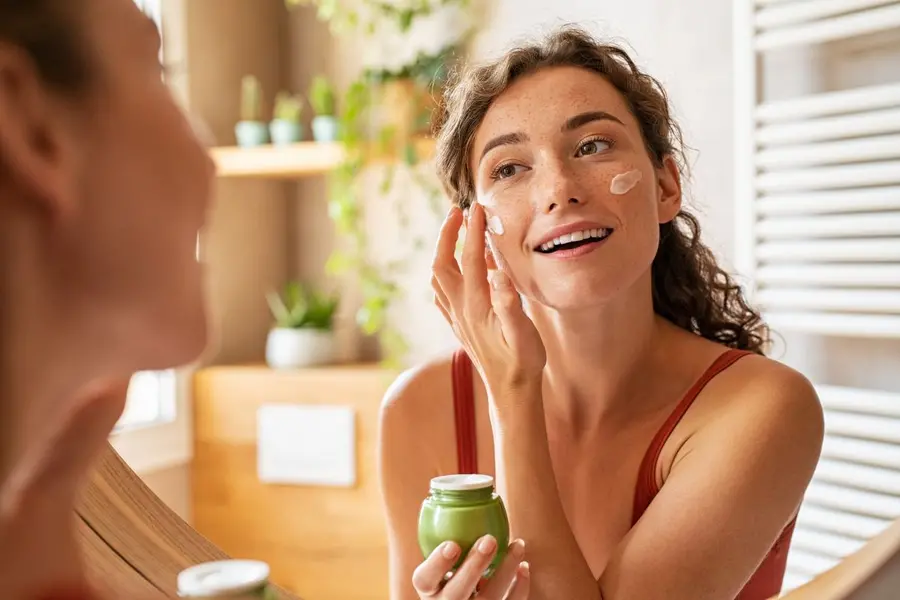
When it comes to skincare, two words often get thrown around as if they mean the same thing hydrating and moisturising. But here’s the thing: they don’t. They actually cater to two different skin needs, and understanding the difference can make or break your skincare routine.
What’s the real difference between hydrating and moisturising?
Dermatologists explain that hydration is all about adding water to the skin. This is done with humectants like hyaluronic acid that pull moisture into the outer layers. Moisturising, on the other hand, helps seal that water in using occlusives and emollients, which prevent water loss from the surface.
Interestingly, your skin can be oily yet dehydrated, or well-hydrated but lacking in lipids. This means using only moisturisers on dehydrated skin or just hydrating products on a damaged barrier might actually make things worse instead of better.
Dry vs dehydrated: They’re not the same
This difference also helps explain why so many people confuse dehydrated skin with dry skin.
Dehydrated skin lacks water, so it often feels tight, looks dull or papery, and may show fine lines or feel sensitive. Dry skin, however, is short on lipids, making it rough, flaky or itchy.
Dehydration is a temporary issue that can affect anyone, even those with oily skin. Dryness, in contrast, is more of a long-term or genetic condition.
Is drinking water enough for hydration?
Many people believe that simply drinking more water will fix dehydrated skin. Doctors say that while drinking water does help overall health, it doesn’t have a major impact on the skin’s surface.
Skin hydration relies more on a healthy barrier that can retain water, along with regular use of hydrating serums and moisturisers. In short, your skincare routine matters more than just how much water you drink.
How does the environment affect skin’s water and oil balance?
External factors play a huge role too. Air conditioning, low humidity, and pollution are all common culprits that throw the skin off balance.
Experts explain that air conditioning removes water from the skin, leading to dehydration. Pollution damages the barrier by breaking down lipids and proteins.
While water loss can be fixed quickly with humectants, restoring moisture that comes from lipid depletion needs occlusives and barrier-repairing ingredients.
Why do people get product use wrong?
According to dermatologists, many people misunderstand what their skin actually needs. Rich, heavy creams are often applied when the skin really needs water, while hydrating serums are used without sealing them in, which can make dehydration even worse.
The best way to go about it is to layer your products correctly. Start with a serum rich in humectants to draw in water, then follow up with an emollient or occlusive to lock it in place.
How do treatments differ for dehydrated and dry skin?
In clinical settings, doctors make a clear distinction between treating dehydration and repairing a damaged barrier. Ingredients like glycerin or urea give quick relief for dehydrated, tight skin.
But chronic dryness needs more long-term care with ceramides, cholesterol and fatty acids to rebuild the lipid layer. In some skin conditions such as eczema or atopic dermatitis, both approaches are used together to achieve balance.
How does skin type affect product choice?
Dermatologists say that your skin type plays a key role in choosing the right products.
Oily or combination skin might have plenty of sebum but still lack water, so lightweight hydrating formulas are a better fit.
Dry skin, however, needs both water and oil replenishment.
Hydrating serums tend to suit all skin types, but moisturisers should be picked based on how oily or dry the skin feels and how well it tolerates certain textures.
Can you overdo hydration or moisturisation?
Balance is everything. Over-hydrating without sealing in the moisture can cause water to escape again through a process called reverse osmosis.
Using too many heavy creams can clog pores and upset the skin’s natural oil balance.
Over time, this can even make your skin dependent on external moisture instead of maintaining its own.
Why the skin barrier matters most
The outermost layer of the skin, known as the stratum corneum, acts as a gatekeeper. It locks in water and keeps out irritants. Strengthening this barrier with ingredients like ceramides, niacinamide and pH-balanced cleansers is essential to keep skin healthy and resilient against daily stress.
The rise of “skinimalism”
A growing number of people are now embracing “skinimalism” , the trend of using fewer but more effective products.
Experts have noticed a clear shift from heavy creams and multi-step routines to simpler, hydration-first approaches. People now prefer lightweight serums and barrier-strengthening products that keep the skin balanced without overloading it. This change aligns perfectly with what dermatologists recommend: hydration should come first, and moisturisation should be customised to your skin’s needs.
Published: 06 Oct 2025, 04:16 pm IST
Related Topics
Disclaimer: Kindly avoid objectionable, derogatory, unlawful and lewd comments, while responding to reports. Such comments are punishable under cyber laws. Please keep away from personal attacks. The opinions expressed here are the personal opinions of readers and not that of Mathrubhumi.
