
Southeast Asia sees a rise in COVID-19 cases due to new Omicron subvariants. Experts say most cases are mild, but precautions are advised.
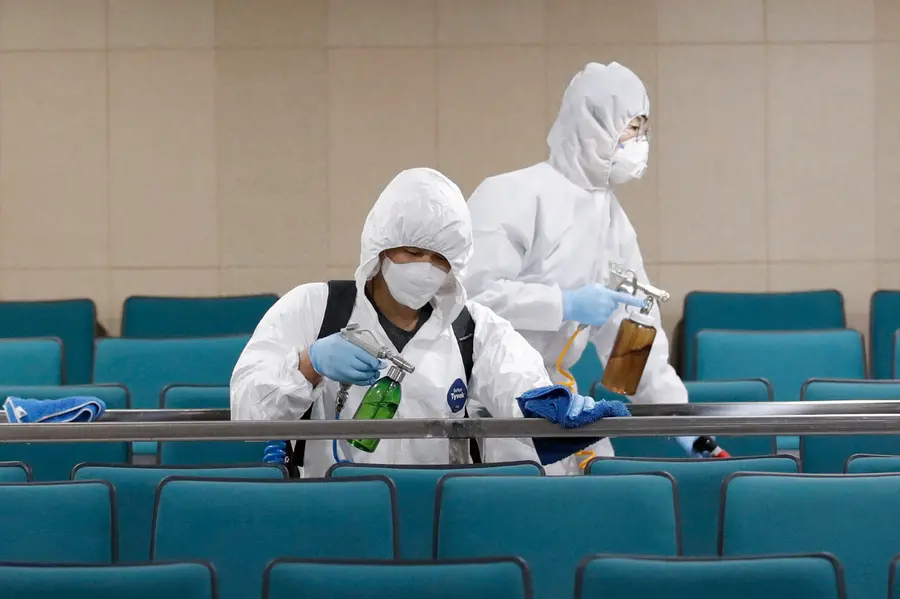
New Delhi: Amid rising COVID-19 infections reported across Southeast Asia, health experts have downplayed fears of a fresh outbreak, calling the trend a seasonal spike in flu-like cases with mostly mild symptoms.
Countries such as Singapore, Hong Kong, China, and Thailand have seen a recent uptick in infections, mostly attributed to the spread of new Omicron subvariants such as JN.1, LF.7, and NB.1.8. These variants now account for more than two-thirds of sequenced cases in the region.
In Singapore, weekly COVID-19 cases surged by 28%, rising from 11,100 in late April to 14,200 in the first week of May. Hospitalisations also went up by 30%. Hong Kong recorded 31 virus-related deaths in the week ending May 3, its highest weekly toll in a year. Infections rose to 1,042 by May 10 from 972 the previous week.
Despite the spike, experts stress that most cases remain mild and do not require hospitalisation. “Rising COVID-19 cases in Southeast Asia are attributed to seasonal trends of flu cases. Most of the cases are mild and do not need any hospitalisation,” Dr. Harshal R Salve, Additional Professor at the Centre for Community Medicine at AIIMS, New Delhi, told IANS.
India sees slight uptick, but situation ‘under control’
India, too, has seen a minor rise in cases. A review by the Ministry of Health on May 19 revealed just 257 active cases across the country, with officials calling the situation “under control.”
“Covid-19 is a cyclical disease, which means that cases will rise every few months. The intervals can range from six to nine months. As with other Asian countries, we are seeing COVID-19 cases in India too. But they are not overwhelming hospitals and are no more severe than they used to be. In fact, most cases are so mild, they are being treated as outpatient,” said Dr. Rajeev Jayadevan, Convener, Research Cell, Kerala State IMA.
“Due to widespread immunity due to prior vaccination and from surviving past infections, Covid-19 is no longer the destructive force it used to be. There is no indication of any major genetic shift having occurred in the virus that could alter the character of the disease it causes,” he added.
Experts recommend caution, not panic.
While most infections remain mild, experts warn that older adults and those with underlying conditions could still face complications. Dr. Jayadevan advised, “When cases rise, it’s important to take more precautions than usual. Wearing masks in crowded, closed spaces will be helpful. Those who have a fever should stay home and avoid mingling with others.”
Health officials in India confirmed that the country’s surveillance system remains robust, supported by the Integrated Disease Surveillance Programme (IDSP) and ICMR for respiratory illnesses, including COVID-19.
Celebrities and athletes among recent cases
Several public figures have also tested positive in recent days. Actor Shilpa Shirodkar announced on Instagram on Monday, “I've tested positive for COVID. Stay safe and wear your masks!”
In the sports world, Australian cricketer and Sunrisers Hyderabad (SRH) player Travis Head also contracted COVID-19. SRH head coach Daniel Vettori confirmed that Head missed travel with the team due to an infection but is expected to return soon.
Novavax vaccine gets limited FDA approval
In a related development, the US Food and Drug Administration (FDA) granted Novavax’s protein-based COVID-19 vaccine approval for limited use specifically for people aged 65 and older and those 12 and up with underlying health conditions that increase the risk of severe illness.
"This significant milestone demonstrates our commitment to these populations and is a significant step towards the availability of our protein-based vaccine option," Novavax President and CEO John Jacobs said in a statement.
(agencies)
Published: 20 May 2025, 04:57 pm IST
Related Topics
Disclaimer: Kindly avoid objectionable, derogatory, unlawful and lewd comments, while responding to reports. Such comments are punishable under cyber laws. Please keep away from personal attacks. The opinions expressed here are the personal opinions of readers and not that of Mathrubhumi.
