
Cerebral palsy is a lifelong condition caused by injury to or abnormal development of the developing brain, but the original brain injury does not progressively worsen
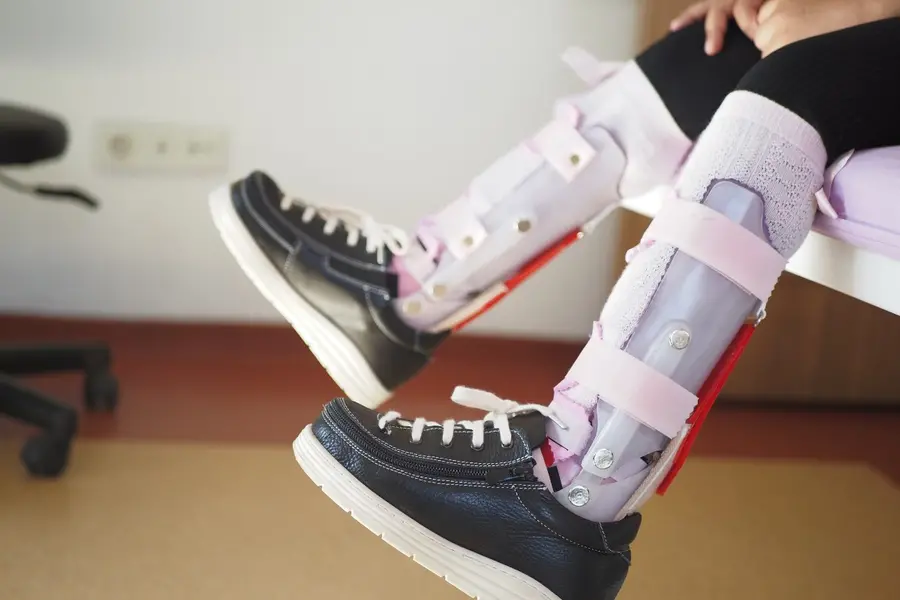
Cerebral palsy is a lifelong neurological condition, but many myths surround how it affects adults, their independence, pain, mobility and overall health.
Cerebral palsy is caused by an injury or abnormal development of the developing brain and affects movement, muscle tone, posture and coordination. Prematurity, certain infections, stroke, or reduced blood supply to the developing brain and other neurological injuries can be associated with the condition. In some cases, the exact cause may not be known. While it begins in childhood, its effects continue into adulthood.
Also Read: When memory fades, speech therapy speaks: Role of speech-language pathologist in dementia care
Adults with cerebral palsy may experience muscle stiffness, weakness, abnormal movements, balance problems, pain, and difficulty with mobility.
Debunking myths linked to cerebral palsy
Myth 1: Cerebral palsy gets worse as the brain damage progresses
Fact: The original brain injury causing cerebral palsy does not progressively worsen. However, symptoms such as stiffness, pain, weakness, fatigue, and joint problems can change with age and may require continued medical care.
Myth 2: Adults with cerebral palsy cannot live independently
Fact: Many adults with cerebral palsy study, work, maintain relationships and live independently. The level of independence depends on the individual's movement difficulties and the support or assistive devices they may need.
Myth 3: Pain and fatigue are just part of ageing
Fact: Pain, fatigue and increased muscle stiffness should not simply be ignored. They may be related to changes in muscle tone, posture, movement patterns or reduced physical activity and should be assessed by a neurologist.
Also Read: Could this protein help the heart repair itself? Here’s what new research says
Myth 4: There is no treatment once a person becomes an adult
Fact: Treatment does not stop after childhood. Physiotherapy, occupational therapy, medicines to manage spasticity, pain management, mobility aids can help adults maintain function and quality of life.
Cerebral palsy may begin in childhood, but neurological care should not end when a person turns 18. Regular health check-ups can help identify changes in mobility, muscle tone, pain, and fatigue early. Timely attention can help adults with cerebral palsy stay active, independent.
-Dr Neeraj Jain is a Senior Consultant Neurologist at NewEra Hospitals in Vashi, Navi Mumbai
Published: 11 Oct 2026, 12:30 pm IST
Related Topics
Disclaimer: Kindly avoid objectionable, derogatory, unlawful and lewd comments, while responding to reports. Such comments are punishable under cyber laws. Please keep away from personal attacks. The opinions expressed here are the personal opinions of readers and not that of Mathrubhumi.
