
Checking your blood pressure regularly is useful, but doing it too often without medical guidance can cause stress and inaccurate readings
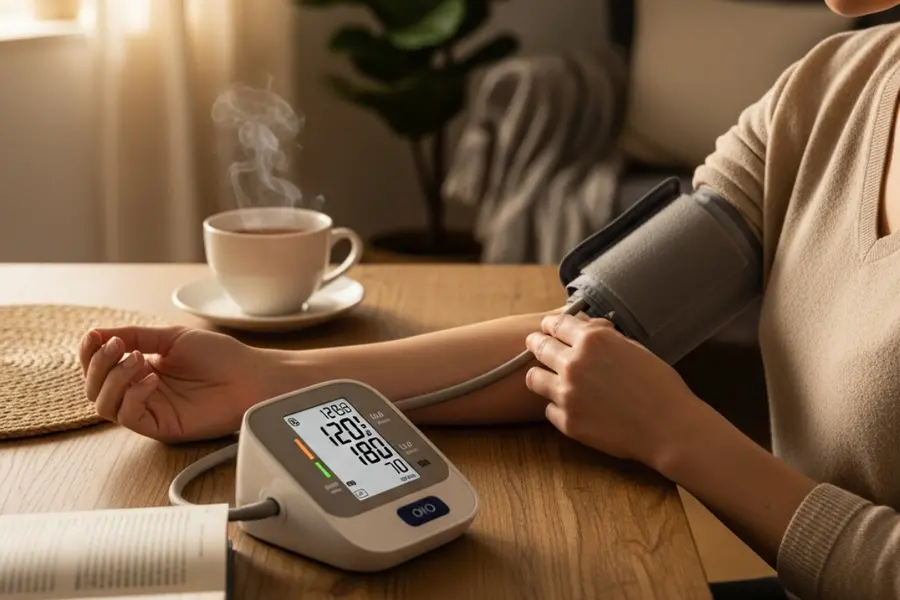
Many of us keep a blood pressure monitor at home, especially in today’s health-conscious world. It’s reassuring to check the numbers now and then, but sometimes curiosity or worry can lead to pressing the button more often than necessary.
While keeping track of your BP can be helpful, experts warn that over-checking may actually cause stress and give misleading results, turning a simple health habit into unnecessary anxiety.
Also Read

Why people check blood pressure often
Monitoring your blood pressure at home can be an important part of managing cardiovascular health, especially for people with hypertension or those starting new medication. Home readings can offer insight into daily patterns and help track responses to treatment.
When frequent checks become a problem
Checking blood pressure itself does not hurt you, but doing it excessively — for example, multiple times a day without symptoms or clinical need — can cause stress and measurement anxiety. Stress can temporarily raise readings, creating a false impression of poor blood pressure control.
Recommended frequency for most people
- Experts generally recommend that:
People without hypertension or risk factors need only occasional checks (e.g., once every few years if young and healthy, or annually once older than 40).
People with diagnosed high blood pressure may start with daily readings (such as morning and evening for a week) to assess patterns.
Once blood pressure is stable under treatment, checks can often be reduced to a few times per week as advised by a doctor.
- How to make readings meaningful
Experts advise checking blood pressure at the same times each day — often morning (before breakfast and medication) and evening — and ensuring proper technique: resting quietly before measurement, using a validated monitor, and keeping the cuff at heart level.
- Tips for accurate home monitoring
Home readings can be more reliable than office readings for long‑term trends, but proper conditions matter: avoid caffeine, smoking or exercise just before measurement, sit quietly for several minutes, and take multiple readings spaced by minutes for consistency.
- When to seek medical guidance
If frequent home checks consistently show high readings, or if you experience symptoms such as persistent headaches, chest discomfort, dizziness, or unusual fatigue, consult a healthcare provider. Home monitoring should complement — not replace — professional evaluations.Regular blood pressure monitoring is a useful tool, especially for people with or at risk of hypertension. However, checking too often without medical guidance can cause unnecessary anxiety and misleading readings. Following recommended schedules and proper measurement technique helps ensure accurate and useful results.
(Disclaimer: This information is for general awareness only and should not replace professional medical advice. Always consult a healthcare provider for concerns about blood pressure or other health conditions.)
Published: 19 Dec 2025, 12:48 pm IST
Related Topics
Disclaimer: Kindly avoid objectionable, derogatory, unlawful and lewd comments, while responding to reports. Such comments are punishable under cyber laws. Please keep away from personal attacks. The opinions expressed here are the personal opinions of readers and not that of Mathrubhumi.