
Viral wellness alert. Skip the green smoothie—Ayurveda’s five-step Panchakarma detox begins with therapeutic vomiting
Ayurveda describes health problems as the gradual build-up of ama—sticky metabolic waste that clogs tissues, irritates the gut lining and dulls mental clarity. When digestive fire (agni) weakens and bio-energies (doshas) drift out of balance, fatigue, bloating, skin eruptions and brain fog follow.
To clear the sludge and “re-educate” the body, classical texts prescribe Panchakarma, literally “five actions.” The therapy combines oiling, steam, tailored diets and the five core eliminative procedures listed below. Modern retreats now package the sequence as a dramatic “gut reset” that claims to tame inflammation and sharpen mood within days.
1. Vaman (Therapeutic Vomiting)
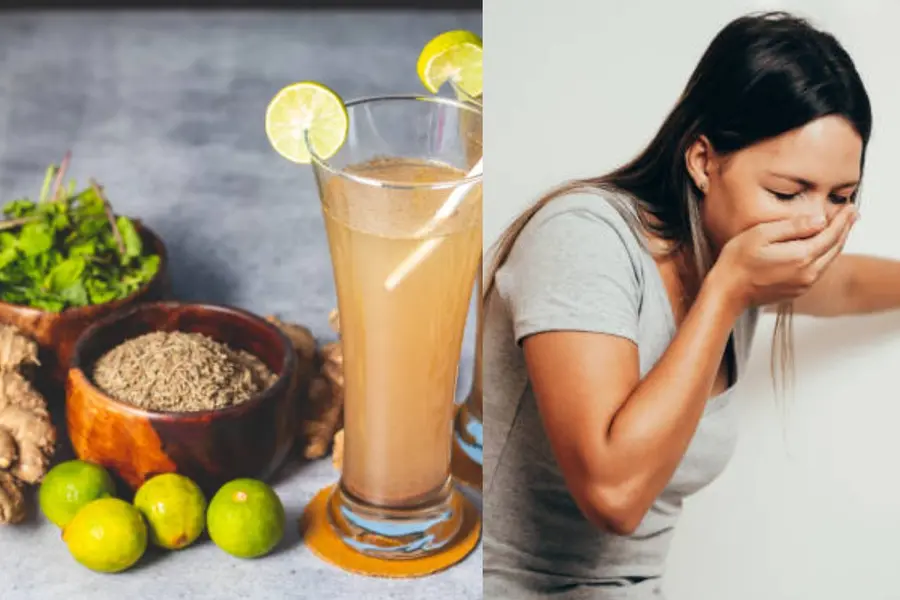
After several days of internal oleation with medicated ghee and external massage, warm herbal infusions trigger controlled emesis. The goal is to expel excess kapha—congestive mucus, undigested fats and environmental toxins lodged in the upper stomach and lungs. Practitioners say patients report lighter breathing, clearer sinuses and a surprising mental lift once nausea subsides.
2. Virechan (Purgation)
Next comes a single-day purge using castor-oil–based herbal laxatives. The flush targets pitta imbalances: acidic residues in the small intestine, sluggish liver bile and skin-heating compounds. Supporters credit the purge for easing acidity, eczema flare-ups and hormone-related breakouts.
3. Basti (Medicated Enemas)
Over five to eight sittings, specially cooked decoctions of sesame-oil, milk, honey and herbal paste are introduced rectally. This step addresses vata derangements lodged in the colon, which Ayurveda links to joint stiffness, menstrual cramps, anxiety and chronic dryness. Because the large intestine houses a major share of the microbiome, clinicians suggest basti may modulate gut bacteria and soothe the enteric nervous system.
4. Nasya (Nasal Oil Therapy)
Warm herbal oils—or in some formulas, dry medicinal powders—are instilled through the nostrils. Traditional sources claim nasya clears the cranial sinuses, lubricates facial nerves, stimulates hair follicles and subtly invigorates cognitive function by improving cerebrospinal fluid flow. Small pilot studies have observed temporary improvements in snoring intensity and perceived stress.
5. Raktamokshana (Bloodletting)
The final stage, performed only when indicated, draws a small quantity of blood using leeches or a fine needle. Classical theory argues that impurities circulating in the blood aggravate psoriasis, stubborn acne and inflammatory arthritis. Though controversial, limited research on controlled micro-phlebotomy shows brief reductions in serum iron and inflammatory markers—mechanisms that could underlie symptom relief in iron-overload or autoimmune states.
Beyond “scrubbing clean”: A neuro-gut perspective
Contemporary Ayurvedic centres emphasise that Panchakarma’s benefit is not just toxin removal but a “neurophysiological reset.” During the three-to-four-week regime, patients follow an anti-inflammatory diet of lightly spiced khichdi, practise gentle yoga and receive daily abhyanga oil massage plus steam baths. Heart-rate-variability readings taken in some clinics show improved vagal tone—a sign of parasympathetic dominance—after completion. Early observational work also suggests lower C-reactive protein, steadier fasting glucose and deeper slow-wave sleep, reinforcing the therapy’s whole-system pitch.
Who should—and shouldn’t—try it
Classical texts recommend Panchakarma at the junction of seasons, when temperature shifts strain immunity. Today it is marketed both as disease management (for arthritis, allergies, metabolic syndrome) and as a preventive “annual service.” Contra-indications include pregnancy, uncontrolled diabetes, severe anaemia and active infections; people on anticoagulants or immunosuppressants must seek medical clearance. The intense regimen can provoke temporary fatigue, loose stools or emotional release, so programs run under inpatient supervision with daily vitals tracking.
Evidence and caveats
Randomised trials are sparse. A 2023 Indian study of 90 adults with functional dyspepsia reported significant symptom decline and improved gastric emptying after a 15-day Panchakarma protocol versus standard antacids. Another small cohort showed reduced IL-6 and TNF-α levels eight weeks post-therapy. Yet critics argue that calorie-restricted diets, digital detox and placebo expectation could explain much of the glow. Long-term safety data remain limited, and bloodletting in untrained hands can cause infection or anaemia.
Bottom line
Panchakarma packages ancient cleansing rituals into a structured retreat that blends massage, mono-diet and five escalating eliminative acts—from vomiting to enemas and, where advised, bloodletting. Proponents say the sequence purges physical waste, resets the gut-brain axis and restores the body’s “cellular intelligence,” yielding clearer skin, smoother digestion and calmer mood. Skeptics counter that rigorous clinical trials are still needed. Anyone intrigued should consult a qualified Ayurvedic physician and ensure the centre follows sterile technique, personalised assessment and post-detox nutrition counselling.
(Note: This article is for information only and does not substitute professional medical advice or treatment.)
Published: 18 May 2025, 09:48 pm IST
Related Topics
Disclaimer: Kindly avoid objectionable, derogatory, unlawful and lewd comments, while responding to reports. Such comments are punishable under cyber laws. Please keep away from personal attacks. The opinions expressed here are the personal opinions of readers and not that of Mathrubhumi.
