

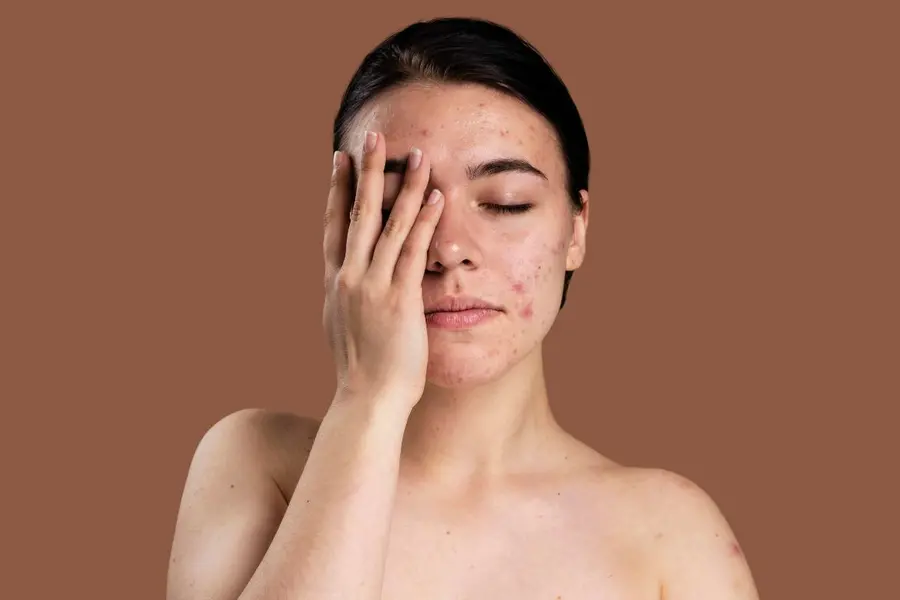
Kozhikode: June is Acne Awareness Month, 30 days dedicated to understanding and addressing one of the most common skin conditions that impact individuals worldwide. Acne Awareness Month serves as a reminder of the importance of education, support, and the accessibility of efficacious therapies for individuals who suffer from acne. This month aims to debunk myths, spread information about causes and treatments, and offer guidance on how to deal with this often upsetting illness.
What is acne? Teenagers are not the only age group affected by acne; people of all ages can get it. It occurs when dead skin cells and oil clog hair follicles, causing inflammation and the development of pimples, blackheads, and cysts. Acne care requires understanding the different types of acne and clearing up common myths.
Myths regarding acne can support unhealthy behaviors and misconceptions about the condition. Acne is often thought to be caused by poor hygiene, triggered by stress, or exacerbated by certain foods, such as oily or chocolate-based foods. In actuality, hormonal fluctuations, heredity, and inflammation, rather than cleanliness, are the main causes of acne.
Speaking on this issue, Dr. Sai Lahari Rachumallu, MBBS, MD(DVL), Associate Consultant, Manipal Hospitals, Bhubaneswar, said that the risk is misinformation and lack of timely, adequate treatment adds to existing woes. “When people try random tactics without consulting a dermatologist, their acne may become worse and worse, causing deeper cysts, becoming more inflamed, and even potentially causing permanent scarring. Acne is not just a cosmetic condition; it is a medical condition that can and should be diagnosed to treat it and plan accordingly (typically with some combination of topical or oral medications or office-based procedures),” she added.
“As always, I recommend speaking with a board-certified dermatologist when it comes to persistent or problematic acne. We offer a precise diagnosis of the specific type of acne, examine its underlying roots to prescribe treatments that are safe, effective, and based on science,” she added.
Myths and Facts: (Inputs from Dr Rachumalla)
Myth 1: Junk food causes pimples
Fact: A high-glycemic diet or dairy can exacerbate acne in some people, but the association between pizza with all the toppings or a chocolate shake and pimples is not widely backed by scientific research. Acne is mostly hormonal, genetic, and related to bacteria, but it’s not because you had a slice of pizza.
Myth 2: Acne is the result of uncleanliness
Fact: Dirt does not cause acne. It’s an inflammatory condition marked by oil glands and hair follicles. Over-washing your face or scrubbing it too hard can strip your skin of its natural protective barrier, which can cause irritation or make breakouts worse. A soft wash twice a day is enough.
Myth 3: You will heal faster if you pop your pimples
Fact: Resist the urge! Popping pimples, or picking at them, can push the infected matter further into the skin, increase inflammation, and greatly raise the risk of infection, permanent redness, and scarring. But it’s always preferable to let pimples heal on their own or get them professionally extracted when necessary.
Myth 4: Acne only affects teenagers
Fact: While acne is a rite of passage for many in their teens, it can strike at any age, even becoming an unwelcome guest for adults into their 30s, 40s, and beyond. Adult-onset acne can have a different appearance and may respond better to different treatment techniques than teen acne.
“If your acne is not responding to over-the-counter medication, you must consult a dermatologist immediately,” she noted.
Are online hacks effective? Speaking of the effectiveness of hacks provided online by social media influencers, Dr. Priyanka Kuri, Consultant - Dermatology, Aster Whitefield Hospital, Bengaluru, said that there are multiple kinds of hacks available these days and need to be addressed one by one.
Below are some of the most popular solutions provided online, which Dr Kuri has spoken of.
1. Using tea tree oil: Tea tree oil helps in reducing oil production to keep your face oil-free. This is a genuine hack, and one can use face washes infused with tea tree oil to check on their acne. However, they are not 100% effective.
2. Using ice: Ice can help relax an inflamed acne. However, it is to be noted that it will cause more dryness on your face. Direct application of ice should be minimal. One can use ice cubes to reduce inflammation, but they should be dabbed on the face only for five seconds.
3. Using Aspirin paste: Using aspirin paste can help reduce inflammation, but it will cause immense irritation on the skin.
4. Using garlic: It's high time people stop spreading this dumb hack because besides irritating, the usage of garlic on acne can also burn the spot, leaving behind spots that would take chemical sessions to get rid of. Additionally, lemon, soda, and toothpastes, too, should be avoided.
5. Using face masks: Face masks containing lactic acid have anti-inflammatory properties and can help in reducing acne. One can also add a tiny amount of homemade turmeric for its antiseptic properties. Commercially available turmeric has some chemicals and can cause irritation.
Dr Sai Lahari Rachumallu said that this digital era, informative as it may be, has also turned into a platform for unsolicited and at times dangerous skincare advice.
“I’ve seen people harm their skin by using highly acidic ingredients, such as lemon juice or apple cider vinegar. These ingredients not only cause chemical burns but also dangerously irritate the skin,” she added.
Even ostensibly gentle natural solutions like raw honey or tea tree oil, though they do have some antibacterial properties, are not very effective at actually penetrating the pore and treating acne at its roots, and can be irritating to boot, the doctor said, adding that one must not believe everything related to skincare they consume online.
Published: 10 Jun 2025, 03:21 pm IST
ABOUT THE AUTHOR
Related Topics
Disclaimer: Kindly avoid objectionable, derogatory, unlawful and lewd comments, while responding to reports. Such comments are punishable under cyber laws. Please keep away from personal attacks. The opinions expressed here are the personal opinions of readers and not that of Mathrubhumi.