
Giorgio Armani, the legendary Italian designer who redefined fashion with the modern suit, dressed Hollywood icons, and built a $13 billion lifestyle empire, leaves behind a legacy of elegance, innovation, and cultural influence
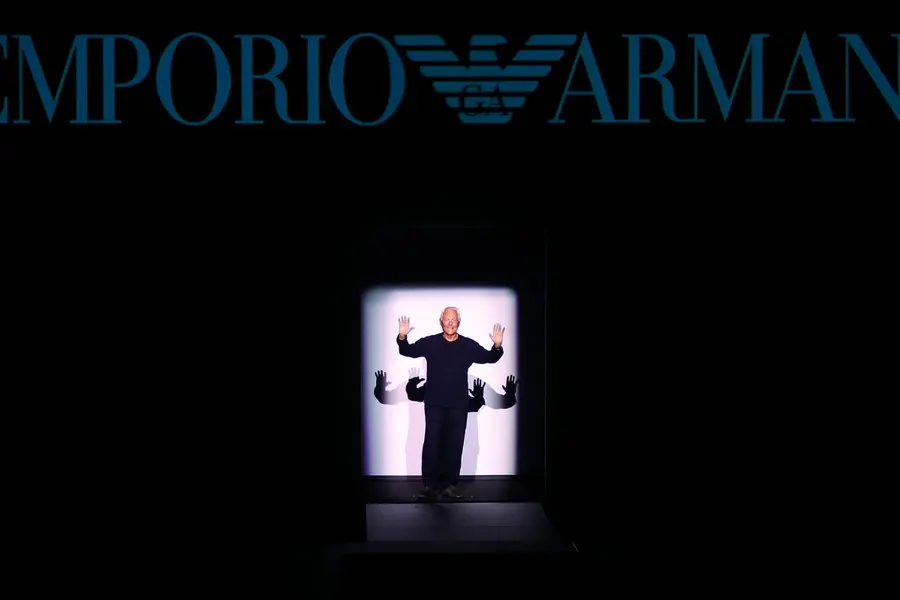
Milan: Giorgio Armani, a stalwart of Milan ready-to-wear who revolutionised fashion with unstructured looks, has died at 91.
For more than six decades, Armani was the face of Italian sophistication. He transformed the global fashion landscape by softening men’s suits and introducing tailored, empowering options for women entering the workforce.
His influence stretched far beyond the runway – from Hollywood red carpets to Olympic uniforms, from perfumes to luxury hotels. Forbes estimated his fortune at $13 billion, but his true legacy was the cultural shift he created in how people dressed and expressed themselves.
Born in Piacenza, northern Italy, on 11 July 1934, Armani’s childhood was marked by the hardships of World War II. He once recalled that his earliest memory was hunger, and an accident with unexploded artillery left him badly burned. “War taught me that not everything is glamorous,” he later said.
Initially studying medicine, Armani abandoned the field and drifted before finding work as a window dresser at Milan’s La Rinascente department store. There, he learned the craft of fabrics and tailoring, developing the keen commercial sense that would define his career. He later worked under designer Nino Cerruti, before striking out on his own with partner Sergio Galeotti in the 1970s.
Together, Armani and Galeotti built a fashion empire from modest beginnings. Their big break came with Hollywood: Richard Gere’s head-to-toe Armani wardrobe in American Gigolo (1980) turned the designer into a household name. Soon, Armani was dressing Oscar winners and producing costumes for films like The Untouchables and Miami Vice. Milan itself rose as a global fashion capital in no small part due to his influence.
Armani’s designs resonated with a changing society. For men, his relaxed tailoring replaced rigid, boxy suits with softer lines that suggested sophistication without stiffness. For women, his elegantly cut jackets and trousers became a statement of confidence and equality in the workplace. Newspapers hailed him as the “first post-modern designer,” and critics credited him with revolutionising 20th-century fashion much like Coco Chanel before him.
Despite Galeotti’s death from an AIDS-related illness in 1985, Armani expanded his empire with fragrances, jeans, eyewear, cosmetics, and even hotels. He remained fiercely independent, resisting buyouts and retaining control of his brand. By the 2000s, Armani had become both a billionaire businessman and a symbol of understated luxury.
His commitment to discipline and precision never wavered. Known for his minimalist personal style and daily swimming routine, Armani once admitted: “I’m never satisfied. As someone obsessive in the search for perfection, I never give up until I’ve achieved the results I want.”
Giorgio Armani’s work was not merely fashion – it was a reflection of social progress, a merging of elegance and empowerment. In reshaping how the world dressed, he shaped how it saw itself.
Published: 04 Sept 2025, 08:11 pm IST
Related Topics
Disclaimer: Kindly avoid objectionable, derogatory, unlawful and lewd comments, while responding to reports. Such comments are punishable under cyber laws. Please keep away from personal attacks. The opinions expressed here are the personal opinions of readers and not that of Mathrubhumi.
