
The Karnataka Food Safety and Standards Authority of India (FSSAI) has identified 31 unsafe snack items manufactured in Kerala and sold in border areas, including Kodagu district.
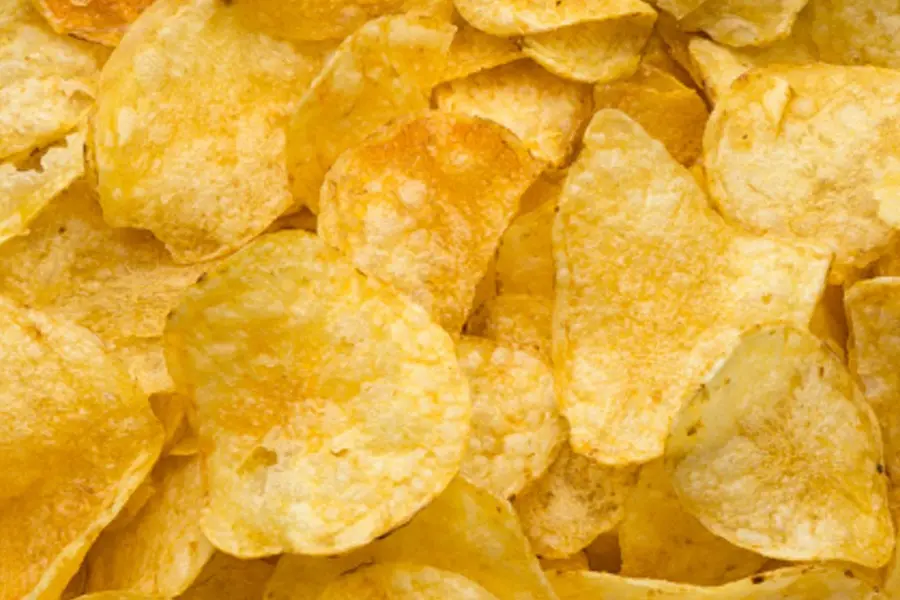
According to media reports, the department had conducted tests on as many as 90 samples collected from popular snacks like spicy mixtures, chips, halwa, murukku, and dried fruits sourced from Kerala. Some samples contained artificial colours such as Sunset Yellow, Allura Red, Azorubine, and Tartrazine.
The department raised concerns that these products may also be distributed to other districts, including Kasaragod, Dakshina Kannada, and Bengaluru, urging expanded testing. The FSSAI also flagged hotels and shops for selling potentially unsafe snacks.
Furthermore, Karnataka is said to have written to the Kerala Government to look into the matter. The snacks were supplied to Karnataka districts including Mysuru, Chamarajanagar, Kodagu, Madikeri, Dakshina Kannada, and Mangaluru.
Dangers of Artificial food colours
Artificial food colours like Sunset Yellow, Allura Red, Azorubine, and Tartrazine have been linked to potential health risks, particularly when consumed in large quantities or over time. Some studies suggest that these dyes can contribute to hyperactivity in children, with Tartrazine and Sunset Yellow being most commonly associated with behavioural issues. Additionally, certain individuals may experience allergic reactions such as hives, asthma, or even anaphylaxis, particularly with Tartrazine. There are also concerns about the long-term consumption of these dyes leading to carcinogenic effects, though the evidence is inconclusive, and regulatory bodies have not classified them as carcinogenic.
Despite these risks, artificial food colours are still commonly used in many processed foods, though regulations vary by region. In Europe, dyes like Tartrazine are required to carry a warning label about potential hyperactivity in children, while in the U.S., they are generally considered safe within approved limits.
Published: 11 Nov 2024, 02:57 pm IST
Related Topics
Disclaimer: Kindly avoid objectionable, derogatory, unlawful and lewd comments, while responding to reports. Such comments are punishable under cyber laws. Please keep away from personal attacks. The opinions expressed here are the personal opinions of readers and not that of Mathrubhumi.
