

Contrary to popular belief, Ayurveda considers curd as heat-inducing. Learn why it`s best avoided at night and how to consume it correctly.
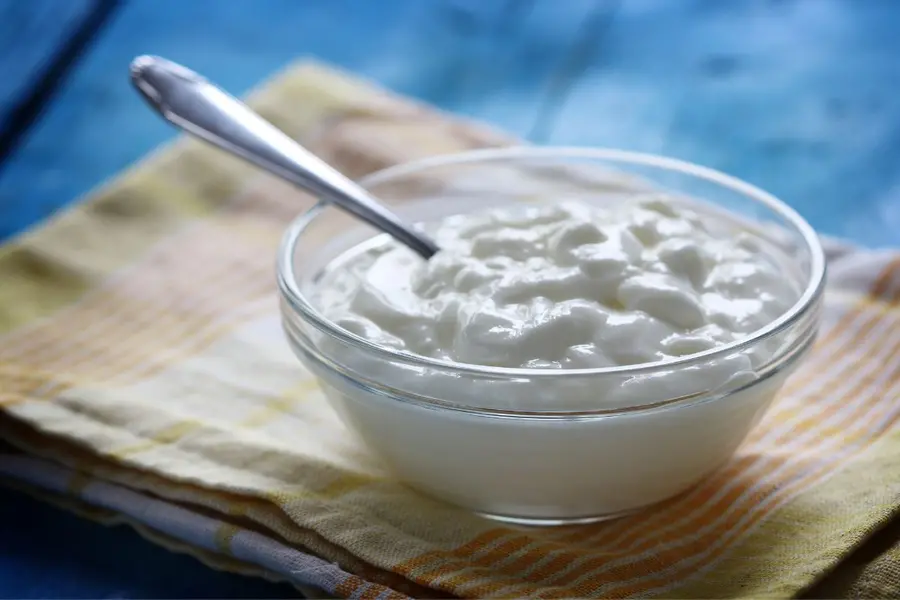
For most of us growing up in India, curd or ‘dahi’ has been the go-to home remedy to beat the summer heat. Whether it was a bowl served with rice or a ‘lassi’ gulped down after lunch, the idea that curd is “cooling” has been passed down like sacred wisdom. And who hasn’t been warned by elders not to eat curd at night ‘lest you catch a cold’?
Ayurveda, India’s ancient system of medicine, says this too. But there’s a catch.
Curd is hot, not cool
“Though it is not cool in nature, curd actually increases Kapha, which means it can lead to excess mucus and respiratory issues,” explains Dr Nayana M, founder of Dear Maa, a wellness centre in Kottaikkal.
According to classical Ayurvedic texts and Sushruta Acharya, curd is heavy to digest, unctuous or greasy, hot in potency, obstructive, causing clogging of bodily channels.
“Because it vitiates Kapha and diminishes both Vata and Pitta, consuming curd at night when the body’s digestive fire is already weaker can worsen respiratory conditions and increase phlegm,” adds Dr Nayana.
(In Ayurveda, Vata, Pitta, and Kapha are the three main body humors, called doshas, that control how your body and mind work.)
Why Ayurveda says no to eating curd daily
While modern nutrition celebrates curd for its probiotic properties, Ayurveda urges caution. Dr Nayana notes that curd should not be a staple every day or year-round.
"Curd should not be consumed daily. It’s contraindicated in Vasant (spring) and Sharad (autumn) seasons, and especially at night,” she says. “And it should never be eaten alone, it must be paired with sugar, ghee, amla, honey, or green gram to balance its effects.”
Dr Nayana further explains that curd has “Mahabhishyandi” properties, meaning it causes excessive secretions in the body aggravating conditions like sinusitis, cold, and asthma.
Curd’s ‘dosha’ impact
Because curd lowers Vata, it can bring calm and grounding but only when consumed correctly. Misuse may lead to weight gain, digestive issues and sluggishness, especially if your constitution already leans toward Kapha-Pitta dominance.
Still want your ‘dahi’ daily?
If you love curd and want to keep it in your diet:
- Eat it in moderation
- Avoid nighttime consumption
- Switch to spiced buttermilk (takra) during summer
- Never eat it heated
- Use it as a side, not a meal replacement
“People often confuse taste with effect,” says Dr Nayana. “Curd may feel cool on the tongue, but inside the body, it acts very differently.”
So before you reach for that bowl of dahi thinking it will beat the heat remember, Ayurveda recommends timing, pairing, and moderation. Otherwise, you might just be inviting more heat and heaviness into your system.
Published: 22 Jul 2025, 03:07 pm IST
ABOUT THE AUTHOR
Related Topics
Disclaimer: Kindly avoid objectionable, derogatory, unlawful and lewd comments, while responding to reports. Such comments are punishable under cyber laws. Please keep away from personal attacks. The opinions expressed here are the personal opinions of readers and not that of Mathrubhumi.