
Extramarital dating apps are gaining traction in India, with a 148 percent surge in women users over two years
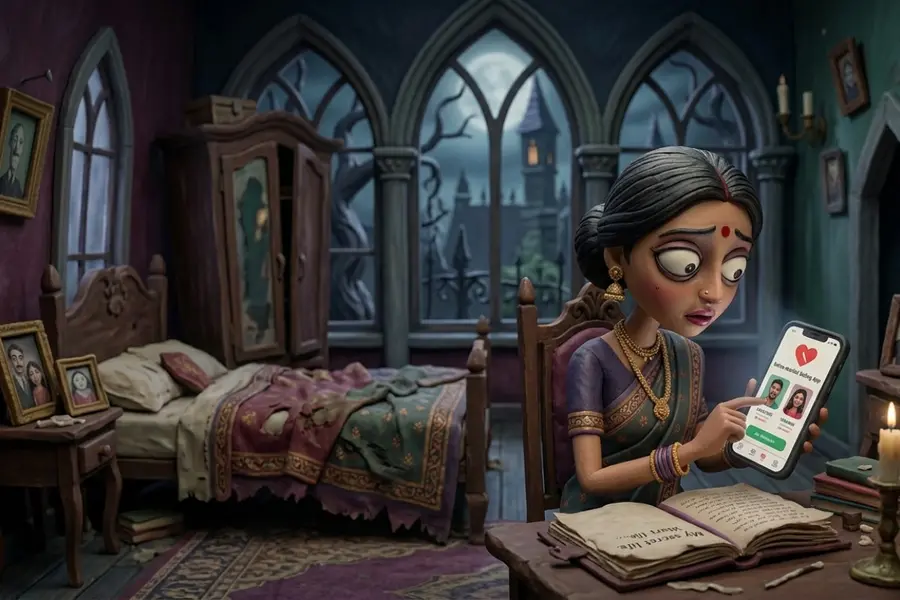
Is the definition of marriage changing in India? India’s idea of love has always been rooted in loyalty and long-term commitment. Dating apps, especially those focused on extramarital relationships, are now reflecting a shift in how people approach love.
One such platform, Gleeden, has now crossed 4 million users in India. And while that number alone is striking, what’s really making people pause is something else. There has been a 148 percent surge in women joining the app over the past two years.
Also Read

Men still make up the majority at 65 percent, with women at 35 percent. But clearly, women are no longer just watching from the sidelines.
So what is driving this shift?
In cities like Bengaluru and Mumbai, many women seem to be choosing a mix of stability and excitement. They may still value security in their primary relationships, but at the same time, they are exploring connections elsewhere for emotional or personal fulfilment.
This does not necessarily mean dissatisfaction. It often points to changing expectations from relationships and a stronger sense of individual choice.
It is not always about trouble in marriage
When people hear about extramarital affairs, the assumption is often that something has gone wrong. But the reality appears more layered.
According to a 2025 IPSOS survey, about 33 percent of people say they simply do not have enough time for themselves. Between demanding jobs and family responsibilities, personal space becomes rare.
This idea of “time poverty” is turning out to be a major factor. For many, these apps are less about breaking relationships and more about finding a small escape. Something as simple as logging in during a lunch break can offer a brief moment of excitement in an otherwise routine day.
Old stereotypes are fading
For a long time, affairs were seen as something mostly associated with men. That idea does not seem to hold anymore.
The data shows that 43 percent of men and 42 percent of women admit to having emotional or physical relationships outside marriage. That is almost equal.
It suggests a clear cultural shift. Women today appear more willing to acknowledge their needs and act on them. Interestingly, nearly half of those surveyed also admitted to having fantasies. It does make you wonder whether the traditional idea of marriage is quietly evolving.
Where is this happening the most?
Unsurprisingly, metro cities like Bengaluru and Hyderabad lead the trend. But it is not just big cities anymore. Places like Lucknow and Surat are also catching up.
The timing of app usage is interesting too. Most people log in between noon and 3 pm or late at night between 10 pm and midnight. These are moments when people are either taking a break from work or winding down after the day.
Preferences also reveal a lot. Men tend to look for younger partners, usually women between 25 and 30 years old. Women, on the other hand, often prefer more established professionals such as doctors and chartered accountants in their 30s and 40s. Even in these situations, stability and financial security still matter.
Technology is making it easier
It is hard to ignore the role of technology in all of this. With smartphones and social media, connecting with someone new has become incredibly easy.
More than 60 percent of people believe that the ease of online flirting has contributed to the rise in infidelity. These platforms offer a sense of privacy and convenience, which makes them appealing to those looking for discreet connections.
For some, it is about emotional companionship. For others, it is curiosity or the thrill of something new. Either way, technology has clearly made the “exit door” much easier to find.
So, what does this say about modern relationships?
As the stigma around such platforms slowly reduces and user numbers continue to grow, it is becoming clear that ideas around love and commitment are shifting.
This does not necessarily mean that people value relationships any less. Instead, it suggests that expectations are changing. People are looking for emotional connection, personal space, and fulfilment in ways that may not always fit into traditional definitions.
Published: 04 Apr 2026, 03:08 pm IST
Related Topics
Disclaimer: Kindly avoid objectionable, derogatory, unlawful and lewd comments, while responding to reports. Such comments are punishable under cyber laws. Please keep away from personal attacks. The opinions expressed here are the personal opinions of readers and not that of Mathrubhumi.