
This guide explains how to treat acne and resulting dark spots. It emphasizes a consistent skincare routine including sun protection, treatments for active breakouts, and pigmentation fading
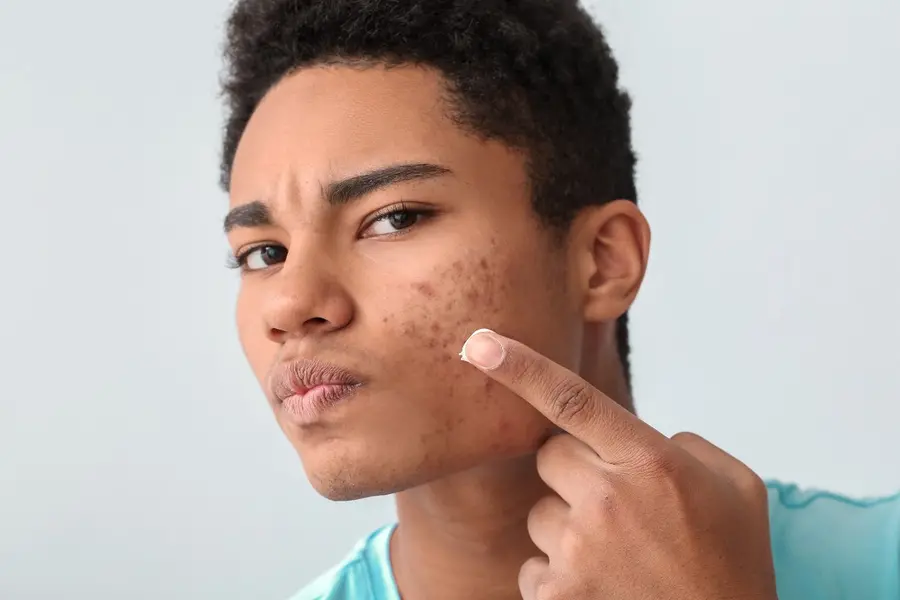
Dealing with acne is hard enough, but the journey often doesn't end once those frustrating breakouts subside. For many, the dark spots that remain, known as post-inflammatory hyperpigmentation (PIH), can feel just as distressing.
But the good news? With the right approach and a little patience, you can work your way to clear, even-toned skin.
Getting started: A few skincare basics
When you're looking to treat both acne and the pigmentation it leaves behind, it all begins with understanding the basics. Here are some key principles to keep in mind:
Consistency is key: Following a regular skincare routine that suits your skin type and concerns is essential.
Sun protection is non-negotiable: Make sunscreen your best friend. A broad-spectrum SPF 40 (or higher) every day can help prevent new pigmentation and stop current spots from getting worse.
Be patient: Clear skin doesn't happen overnight. Acne can take weeks to calm down, and dark spots may take months to fade.
Treating acne and fading dark spots: What you can do
You might need different strategies for active breakouts versus those lingering dark patches.
For acne
Over-the-counter options: Go for products that include ingredients like salicylic acid (helps unclog pores) or benzoyl peroxide (fights acne-causing bacteria and reduces inflammation).

Prescription topicals: Your dermatologist might prescribe topical retinoids (like tretinoin), topical antibiotics, or other anti-acne treatments.
Oral medications: In more severe cases, your doctor might suggest oral antibiotics, hormonal therapy, or Isotretinoin.
Professional treatments: In-clinic options like chemical peels, extractions, or light therapy can also make a big difference.
For pigmentation (dark spots)
Brightening ingredients: Look for skincare products containing Vitamin C (reduces melanin production), Niacinamide (helps reduce pigment transfer), or AHAs like glycolic acid (encourages exfoliation and cell renewal).
Sun protection again: Honestly, you can't hear it enough. Sunscreen is key.
Dermatologist-backed procedures: You might consider chemical peels, microdermabrasion, or even laser therapy for those especially stubborn marks.The role of Tretinoin Cream (Tretin 0.025% Cream)
When it comes to a treatment that handles both acne and pigmentation, Tretin 0.025% Cream is often recommended by dermatologists. It contains tretinoin, a topical retinoid derived from Vitamin A.
How it works
For acne: Tretinoin speeds up skin cell turnover, which helps clear away dead skin cells, reduces inflammation, and unclogs pores, making it a powerful ally against acne.
For pigmentation: By accelerating the skin's renewal process, tretinoin fades pigmented cells more quickly. It can also reduce melanin production over time, helping even out skin tone. Bonus: it boosts collagen, improving skin texture.
The 0.025% strength is a common starting point, allowing the skin to adapt gradually.
A few important things to know
Prescription only: This is not a cream to use casually. It's a prescription medication and should only be used under the supervision of a qualified doctor, ideally a dermatologist.
Expect a transition period (aka Purging): You might see some redness, dryness, peeling, or even an increase in breakouts at first. This phase is totally normal and usually passes. Your doctor might advise starting slowly and using a gentle moisturiser.
Sun sensitivity alert: Tretinoin makes your skin more sensitive to UV rays, so daily sunscreen is a must, even if you're indoors near windows.
How to apply
Start by using a pea-sized amount on clean, dry skin at night. Use it 2-3 times a week to begin with and build up as your skin adjusts. Avoid applying near sensitive areas like eyes, mouth, or nose corners unless told otherwise.
It's usually not advised during pregnancy or breastfeeding and may not suit all skin types. Always check with your doctor.
Just remember, patience is part of the process. And with the guidance of a good dermatologist, you’re well on your way to smoother, brighter, more confident skin.
Published: 27 Jun 2025, 10:06 pm IST
Related Topics
Disclaimer: Kindly avoid objectionable, derogatory, unlawful and lewd comments, while responding to reports. Such comments are punishable under cyber laws. Please keep away from personal attacks. The opinions expressed here are the personal opinions of readers and not that of Mathrubhumi.
