
Hindi cinema is very different from Malayalam, Tamil, or Telugu cinema. The success formula there can be summed up in one word — “entertainment.”
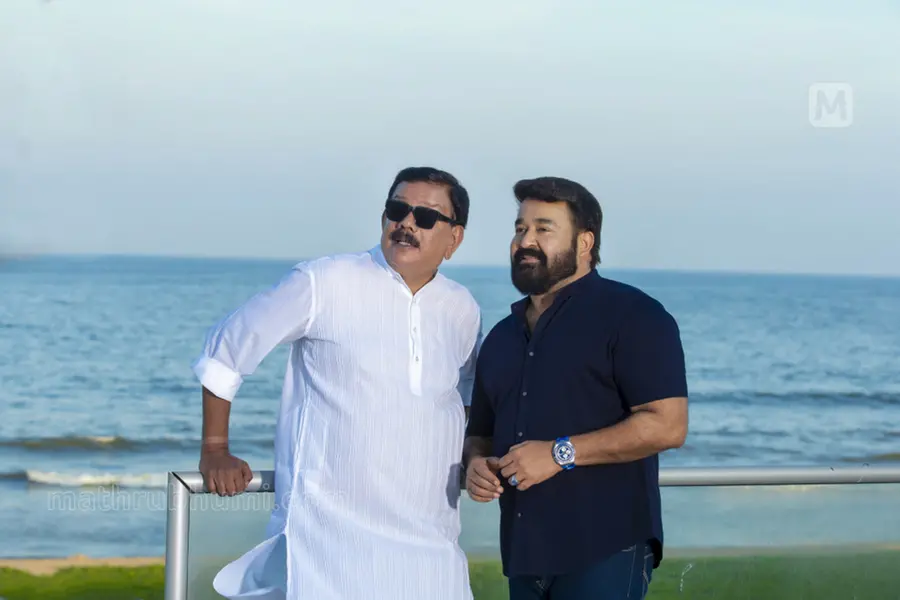
Director Priyadarshan speaks about the massive success of Bhooth Bangla, his reunion with Akshay Kumar, journey towards 100th film, and reconnecting with former partner in life.
Let’s begin with Bhooth Bangla, which is shaking theatres and racing into the ₹100-crore club…
It feels wonderful that by 2026 mid, my film has become one of India’s biggest hits of the year. Out of the eight films I’ve done with Akshay Kumar, seven were hits. Then came a gap of 14 years. Until recently, I believed my Hindi film career was over.
Whenever I go through difficult phases, a friend who stands by me saying, “Come, let’s make a film together,” is Mohanlal. In Hindi cinema, Akshay Kumar is someone with whom I share a similar bond. We had been discussing a film together for a while. Some stories I liked didn’t appeal to him, and some ideas he preferred didn’t work for me, so the project kept getting delayed.
From the beginning, I was clear that if I returned to Hindi cinema after such a long break, it should not be a remake. We discussed many stories and finally decided to attempt a genre I had never explored before — a horror-comedy thriller.
Malayalam and Hindi audiences have very different tastes. Is understanding both what helped you succeed in both industries?
Hindi cinema is very different from Malayalam, Tamil, or Telugu cinema. The success formula there can be summed up in one word — “entertainment.” Films that entertain audiences become timeless hits in Bollywood.
Malayalam cinema, on the other hand, is often evaluated through the lens of education, social awareness, and knowledge of world cinema. If you make Hindi films based on Malayalam audience sensibilities, you won’t succeed there. Their expectations are different.
Every region has its own taste, and understanding that is the key. A large section of North Indian audiences watches films thinking about whether it is worth their ticket money. Whether the story moves through humour, romance, revenge, emotion, or conflict, the film ultimately has to entertain them. Logic matters less there. People don’t usually dissect the politics, social layers, or deeper values of a story. The important thing is whether you can convincingly tell the story. Perhaps that understanding is why I’ve survived there.
You are now preparing for your 100th film. What memories come rushing back at this moment?
No human being is free from gratitude. There are several people I remember with deep gratitude. The first is Navodaya Appachan, who placed ₹500 in my hand and introduced me to cinema.
The second face that comes to mind is Aroma Mani, who called me back when I had almost quit cinema and was preparing to return to studies after a mental breakdown. I still remember writing films like Kuyiline Thedi and Engane Nee Marakkum. I also owe a great deal to G. Sureshkumar, who dreamed of cinema with me and worked hard to make me a director.
When my initial attempt in Hindi cinema failed, it was Goodnight Mohanan who encouraged me to rise again. He motivated me to make another Hindi film. I had the Hindi remake rights of Kireedam. He suggested adapting it to a Hindi backdrop and modifying the story accordingly. We shifted the village setting into an urban backdrop, and the film became Gardish. It succeeded and opened a path for me in Hindi cinema. I remain indebted to all of them.
Isn’t it difficult to survive this long with consistent success?
The only thing that sustains a person in cinema is success. The industry moves forward on the theory that those who succeed deserve to remain. I’m happy that I’ve been able to make films that entertain audiences through all these years.
Of course, there have been criticisms. Not every film will appeal to everyone. Most of the time, I tried to make films that a larger audience would enjoy. Very few films were made solely based on my personal interests without thinking about commercial success. Kaalapani, Sila Nerangalil, and Kanchivaram are among the films closest to my heart. The only way to survive is to constantly reinvent yourself according to changing times.
The hero of your first film, Mohanlal, is also leading your 100th film…
More than completing 100 films, what makes me happiest is that the hero of my very first film is also the lead of my 100th film. Perhaps that itself is something unique in cinema history.
Discussions about the film are progressing. For now, all I can say is that it will be a feel-good musical drama that both family audiences and Mohanlal fans can equally enjoy. Deep inside, I also wish that everyone who worked on my first film — including the producer — becomes part of my 100th film too.
About the important personal decision you made recently…
There is one thing every human being desires in life — beautiful endings. It is the later years that need to be better than the earlier years, and very few people would wish otherwise. No one moves forward without ups and downs.
After a certain phase in life, ego and boredom entered our marriage, and we felt separation was the better option. After some time, we realised we missed each other. So we reunited. Companionship is always necessary.
Published: 24 May 2026, 08:56 am IST
Related Topics
Disclaimer: Kindly avoid objectionable, derogatory, unlawful and lewd comments, while responding to reports. Such comments are punishable under cyber laws. Please keep away from personal attacks. The opinions expressed here are the personal opinions of readers and not that of Mathrubhumi.
