
With over 30 high-profile figures killed by unknown assailants, the group’s operational structure is crumbling. Internal morale is at an all-time low, with cadres questioning the leadership's competence and the Pakistani establishment's failure to provide security.
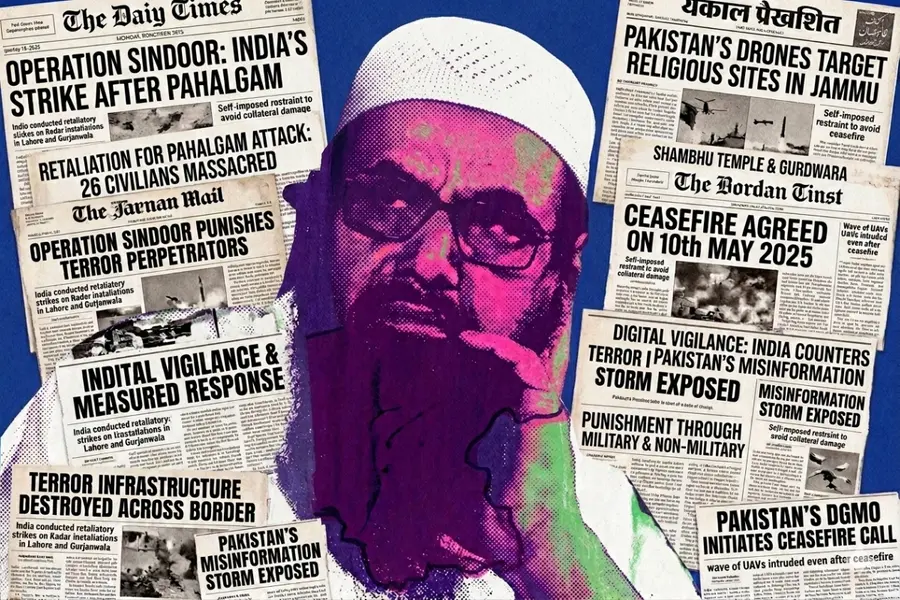
New Delhi: The terrorist organisation Lashkar-e-Tayiba is grappling with a burgeoning leadership vacuum as a series of targeted assassinations further destabilises a group already reeling from the tactical losses of Operation Sindoor.
The recent death of Sheikh Afridi, a prominent lieutenant to the group's founder Hafiz Saeed, marks the latest in a string of high-profile eliminations. Afridi was reportedly intercepted and killed by unidentified assailants in Khyber Pakhtunkhwa. His death follows a recurring phenomenon in 2026, where over 30 senior figures within both Lashkar-e-Tayiba and Hizbul Mujahideen have been executed by unknown gunmen across Pakistan, including in Lahore, Sindh, and Karachi.
Intelligence officials noted that the perpetrators of these strikes remain "completely off the radar," with local security agencies failing to apprehend any suspects.
A Fragile Command Structure
The organisation currently lacks a robust operational figurehead to coordinate its activities. Analysts point out that Hafiz Saeed’s advanced age has limited his leadership capacity, while Zaki-ur-Rehman Lakhvi has largely withdrawn from active duties.
Earlier this month, the group’s recruitment and ideological pipeline suffered another setback when Amir Hamza, a key mentor responsible for radicalising new members, was targeted in a shooting. With Hamza sidelined and Afridi—who managed operations in Jammu and Kashmir—now dead, the "inner circle" of decision-makers has significantly diminished.
Internal Dissent and Eroding Trust
The fallout from Operation Sindoor has reportedly triggered a "major trust deficit" among the rank and file. Cadres have begun to question the leadership after the Indian armed forces exposed the group’s vulnerabilities, contradicting the "tall promises" made during their recruitment.
Questions regarding Saeed's commitment to his followers have also surfaced. As the leader remains largely out of public view to ensure his own safety, subordinates have expressed concern over their own lack of security.
"They question that if top commanders, recruiters and ideological heads can be gunned down with ease, then where is the guarantee of their security?" an official observed.
Establishment Under Scrutiny
The resentment extends to the Pakistani security establishment. Despite assurances from the ISI and the Pakistan Army, the destruction of training camps by Indian forces and the inability to protect senior leaders on Pakistani soil have left the establishment "exposed."
Intelligence agencies warn that the ISI and Pakistan Army are currently desperate to restore the morale of these terrorist groups. Authorities believe Pakistan may attempt to orchestrate a significant operation on Indian soil to rebuild the "trust factor" among cadres and provide a diversion from its own mounting internal crises.
IANS
Published: 29 Apr 2026, 02:30 pm IST
Disclaimer: Kindly avoid objectionable, derogatory, unlawful and lewd comments, while responding to reports. Such comments are punishable under cyber laws. Please keep away from personal attacks. The opinions expressed here are the personal opinions of readers and not that of Mathrubhumi.
