
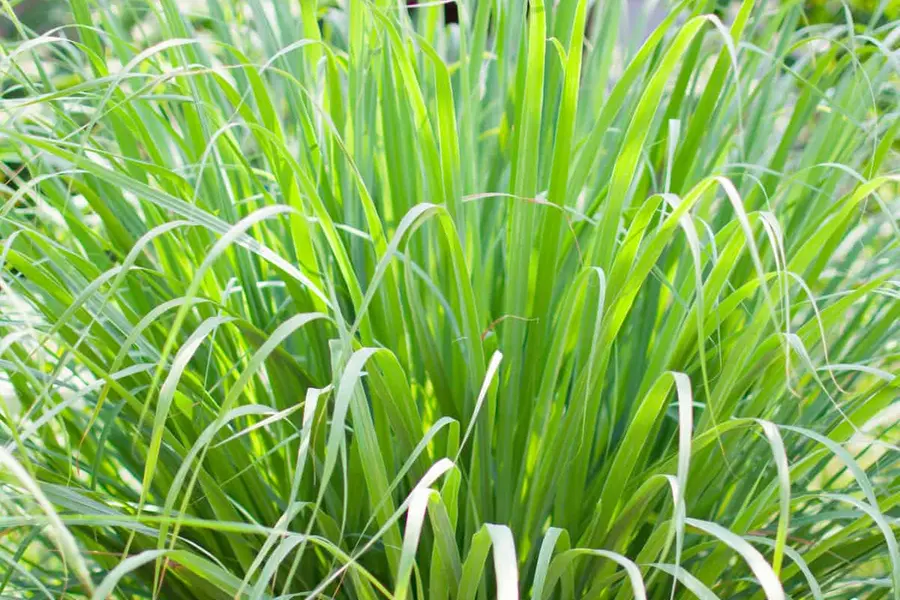
Kochi: Ernakulam Krishi Vigyan Kendra (KVK) of ICAR-Central Marine Fisheries Research Institute (CMFRI) has launched new initiatives to revive lemon grass cultivation and distillation in Kerala's Ernakulam district. This move aims to restore the district's once-flourishing lemon grass industry.
A significant breakthrough was achieved with the successful testing of a reaper designed to harvest the crop, effectively addressing the critical issue of manpower shortage that had hampered lemon grass cultivation. This accomplishment was a collaborative effort involving Kerala Agricultural University and Kerala Agro Machinery Corporation Ltd (KAMCO).
Trials conducted at the Aromatic and Medicinal Plants Research Station in Odakkali confirmed the suitability of KAMCO’s KR120H model reaper for lemon grass harvesting. This model can efficiently harvest one acre of lemon grass per hour.
“In the next phase, the KVK plans to demonstrate varieties Sugandhi and Krishna from the KAU and Lucknow-based CSIR-Central Institute of Medicinal and Aromatic Plants (CIMAP) respectively, in farmers’ fields,” said Dr. Shinoj Subramanian, Head of Ernakulam KVK.
Additionally, KVK will collaborate with the Bengaluru Research Centre of CSIR-CIMAP to establish a lemon grass distillation unit under their Aroma Mission, a nationwide initiative by the CSIR. This will be followed by the production of various value-added products from lemon grass, including soap, mosquito repellents, fumigants, room fresheners, and car fresheners, which will be branded to enhance market penetration.
These initiatives aim to ensure better income for farmers and promote sustainable farming practices. The eastern region of Ernakulam district once had a rich history of lemon grass cultivation and distillation, and CMFRI expects this initiative to mobilize farmers, farmer collectives, self-help groups, Kudumbashree units, and societies to participate in the project.
Lemon grass cultivation thrives in areas with ample sunlight and good drainage. The first harvest can be obtained three months after planting, with subsequent harvests every two months. IANS
Published: 05 Aug 2024, 07:58 pm IST
Related Topics
Disclaimer: Kindly avoid objectionable, derogatory, unlawful and lewd comments, while responding to reports. Such comments are punishable under cyber laws. Please keep away from personal attacks. The opinions expressed here are the personal opinions of readers and not that of Mathrubhumi.