
Ghost stories have a way of staying with us, especially those about spirits who cannot leave the world of the living. In Japanese folklore, these restless souls have a name of their own.
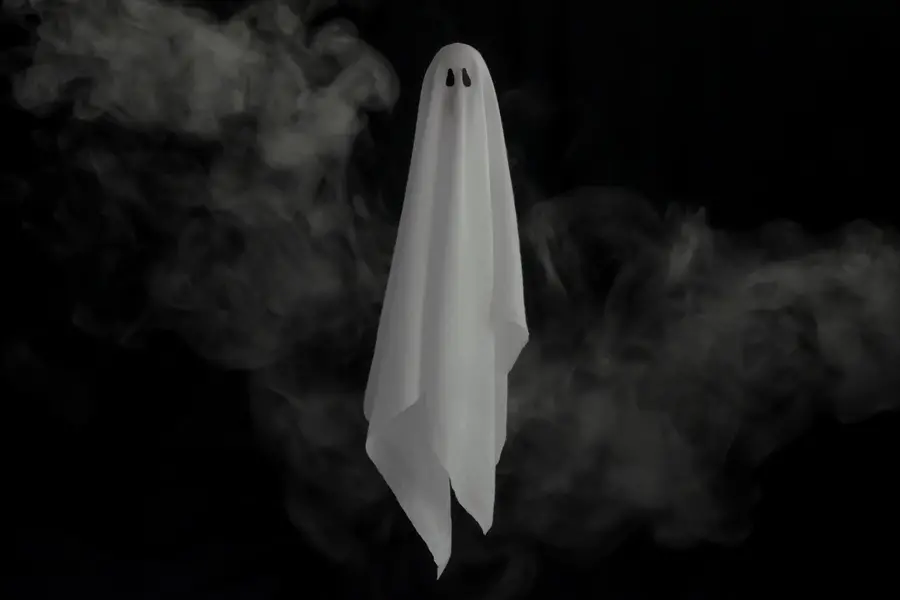
Word of the Day: YUREI
Pronunciation: Japanese: Yū-rei (ゆうれい)
English approximation: Yoo-ray
Meaning
Yūrei (noun) refers to the ghost or spirit of a deceased person in Japanese folklore. According to traditional beliefs, a person's spirit may remain among the living because of unresolved emotions, an unfinished duty or improper funeral rites. The word is often translated as 'ghost' or 'spirit of the dead'.
Also Read

Examples in daily use
- The horror film features a yūrei who returns to settle an old score.
- The museum displayed traditional paintings of yūrei from Japan's Edo period.
- She became interested in Japanese folklore after reading stories about yūrei
- The old ghost story describes a yūrei who continues to visit the place where she died.
Origin and history
Yūrei comes from the Japanese characters 幽霊. The first character, yū (幽), suggests something faint, dim or hidden, while rei (霊) means spirit or soul. Together, they are commonly interpreted as 'faint spirit' or 'dim spirit'.
The concept has a long history in Japan. According to religious historian Koyama Satoko, the word appeared in a written Buddhist prayer in 747, referring to the soul of a deceased person. Its meaning and cultural associations changed over the centuries.
By the early modern period, yūrei had become increasingly associated with ghosts who appeared to the living, including those driven by grief or resentment.
Also Read: Word of the Day, October 30: ‘Widdershins’
Cultural significance and modern usage
Yūrei occupy an important place in Japanese folklore, theatre, art and horror films. They are often depicted wearing white burial clothes, with long, untied black hair and hands hanging loosely from their wrists. Some traditional illustrations show them without visible feet, making them appear to float above the ground.
Not every yūrei is believed to be dangerous or vengeful. Some stories describe spirits returning because of love, sorrow or a promise they could not fulfil. Others focus on anger and the desire for revenge.
The figure has also influenced modern Japanese horror cinema. Films such as ‘Ring’ and ‘The Grudge’ brought versions of the traditional ghost image to international audiences.
Interesting facts
Yūrei generally refers to the spirits of deceased humans, while yōkai is a broader term for supernatural creatures and strange phenomena in Japanese folklore.
The stories of Oiwa, Otsuyu and Okiku are known collectively as the Three Great Yūrei of Japan.
The traditional white robe is associated with burial clothing in Japan.
Ghost stories are particularly popular during the Japanese summer, and the Obon period is associated with welcoming and honouring ancestral spirits.
Examples from literature
- “Yurei is the Japanese word for ‘ghost.’”— Yurei Attack! The Japanese Ghost Survival Guide – Hiroko Yoda and Matt Alt
Synonyms
- Ghost
- Spirit
Read more Word of the Day here
Published: 31 Oct 2026, 10:36 am IST


ABOUT THE AUTHOR
Related Topics
Disclaimer: Kindly avoid objectionable, derogatory, unlawful and lewd comments, while responding to reports. Such comments are punishable under cyber laws. Please keep away from personal attacks. The opinions expressed here are the personal opinions of readers and not that of Mathrubhumi.