
Word of the Day: Versatile
Pronunciation: UK /ˈvɜː.sə.taɪl/ US /ˈvɝː.sə.t̬əl/
Meaning
Versatile describes someone who can do many different things well or adapt easily to different situations. It can also describe something that has several uses or can work well in different settings.
Examples for daily usage
- She is a versatile writer who can work on both news stories and creative features.
- A white shirt is one of the most versatile pieces in any wardrobe.
- This pan is surprisingly versatile and can be used for frying, baking and roasting.
Origin and history
Versatile entered English around the beginning of the 17th century. It comes from the Latin word ‘versatilis’, meaning turning, moving or capable of turning easily. The Latin word is related to ‘versare’, meaning to keep turning or turn something over, which in turn comes from vertere, meaning to turn.
Interestingly, the word did not begin with the strongly positive meaning it usually has today. Early uses of versatile referred to someone or something that was changeable, inconstant or unsteady.
By the mid-17th century, the word had developed the sense of being able to move easily from one subject or activity to another. Its use for people in the modern sense became established later.
Also Read: Word of the Day, September 09: ‘Capricious’
Cultural significance and modern usage
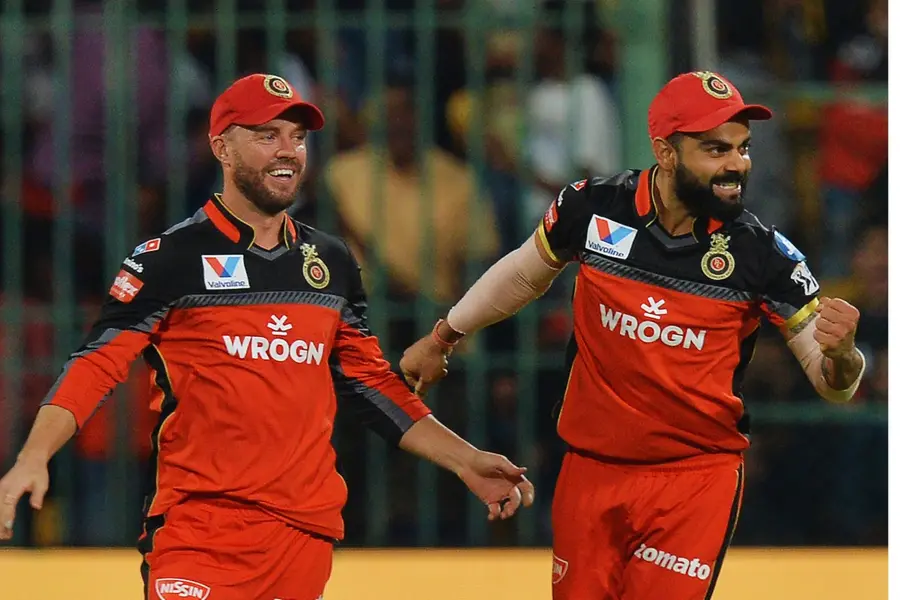
Today, versatile is usually a word of praise. Calling someone versatile suggests that they have a broad range of skills and can adjust when circumstances change. It is commonly used for actors, musicians, writers, athletes and professionals who can take on different roles.
The word is not limited to people. We often describe clothes, gadgets, recipes, tools and even materials as versatile when they can be used in several ways.
Interesting facts
Versatility, the noun form of versatile, has been recorded in English since the 18th century. It initially referred to changeability or fickleness before developing the modern meaning of having the ability to do many different things.
The word is also used in fields such as music, sport, fashion and technology. A versatile actor may move between different kinds of roles, while a versatile player can perform effectively in more than one position.
The opposite of versatility is often described through words such as inflexibility, rigidity or specialisation, depending on the context.
Examples from literature
- “...a very active, and somewhat versatile disposition...” — Memoirs of the Author of A Vindication of the Rights of Woman by William Godwin.
- “...if he continues to be versatile it will only be from choice.” — An Edinburgh Eleven by J. M. Barrie.
Synonyms
- Adaptable
- Multifaceted
- Flexible
- Resourceful
- All-round
Antonyms
- Inflexible
- Rigid
- Limited
- Unadaptable
- Specialised
Read more Word of the Day here.
Published: 10 Sept 2026, 10:59 am IST
ABOUT THE AUTHOR

Related Topics
Disclaimer: Kindly avoid objectionable, derogatory, unlawful and lewd comments, while responding to reports. Such comments are punishable under cyber laws. Please keep away from personal attacks. The opinions expressed here are the personal opinions of readers and not that of Mathrubhumi.