
Some words have a story that is more interesting than you might expect. Today's word is kleptomania.
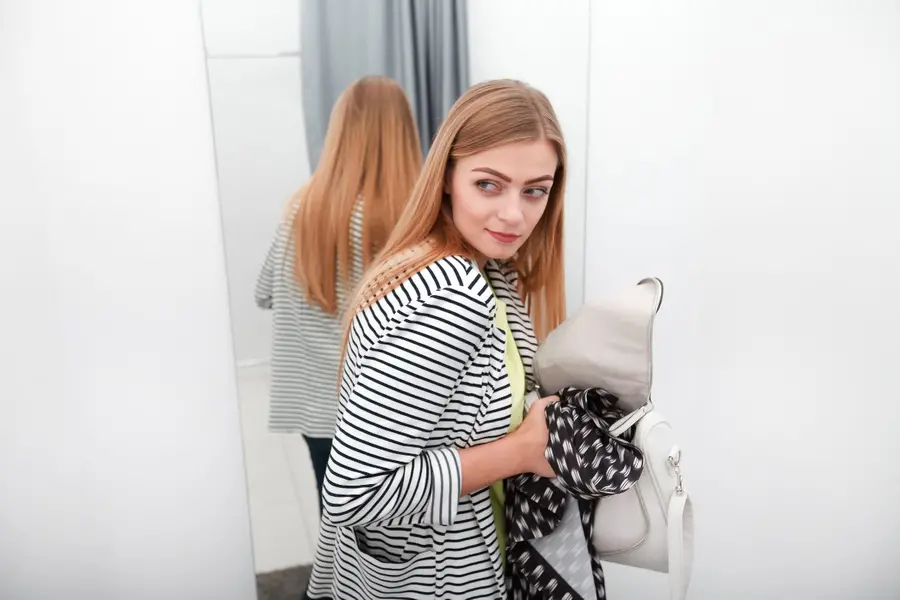
Word of the Day: KLEPTOMANIA
Pronunciation: UK /ˌkleptəˈmeɪniə/
US /ˌkleptəˈmeɪniə/
Meaning
Kleptomania is a mental health disorder in which a person repeatedly struggles to resist urges to steal things they generally do not need or want. The stolen objects are often of little value, and the act is not usually motivated by financial gain.
Examples for daily usage
- The film portrays a character struggling with kleptomania.
- Kleptomania is different from ordinary theft motivated by money or personal gain.
Origin and history
The word kleptomania was formed from Greek roots. ‘Kleptes’ means “thief” or “one who steals”, while mania refers to an excessive or compulsive desire. The English word was recorded in the 1830s.
The medical idea behind the term appeared slightly earlier. In 1816, Swiss physician André Matthey described what he called klopemania, referring to an unusual compulsion to steal without an apparent practical reason.
French physicians later used the form kleptomanie, helping establish the term in medical writing.
Also Read: Word of the Day, September 20: ‘Jostle’
Cultural significance and modern usage
Kleptomania has a particularly complicated social history. During the 19th and early 20th centuries, the term became closely associated with middle- and upper-class women caught shoplifting in department stores.
Some historians have argued that the diagnosis was influenced by contemporary ideas about gender, class and consumer culture. Wealthier women could sometimes present their stealing as an illness, while poorer women were more likely to face ordinary criminal punishment. Kleptomania is a specific psychiatric condition, not simply another word for theft or shoplifting.
Interesting facts
Kleptomania is considered an impulse-control disorder.
People with the condition may experience tension or anxiety before stealing and relief or satisfaction afterwards, followed by guilt, shame or remorse.
The objects taken are often things the person could afford to buy and may have little practical value to them.
Kleptomania is relatively rare, and many people experiencing symptoms may never seek professional help because of embarrassment or fear of legal consequences.
Examples from literature
- “The conclusion to which one is irresistibly impelled is that we have a kleptomaniac in our midst.” — Carry On, Jeeves by P. G. Wodehouse.
- “There is a complaint called kleptomania—it comes with a sort of irritation at the tips of the fingers...” — The Tenants of Malory by J. Sheridan Le Fanu.
Read more Word of the Day here.
Published: 21 Sept 2026, 08:00 am IST
ABOUT THE AUTHOR

Related Topics
Disclaimer: Kindly avoid objectionable, derogatory, unlawful and lewd comments, while responding to reports. Such comments are punishable under cyber laws. Please keep away from personal attacks. The opinions expressed here are the personal opinions of readers and not that of Mathrubhumi.