
NIFT’s Fashion Communication program blends design, technology, & strategy for diverse careers
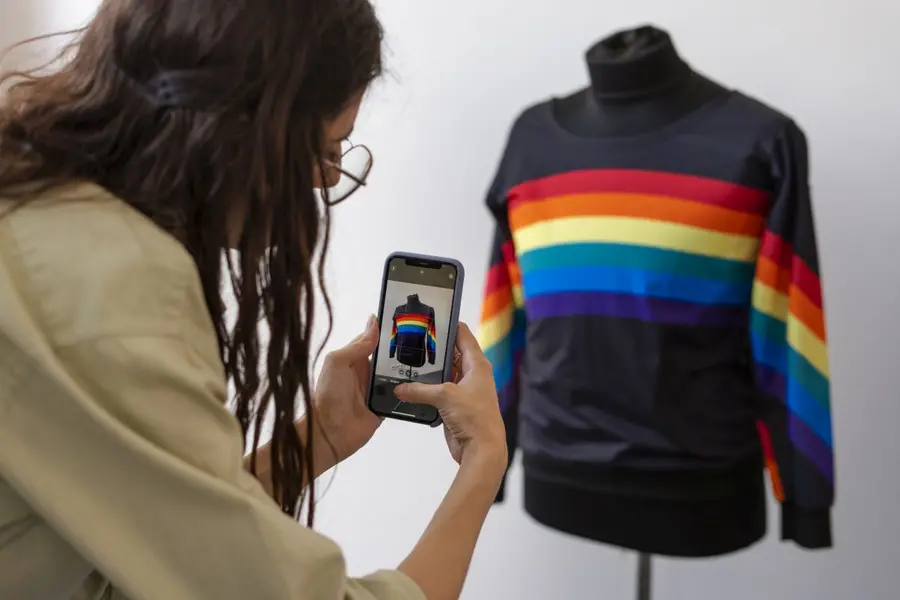
Fashion is no longer merely clothing but meaning, identity, and culture in today's world, and Fashion Communication has become the most influential and multifaceted creative field. It is the driving force behind the way brands speak, fashion is brought to life, and stories are told through media. And in the modern day evolving digital-first world, the manner in which fashion is communicated is changing dramatically.
At the centre of this revolution are a new breed of communication professionals educated not only in design and aesthetics, but in media, strategy, sustainability, and technology. One of the prime examples of this transformation is the Fashion Communication course at the National Institute of Fashion Technology (NIFT), which has an integrated curriculum reflective of a rapidly changing industry.
The essence of contemporary fashion communication is its power to create stories that are engaging, profound, and culturally significant. Press releases and glossy magazine spreads are no longer the only ways to define fashion communication. Now, it is about creating brand identities on digital platforms, crafting engaging online and offline experiences, curating responsible stories of sustainability, and even exploring the metaverse.
The fashion communicator is no longer merely a visual practitioner but a cultural interpreter, business strategist, and digital native all combined.
The Bachelor of Design in Fashion Communication programme at NIFT has been shaped to meet these changing industry requirements. It's a four-year program that exposes students to various fields like graphic design, visual merchandising, fashion media, fashion photography, advertising, space design, styling, digital experience, user interface design, animation, and branding.
Since technology has become the hub of consumer behavior, NIFT has added new courses to its syllabus such as 2D animation, motion graphics, AI-driven content creation, and augmented and virtual reality. The focus is on making students ready not only for roles in existence, but for those that have yet to be created. Industry interface, internships, live projects, and exposure to real-time branding strategy are a part of the learning framework.
The applicability of the program is highlighted by the growing career opportunities in the domain. Fashion communication experts are now sought after in various sectors ranging from e-commerce, fashion brands, and advertising agencies to publishing, television, digital media, event management firms, lifestyle businesses, social media management, and even in technology companies.
The kind of jobs that are available today is a reflection of the multi-faceted education given to these experts. Fashion communication graduates may take on the roles of graphic designers, brand strategists, digital marketers, content creators, stylists, visual merchandisers, UI/UX designers, art directors, fashion photographers, animation specialists, and even virtual showrooms and metaverse-based fashion experience curators.
The growth of digital fashion, immersive storytelling, and AI-created content has compelled the industry to reimagine how fashion is imagined and marketed. Brands are increasingly looking towards immersive formats to develop emotional connections with consumers.
Shoppable videos, gamification campaigns, AI-influencers, virtual try-ons, and content personalization are now mainstream and not experimental. There is also a growing focus on sustainability. Fashion communicators now need to emphasize a brand's ethical initiatives, encourage circular fashion, and ensure that the messages are responsible and inclusive.
With diversity, equity, and inclusion at the forefront of world fashion storytelling, communicators have a responsibility to how sensitively and authentically these are shared with audiences.
Social media platforms such as Instagram, Pinterest, YouTube, and TikTok are now leading battlefields for fashion storytelling. An excellent grasp of algorithmic behavior, consumer insight, and real-time trend analysis is paramount.
Fashion communication practitioners tend to be that pivot between creative, inspirational idea generation and business objectives. They are required to marry aesthetics with analytics, emotion with efficiency. The commercial and strategic role of fashion communication is stronger than ever.
The NIFT program makes sure that students are not just creatively prepared but are also cognizant of what the industry demands. In the last years of the course, students do capstone projects and industry-sponsored campaigns. Building a portfolio is another priority area. Students get to meet top industry professionals and brands through internships, and job offers are often made to many of them before they graduate. Based on student-driven data and industry inputs, placements average ₹6 to ₹10 lakh annually, with top-performing students getting packages of ₹15 lakh and above in niche careers such as branding, UX design, and digital media.
Freelance work too has boomed. With the gig economy taking centre stage, numerous graduates prefer to freelance as stylists, photographers, content strategists, and social media consultants. Others have also become entrepreneurs, setting up creative studios, fashion magazines, YouTube channels, and content platforms. The versatility of this space enables graduates to work across industries, ranging from luxury fashion and streetwear to wellness, technology, and sustainability initiatives.
Interestingly, most fashion communication graduates are now finding jobs outside the conventional fashion and design industries. Equipped with skills in storytelling, branding, visual communication, and digital strategy, they are being hired by fintech companies, edtech businesses, OTT platforms, and social impact organizations. The flexibility of training enables them to apply design thinking and brand strategy in diverse contexts. The crossover between creative and tech is very robust, with most graduates developing portfolios in motion design, UI/UX, web branding, and AR-facilitated user experiences.
Communication's landscape shifts daily. Brands are not only being evaluated based on what they sell but how they communicate their narrative. It is in this background that fashion communication becomes a powerful engine of identity making. It is emotion, desire, design, media, and consumer culture -- weaved together to produce engaging brand universes.
The ability to combine visual storytelling with cultural awareness, digital acumen, and business acumen is scarce, and that's exactly where fashion communication experts are leaving their stamp.
NIFT's strategy for fashion communication attests to a vision for the future. The pedagogy is not merely about the transmission of information but about the development of storytellers who know the power of aesthetics, the vocabulary of design, and the beat of the times. The graduates who emerge from its campuses are not merely communication professionals -- they are culture creators.
As fashion itself is being redefined in the age of global changes, the communicators who voice the new concepts are emerging as the most critical components of the fashion chain.
From digital runways to eco-friendly branding, from haptic installations to online magazines, the landscape of fashion communication is abuzz with potential. The future is for those who can turn ideas into experience. And as the industry looks for stories that are daring, diverse, and immersive, fashion communicators are poised to take the lead – screen by screen, story by story.
Published: 10 Jul 2025, 12:55 pm IST
Related Topics
Disclaimer: Kindly avoid objectionable, derogatory, unlawful and lewd comments, while responding to reports. Such comments are punishable under cyber laws. Please keep away from personal attacks. The opinions expressed here are the personal opinions of readers and not that of Mathrubhumi.
