
The Industrial Revolution, a pivotal chapter in human history, began in the late 18th century in Britain and set the stage for a seismic shift in the way societies functioned. What started as a remarkable era of innovation and economic growth soon revealed its darker side—an unrelenting exploitation of nature and a profound disconnect between humanity and the natural world. As we delve into its origins, history, and consequences, it becomes evident that the industrial mentality—focused on power, material wealth, and dominance—has left an indelible mark on our planet and its inhabitants. This legacy, intertwined with habitat loss and the plight of species like elephants, continues to echo into our present and demands urgent introspection.
The Origins and Innovations of the Industrial Revolution
The Industrial Revolution emerged in Britain during the late 18th century, catalyzed by a confluence of factors. Abundant coal and iron deposits, a growing population, and a culture of scientific inquiry provided fertile ground for industrial innovations. Landmark inventions such as James Watt’s steam engine and mechanized textile looms revolutionized production, enabling goods to be manufactured on an unprecedented scale. The shift from agrarian economies to industrialized systems transformed societies, creating urban centers teeming with workers and factories.
This era brought prosperity and progress to many. Economies flourished, and the promise of a better life drew people to burgeoning cities. Yet, this enthusiasm often masked the profound costs of rapid industrialization. The relentless pursuit of growth demanded vast amounts of raw materials, leading to widespread deforestation, mining, and resource extraction. Factories belched smoke into the air and discharged pollutants into waterways, transforming pristine landscapes into polluted wastelands. The industrial mindset prioritized short-term gains over long-term sustainability, a pattern that continues to plague us.
The Comforts of Industrialization—and Their Costs
The industrial era undeniably brought comforts and conveniences. Mechanized production meant that goods once reserved for the elite became accessible to the masses. Railroads and steamships connected distant regions, facilitating trade and cultural exchange. Electricity, another product of industrial ingenuity, transformed homes and workplaces, making life more comfortable and productive.
Yet, these advancements came at a steep price. The rapid urbanization driven by factory jobs led to overcrowded cities, where unsanitary conditions and poor air quality posed severe health risks. The grueling factory schedules subjected workers—including women and children—to exploitation, with little regard for their well-being. Beneath the veneer of progress lay a system that prioritized profits over people and the environment.
A Legacy of Environmental Exploitation
Perhaps the most enduring and damning consequence of the Industrial Revolution is its environmental impact. The widespread burning of coal, which fueled the revolution, marked the beginning of humanity’s reliance on fossil fuels. This dependence has led to a cascade of environmental crises, from climate change to habitat destruction.
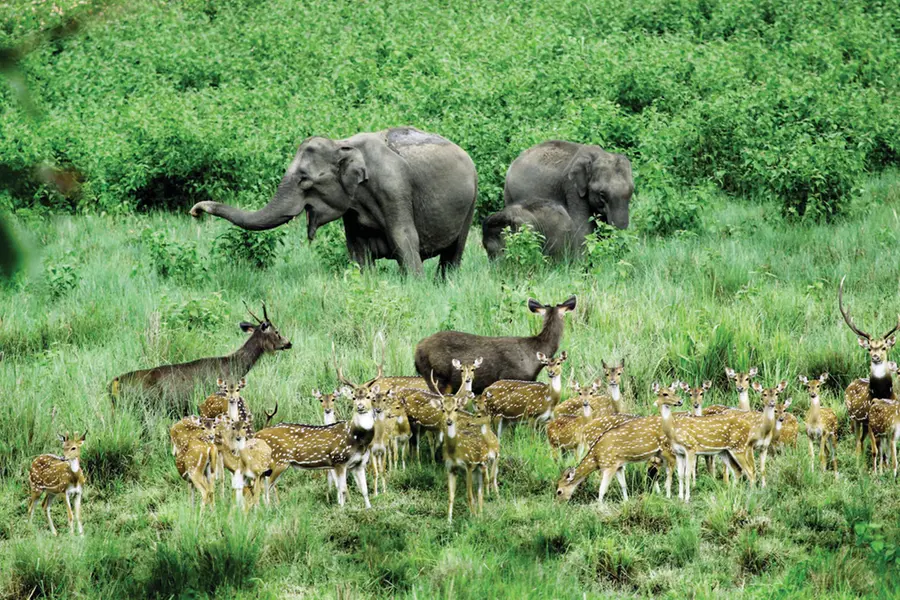
Forests, the lungs of our planet, were among the first casualties of industrial expansion. Deforestation provided timber for construction, cleared land for agriculture, and made way for mines and factories. This unrestrained destruction of ecosystems disrupted countless species, pushing many to the brink of extinction. Among the victims were elephants, majestic creatures whose habitats were decimated as forests gave way to human enterprise.
Elephants and the Industrial Mindset
The plight of elephants provides a stark example of how the industrial mentality has led to the exploitation of nature. As forests were cleared for plantations and settlements, elephants lost vast swathes of their natural habitats. At the same time, the demand for ivory—driven by industrial wealth and global trade—fueled rampant poaching. Elephants, revered in many cultures, became commodities to be hunted and traded.
This exploitation has had devastating consequences. Beyond the immediate loss of individual lives, the destruction of elephant populations has disrupted ecosystems where they play a crucial role as keystone species. Elephants help maintain the health of forests and savannahs, dispersing seeds and creating pathways that benefit other wildlife. Their decline is a warning sign of broader ecological collapse, a direct result of humanity’s unbalanced relationship with nature.
The Haunting Ramifications
The industrial mindset, with its focus on domination and extraction, has set humanity on a path fraught with peril. The environmental degradation it unleashed is now coming full circle. Climate change, driven by industrial emissions, has led to rising temperatures, extreme weather events, and shifting ecosystems. These changes threaten not only wildlife but also human communities, as floods, droughts, and food insecurity become more prevalent.
The loss of biodiversity, epitomized by the plight of elephants, has far-reaching implications. Every species lost weakens the intricate web of life that sustains our planet. The disappearance of elephants and other wildlife diminishes the richness of our world and erodes the resilience of ecosystems on which humanity depends.
Towards Conscious Evolution
The Industrial Revolution serves as both a cautionary tale and a call to action. It reminds us of the perils of unchecked progress and the need for a more conscious approach to development. To address the consequences of the industrial mentality, we must evolve—not just technologically, but spiritually and ethically.
This evolution begins with a shift in perspective. We must recognize that humanity is not separate from nature but deeply interconnected with it. The comforts we enjoy come with responsibilities: to protect the planet, preserve its biodiversity, and ensure that future generations inherit a world worth living in. Sustainable practices, renewable energy, and conservation efforts must replace the extractive systems of the past.
Crucially, we must rethink our relationship with animals like elephants. Their survival is not just a matter of moral obligation but a necessity for ecological balance. Protecting their habitats, curbing poaching, and fostering coexistence are essential steps towards repairing the damage wrought by industrialization.
In closing, the Industrial Revolution was a moment of extraordinary human achievement, but it came with profound consequences. Its legacy of environmental exploitation and disregard for the natural world has left us grappling with a climate crisis, biodiversity loss, and a deep spiritual void. The plight of elephants, emblematic of this destruction, is a reminder of the cost of our disconnection from nature.
As we navigate the complexities of the 21st century, let us remember the profound lessons of the Industrial Revolution. Progress is not inherently harmful, but it must be tempered with wisdom, foresight, and deep reverence for the natural world. By embracing a more conscious and harmonious way of living, we can begin to heal the wounds of the past and build a future where humanity and nature thrive together. As we stand on the threshold of a new year, we are reminded to ask ourselves: If not now, when? If not me, who? We have been so fortunate to witness the awe-inspiring beauty of majestic mountains, the wonder of wildlife, and the serenity of ancient forests. Don’t we owe it to the planet, and to those who will inherit it after us, to preserve this gift? For the sake of every creature that calls Earth home, and for the generations yet to come, let us act with love, reverence, and a shared sense of responsibility.
The author is a wildlife filmmaker and the founder of Voices for Asian Elephants
Published: 14 Dec 2024, 07:40 am IST
Related Topics
Disclaimer: Kindly avoid objectionable, derogatory, unlawful and lewd comments, while responding to reports. Such comments are punishable under cyber laws. Please keep away from personal attacks. The opinions expressed here are the personal opinions of readers and not that of Mathrubhumi.
