
There is poignant poetry in the way we, as humans, have treated both women and the earth — a cruel and devastating poetry that speaks to our capacity for destruction and disregard. Ecofeminism, a framework that intertwines the domination of women with the exploitation of nature, reveals unsettling parallels in these narratives. Through this lens, we can better understand the shared plight of women and the planet, and the lessons we might learn from the matriarchal societies of elephants, beings whose lives resonate deeply with our own struggles and aspirations.
The Wounds of the Earth and the Scars of Women The Earth, long revered as a nurturing mother, has been pillaged and exploited by those who claim dominion over her. Strip-mined mountains, deforested lands, polluted rivers — these are the battle scars inflicted upon a planet forced to serve unending human consumption. The Earth’s ecosystems are
suffocating under the weight of industrial greed, while her seasons become unpredictable, her resilience chipped away by our hubris.
Women, too, have borne the brunt of a similar exploitation. For centuries, patriarchal systems have treated women as resources to be controlled, their labor undervalued, their bodies commodified, their autonomy dismissed. Like the Earth, women have been deemed "other" — existing not as equals but as entities to be subjugated for the benefit of those in power. Their nurturing roles, much like the Earth’s, have been taken for granted, often praised in rhetoric but devalued in action.
The connection is no coincidence. Patriarchy thrives on hierarchies, and its foundational belief in domination over the "lesser"— whether that be women, nature, or marginalized groups — has perpetuated cycles of abuse. The Earth and women have both been silenced, their cries for justice drowned out by the clamor of profit, progress, and power.
Ecofeminism and the Call for Reverence Ecofeminism demands that we recognize these parallels not just as theoretical constructs but as urgent calls to action. It asserts that our treatment of women and the Earth are not separate issues but intertwined crises stemming from the same root causes. To harm one is to harm the other; to uplift one is to begin the work of healing both.
This philosophy also reminds us that the solutions lie not in domination but in partnership. Women and Earth have long been sources of resilience and renewal. Just as the Earth has the power to regenerate when given the space and respect to do so, women have consistently been the backbone of communities, finding ways to sustain life and hope even in the face of adversity. Yet, reverence cannot remain symbolic. It must manifest in actions — dismantling patriarchal systems, redefining progress, and reshaping our relationship with the natural world into one of care, not conquest.
The Elephants: Matriarchs in Harmony
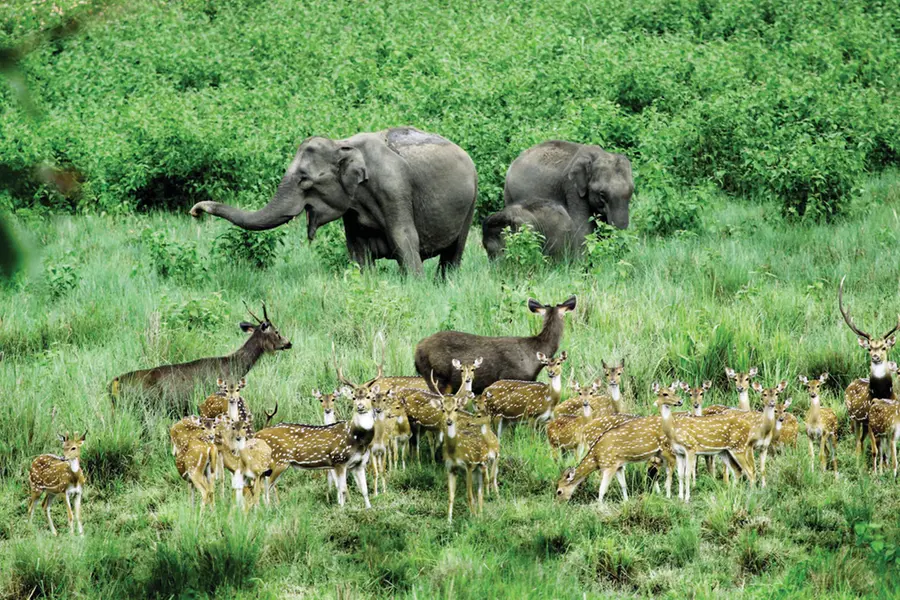
In the animal kingdom, elephants stand as a striking example of what matriarchal leadership can achieve. Elephant herds are led by matriarchs, the oldest and often wisest female in the group. These matriarchs embody qualities of strength, empathy, and memory, guiding their families through complex challenges and ensuring the survival of their kin. The matriarch’s role is not one of dominance but of service to the collective. She remembers the locations of waterholes during droughts, teaches the younger generation the intricacies of elephant society, and protects her herd from threats. Her leadership is rooted in wisdom, garnered through experience and a deep connection to her environment.
Yet even these majestic beings are not spared from the reach of human exploitation. The ivory trade, habitat destruction, and poaching have decimated elephant populations, targeting matriarchs first in many cases. The loss of a matriarch has profound consequences for her herd, leaving younger elephants vulnerable and communities fragmented.
Here lies the cruel irony: even in the animal kingdom, where matriarchal societies have thrived for millennia, human interference — steeped in patriarchal values of domination and greed — disrupts and dismantles their equilibrium. The plight of elephants becomes a mirror, reflecting our own fractured relationship with leadership, community, and the natural world.
Bridging the Human-Elephant Connection
The lessons elephants offer are not abstract; they are deeply personal and immediate. Their matriarchal structure reminds us of what humanity has forgotten: that true leadership is not about power over others but responsibility toward them. It is about listening, remembering, and nurturing — qualities that patriarchal systems have long dismissed as weaknesses but are, in reality, profound strengths.
Women, like elephant matriarchs, often lead in ways that prioritize the collective good. In communities worldwide, women are at the forefront of environmental conservation efforts, from planting trees to safeguarding water sources. Yet, their work is often undervalued, much like the labor of the Earth itself.
Recognizing and empowering this leadership is not just an act of justice but a necessity for our planet's survival. Elephants also remind us of the importance of memory and connection. They mourn their dead, exhibit complex emotional lives, and maintain strong familial bonds. These behaviors challenge the notion that humanity holds a monopoly on intelligence or empathy. By observing elephants, we are reminded of the interconnectedness of all life and the responsibility we bear to protect it.
A Ruthless Reckoning
To speak honestly about the treatment of women and the Earth is to confront uncomfortable truths. It is to admit that the systems we have built are unsustainable and unjust, that our actions have left scars on the very foundations of life. It is to acknowledge that the exploitation of women and nature has not been incidental but systemic, a deliberate choice that reflects our collective values — or lack thereof.
But it also recognizes the possibility of redemption. The Earth, like women, has shown remarkable resilience. Forests regrow, rivers heal, and communities rebuild. The question is not whether healing is possible but whether we have the courage to prioritize it. This requires dismantling patriarchal systems that prioritize profit over people, competition over collaboration, and short-term gains over long-term sustainability.
It also requires reimagining our relationship with power. The matriarchs of elephant herds do not hoard power; they use it to serve. Imagine a world where human leadership followed suit — where decisions were guided not by ego but by empathy, not by conquest but by care.
A Call to Action
The plight of elephants, women, and the Earth is intertwined, and so too must be their liberation. Protecting elephant habitats is not just about saving a species; it is about safeguarding ecosystems that support countless forms of life. Empowering women is not just about achieving gender equality; it is about unleashing the potential of half the human population to lead, create, and heal.
Ecofeminism offers a blueprint for this transformation, but it is not a passive philosophy. It demands action, accountability, and a willingness to confront uncomfortable truths. It asks us to listen to the voices of women and the Earth, to learn from the wisdom of matriarchs
— human and elephant alike — and to honor the interconnectedness of all life.
In the end, the story of women, the Earth, and elephants is not just a story of struggle; it is a story of resilience, wisdom, and hope. It is a reminder that healing is possible, but only if we choose to embrace it. Let us, then, learn from the matriarchs and begin the work of nurturing, remembering, and rebuilding — not just for ourselves but for the generations yet to come.
The author is a wildlife filmmaker and the founder of Voices for Asian Elephants.
Published: 15 Jan 2025, 10:34 am IST
Related Topics
Disclaimer: Kindly avoid objectionable, derogatory, unlawful and lewd comments, while responding to reports. Such comments are punishable under cyber laws. Please keep away from personal attacks. The opinions expressed here are the personal opinions of readers and not that of Mathrubhumi.
