
Volkswagen is reportedly planning to shut four German plants and cut up to 1 lakh jobs amid rising EV competition and slowing sales
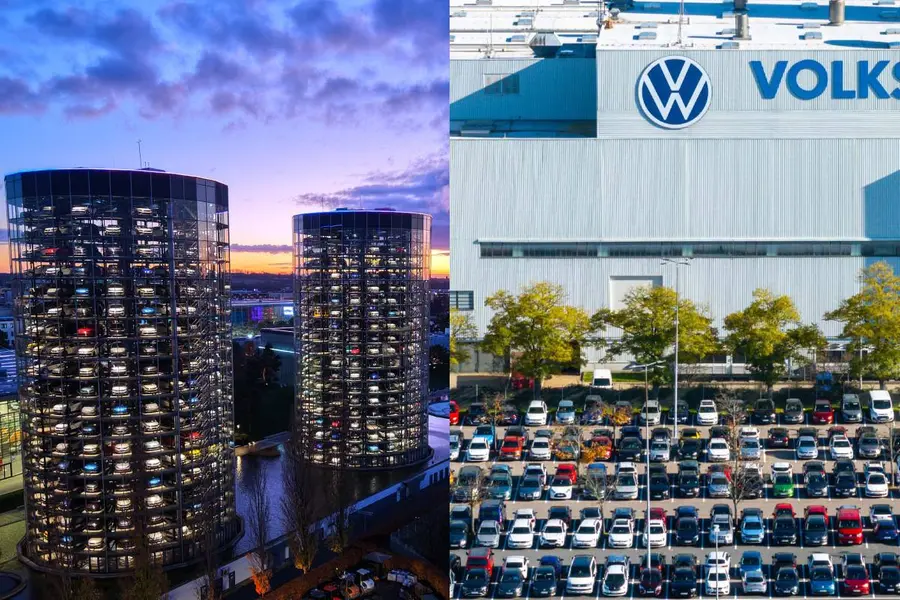
Berlin: Volkswagen is reportedly planning to shut down four factories in Germany and lay off up to 1 lakh employees in what could become one of the largest job cuts in the global automotive industry.
The proposed restructuring is being driven by intense competition from Chinese automakers, higher tariffs on car imports into the United States, and slowing sales across Europe.
The plants reportedly being considered for closure include Volkswagen facilities in Hanover, Zwickau and Emden, as well as Audi's Neckarsulm plant.
The proposals, already presented by Volkswagen CEO Oliver Blume to senior executives, will be discussed at a key company meeting on July 9.
The move can attract strong opposition from labour unions and the state of Lower Saxony, which is the carmaker’s second-largest shareholder.
During the 2025 financial year, Volkswagen Group employed 6,67,164 people worldwide, with around 43 per cent of its workforce based in Germany. In 2024, CEO Oliver was forced to drop an earlier plan to close factories in Germany after strong opposition from labour unions. Since then, the company has moved to close or sell several sites as part of its cost-cutting strategy, triggering prolonged disputes with employee representatives.
Intense competition from Chinese automakers
Volkswagen is facing intense competition from Chinese automakers, putting additional pressure on its leadership to improve financial performance.
This growing strain is being seen as one of the key reasons behind the company’s restructuring plans, including potential job cuts.
Globally, most major automakers are struggling to compete with China-made electric vehicles, which are rapidly gaining market share. The share of non-Chinese automakers in the market has fallen sharply from 57% in 2020 to 32% in 2025.
Once the top-selling brand in China, Volkswagen fell to second place in 2024 and further slipped to third place in 2025. The decline has also affected other premium automakers such as BMW. Meanwhile, Chinese manufacturers have expanded rapidly into other global markets, including Europe, further intensifying competition and deepening the company’s challenges.
With Reuters inputs
Published: 27 Jun 2026, 03:48 pm IST
Disclaimer: Kindly avoid objectionable, derogatory, unlawful and lewd comments, while responding to reports. Such comments are punishable under cyber laws. Please keep away from personal attacks. The opinions expressed here are the personal opinions of readers and not that of Mathrubhumi.
