Nipah may become a pandemic: Nature journal publishes article regarding possible mutation of virus
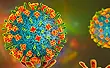
Kozhikode: An article published in ‘Nature Journal’ brings up a concern that in the wake of recurring outbreaks, Nipah virus may undergo mutation and cause a pandemic. The article was written by Nipah surveillance team leader and Professor at Mancheri Government Medical College Infectious Disease Department, T.S Anish.
There were four disease outbreaks within six years in Kerala. In 2018, when Nipah was first detected in the state, 17 people died. One case each was reported in 2019 and 2021 and one patient succumbed. This year six people tested positive for Nipah out of which two died.
Recurrent cases of Nipah virus outbreak are reported in many countries, including Bangladesh. Currently, spread of the disease from human-human occurs due to contact with the infected person’s body fluids. This is why Nipah will not spread in the rapid way Covid does.
However, Nipah virus is one that is prone to genetic RNA mutation. The possibility of Nipah turning into a global pandemic like Covid due to mutation cannot be completely ruled out. The World Health Organisation (WHO) considers Nipah in the list of diseases that may turn into a pandemic.
It was the virus strain detected in Bangladesh in 2001 that caused the outbreak in Kerala which means it travelled over 2000 kms from its source, across various states. There is thus, a possibility that the disease went undetected in various places. In Bangladesh itself, the disease was detected quite late.
There are chances of Nipah outbreak in Asian countries like Myanmar, Thailand, Laos, Chennai, Bhutan, Nepal and Sri Lanka. Establishing early detection and control systems in disease-prone areas is important in preventing spread. Brain fever is one of the main symptoms of the disease.
Encephalitis can occur due to various factors and thus Nipah infection goes undiagnosed. The article suggests that those presenting with encephalitis in hospital be screened for Nipah.
Dr Anish is of the opinion that a consolidated policy approach is required for early detection and eradication of the disease and that such systems should be initiated worldwide.