ISRO launches India's first-ever geo imaging satellite EOS-05; Gaganyaan up next | WATCH
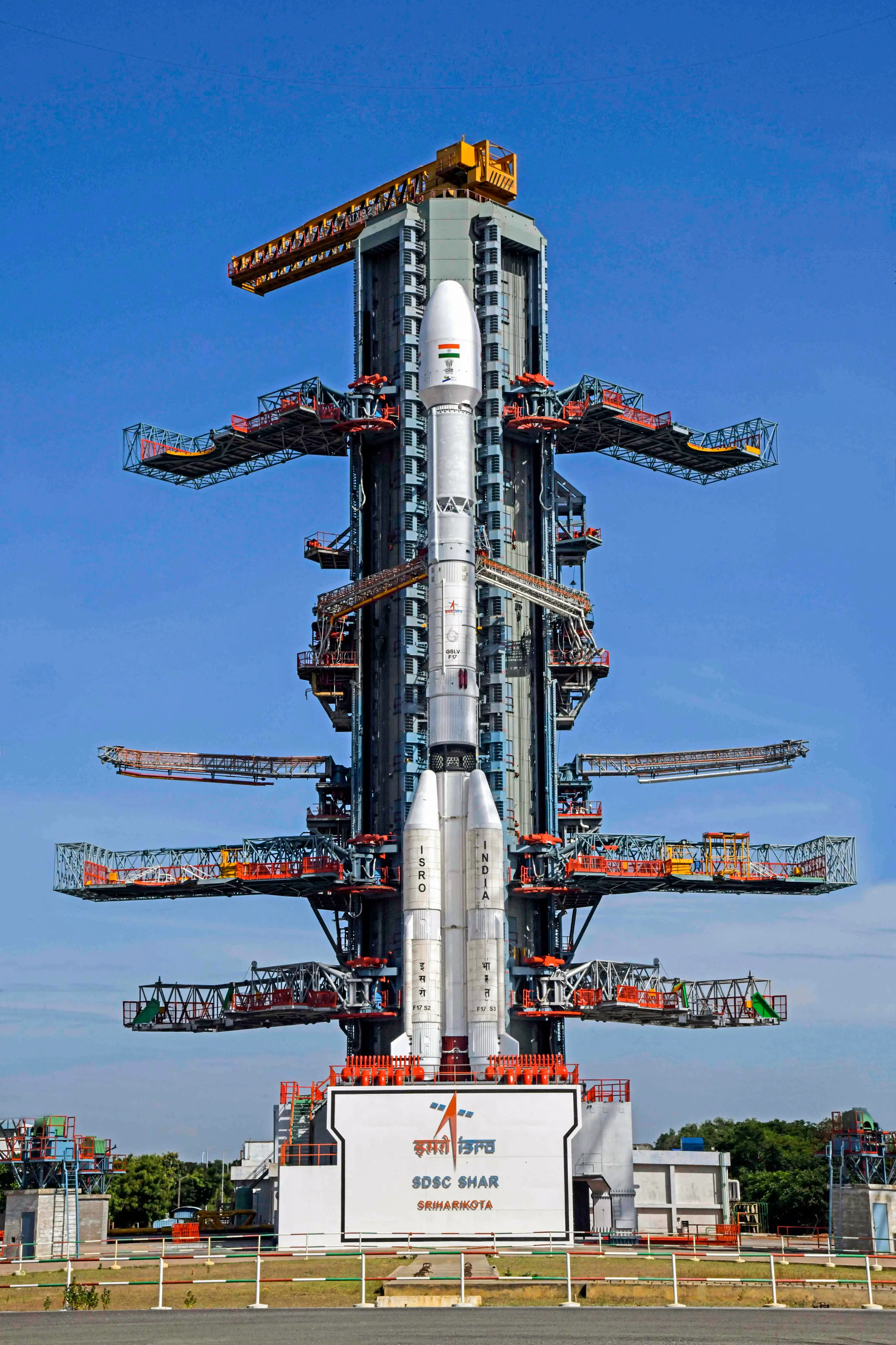
Sriharikota (Andhra Pradesh): The Indian Space Research Organisation (ISRO) achieved a historical milestone on Friday by successfully launching the country's first-ever imaging satellite into geo-orbit. Using a GSLV rocket, the space agency precisely injected the 2,300+ kg EOS-05 payload into its target sub-geosynchronous transfer orbit, marking ISRO's first successful mission of the year 2026.
The EOS-05 satellite took off from the second launchpad at the Satish Dhawan Space Centre at 2.55 am following a smooth 27-hour countdown. Operating at an altitude of approximately 36,000 km, the satellite will synchronize with the Earth's rotational speed, serving as an "eye in the sky" to provide near real-time imagery for agriculture, natural disaster monitoring, and strategic national data.
Announcing the success, ISRO Chairman V Narayanan stated, “I am very happy to announce that the GSLV F-17 vehicle has successfully and precisely injected the advanced EOS-05 geo imaging satellite in the intended and required orbit.”
He highlighted that the mission carried the heaviest payload (2,367 kg) ever delivered by a GSLV rocket. Dismissing speculative reports, Narayanan clarified during a press interaction that EOS-05 is not a “spy satellite” and possesses an operational lifespan of nine years.
Following the successful deployment, Narayanan outlined ISRO's future roadmap, confirming that “vigorous, systematic work” is underway to execute the first uncrewed Gaganyaan human spaceflight mission within this calendar year. He noted that the space agency is aiming for six additional launches during the current financial year, including the navigation satellite NVS-03.
PTI