Iran claims major retaliation after ‘barbaric’ US strikes; American bases across Gulf targeted
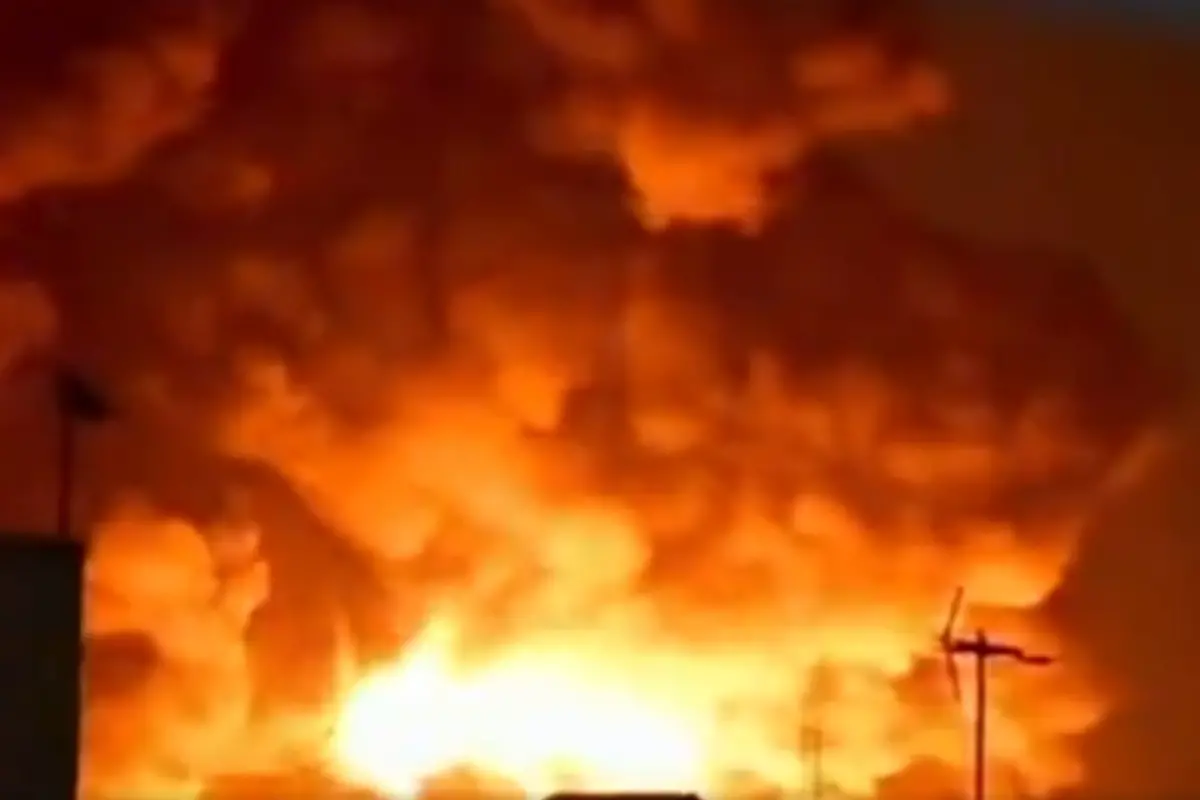
Tehran: The conflict between Iran and the United States escalated further on Monday after Iran claimed it had launched attacks on multiple US military facilities across the Middle East, while Washington confirmed a fresh wave of strikes on Iranian military targets.
According to Iran's state news agency IRNA, the Islamic Revolutionary Guard Corps (IRGC) said it targeted Prince Hassan Air Base in Jordan, a US military drone command centre in Bahrain, and military facilities including Ali Al Salem Air Base in Kuwait.
The claims came hours after the US military announced it had completed another round of operations against Iranian military infrastructure.
US says strikes targeted military capabilities
US Central Command (CENTCOM) said American forces struck dozens of Iranian military sites using fighter aircraft, naval vessels, one-way attack drones and sea drones.
According to CENTCOM, the operation targeted air defence systems, coastal radar sites, missile and drone capabilities and small boats. The US said the strikes were intended to prevent Iran from threatening commercial shipping through the Strait of Hormuz.
In a statement, CENTCOM stressed that the Strait of Hormuz remains an international maritime corridor and said the US military is prepared to ensure freedom of navigation despite what it described as continued Iranian aggression.
Iran expands retaliation across the region
Iran said its latest military action was in response to US operations and insisted it has the right to control the Strait of Hormuz.
Missile alert sirens sounded in Bahrain early Monday following reports of Iranian attacks. Iran also claimed to have targeted locations in Kuwait and Jordan, while earlier reports indicated attacks involving Gulf countries hosting US military facilities.
Iranian state media also reported explosions at several locations inside Iran following the US strikes, with at least one person reported killed.
Strait of Hormuz remains at the centre of tensions
The latest military exchanges continue to revolve around the Strait of Hormuz, one of the world's most important energy shipping routes.
The United States maintains that the waterway must remain open for international commercial traffic and says Iran has no authority to restrict navigation. Iran, however, has repeatedly asserted control over the strategic passage and has threatened shipping since the conflict intensified earlier this year.
The ongoing confrontation has raised concerns about global energy supplies, although oil prices have eased from the sharp increases seen during the early stages of the conflict.
Diplomatic efforts continue
Despite the renewed fighting, diplomatic efforts to prevent a wider regional war are continuing.
United Nations Secretary-General António Guterres warned that a return to full-scale hostilities would have catastrophic consequences.
Regional mediators, including Pakistan, Qatar and Egypt, are continuing efforts to preserve the interim agreement reached earlier this year and encourage both sides to return to negotiations.
Neither US nor regional authorities have immediately confirmed the extent of damage caused by Iran's claimed attacks on American military facilities.