100% tariffs deferred, not dead: Trump keeps India guessing over Russian oil
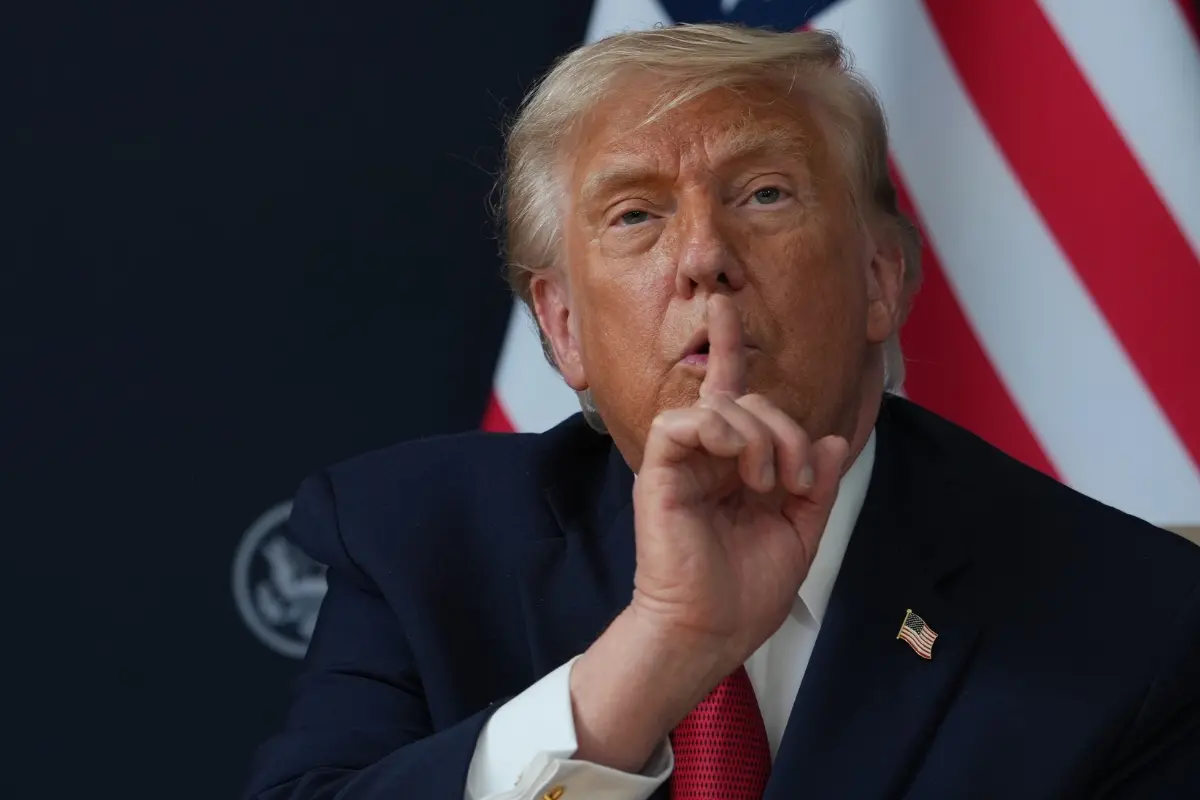
Washington DC: US President Donald Trump has temporarily suspended the threat of tariffs of up to 100% on India and other major buyers of Russian oil under the Lindsey O. Graham Sanctioning Russia and Iran Act. The decision offers India temporary relief from potential trade penalties, but uncertainty remains over whether Washington could revive the measures after reviewing their economic impact.
The waiver comes as Indian refiners have already reduced their reliance on Russian crude and increased purchases from alternative suppliers, including the United States, West Africa, South America and traditional West Asian markets.
According to industry executives cited by the Hindustan Times, India's Russian crude imports have fallen to around 1.8 million barrels per day from approximately 2.7 million barrels per day in July 2026.
Russian oil had become a major component of India's energy mix after Western sanctions on Moscow led to discounted supplies. Its share of India's crude imports rose to nearly one-third in 2025-26, according to the report.
India's oil import bill rises sharply
The shift away from discounted Russian crude has coincided with an increase in India's oil import expenditure.
Data from the Petroleum Planning and Analysis Cell (PPAC) show that India's crude oil import bill rose 31.6% in September 2026 to $15.4 billion, compared with $11.7 billion in August.
Crude import volumes increased by 14.2% over the same period, reaching 21.7 million tonnes from 19 million tonnes.
The average price of the Indian crude oil basket rose 28.71%, from $90.19 per barrel in August to $116.09 per barrel in September.
For April-September 2026-27, India's crude oil import bill increased 46.4% to $90.6 billion. The period also included a surge in international oil prices following disruptions to shipping through the Strait of Hormuz.
The figures indicate that India's energy expenditure has risen amid higher crude prices and changes in sourcing. However, the increase cannot be attributed solely to the reduction in Russian oil purchases, as international prices and geopolitical disruptions have also influenced costs.
Why Trump paused the tariff threat
Trump invoked Section 115 of the Graham Act to waive duties provided for under Sections 112 and 113. The law had created the possibility of tariffs of up to 100% on goods imported from major buyers of Russian crude oil or natural gas.
US Secretary of State Marco Rubio said the administration wanted a 60-day period to assess the potential economic consequences of imposing the sanctions and tariffs.
Rubio described India as an important US partner and acknowledged the challenges involved in rapidly changing energy suppliers.
He also pointed to pressure on global energy supplies arising from the Russia-Ukraine war and regional tensions affecting shipping and oil infrastructure.
The waiver therefore reflects concerns about the wider economic consequences of the proposed measures, including their possible impact on energy prices and the US economy.
US diesel deal with Russia raises questions
The decision has also drawn attention because Washington has announced a diesel supply arrangement with Moscow.
According to the ANI report, Trump said Russia would supply more than 300,000 tonnes of diesel immediately, followed by another 500,000 tonnes in November and one million tonnes thereafter.
The arrangement comes as the US seeks to manage domestic fuel prices ahead of the midterm elections.
The contrasting approaches to Russian energy purchases have raised questions about how Washington will apply sanctions to different countries. India has faced pressure over its purchases of Russian crude, while the US has pursued a fuel supply arrangement with Russia.
India-US trade negotiations remain uncertain
The temporary waiver does not resolve the wider trade dispute between India and the United States.
New Delhi is seeking favourable terms in bilateral trade negotiations, with Commerce and Industry Minister Piyush Goyal saying that the first tranche of the trade agreement would be implemented once India secured a competitive advantage over its peers.
Ajay Srivastava, founder of the Global Trade Research Initiative, said the waiver could allow Washington to retain the threat of renewed tariffs as leverage in future negotiations.
For India, the immediate challenge is to balance energy security, commercial considerations and its trade relationship with the US. Buying more crude from alternative suppliers may reduce exposure to sanctions linked to Russian oil, but could also increase costs when replacement supplies are more expensive.
What the waiver means for India
The waiver provides short-term relief by suspending the immediate threat of additional US duties linked to Russian energy purchases. It does not necessarily eliminate the possibility of future penalties.
Three developments will be important in determining India's next steps:
Energy costs: Higher international crude prices and more expensive replacement supplies could put further pressure on India's import bill.
Trade negotiations: The continued existence of the sanctions law could leave India exposed to renewed tariff pressure during bilateral negotiations.
Energy security: India must weigh the commercial benefits of discounted Russian crude against the potential consequences of US sanctions and the need to diversify supply sources.
The central issue is whether the temporary pause develops into a longer-term arrangement or remains a source of uncertainty for Indian exporters and energy companies.
For now, India has gained time, but the rising cost of crude imports underscores the economic trade-offs involved in adjusting its energy sourcing. The eventual outcome will depend on Washington's next decisions, global oil market conditions and the progress of India-US trade negotiations.