North Korea is permanently closing its border with South Korea
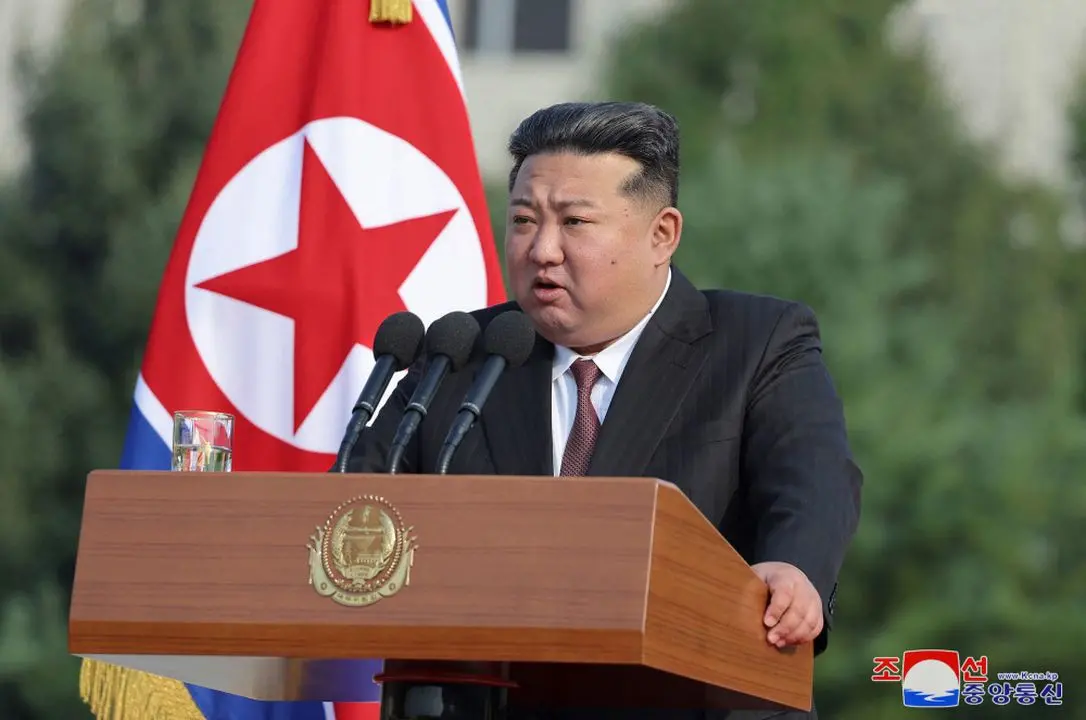
North Korea has announced it will permanently close its border with South Korea and strengthen its front-line defense in response to what it describes as "confrontational hysteria" from South Korean and US forces.
However, the anticipated constitutional revision that would officially designate South Korea as North Korea's primary enemy and redefine the national borders was not announced.
Permanent Border Closure
North Korea's military revealed plans to 'completely cut off roads and railways' linked to South Korea, while fortifying areas along the border with stronger defense structures. The country’s state-run Korean Central News Agency (KCNA) described the move as a "self-defensive measure" intended to prevent war and safeguard North Korea's security. It cited US and South Korean military exercises and harsh rhetoric as key motivations.
Additionally, North Korea has communicated with the US military to explain its fortification activities, aiming to prevent any misjudgment or accidental clashes.
South Korea Responds with Coordination Through UN Command
South Korea’s Defense Ministry confirmed receiving North Korea’s message through the US-led UN Command and stated that they are closely coordinating with the UN. However, further details were not provided.
South Korean officials had previously reported that since April, North Korea has been reinforcing its border, including adding anti-tank barriers and strengthening roads, potentially to prevent defections to the South.
Constitutional Revisions Remain Unclear
North Korea's Supreme People's Assembly recently met to amend the legal ages for working and voting, but there was no confirmation of any action on leader Kim Jong Un's earlier directive to revise the constitution. In January, Kim had called for removing the goal of peaceful Korean reunification, formally declaring South Korea as the “invariable principal enemy,” and defining the North’s territorial claims.
Outside observers were closely watching for any changes regarding the waters off the west coast, currently controlled by South Korea. This area has been a site of multiple naval skirmishes and deadly attacks involving North Korea over the past 25 years.
While some experts believe the constitutional revision may have been delayed, others speculate that it may have been made without a public announcement due to its sensitive nature.
Shifting North Korean Strategy
Kim Jong Un's call to revise the constitution marked a significant shift from his predecessors' long-standing vision of reunifying Korea under Northern leadership.
Analysts suggest that Kim is now focused on diminishing South Korea's influence in regional nuclear talks and seeking direct engagement with the U.S. This move may also be aimed at curbing South Korean cultural influence and consolidating Kim’s authority domestically.
Tensions at Their Highest in Years
The Korean Peninsula is experiencing heightened tensions, with North Korea continuing a series of provocative weapons tests and South Korea expanding joint military exercises with the U.S. On Tuesday, KCNA reported that North Korea had tested a long-range artillery system, which experts say poses a direct threat to Seoul, South Korea’s capital, located just an hour from the border.
AP