Middle East conflict: Victim of Kuwait strike identified as TN man; total Indian casualties reach 8
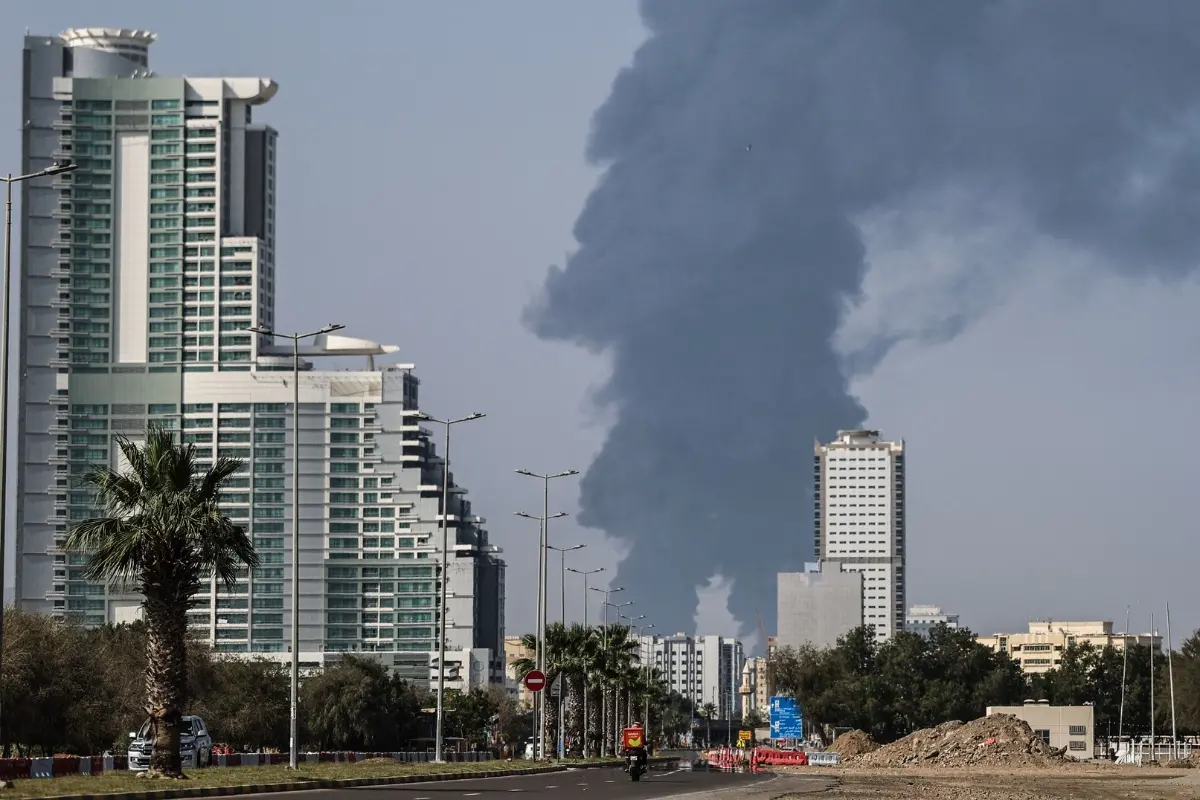
Tamil Nadu: The Indian man killed in Sunday’s Iranian strikes on a desalination and power plant in Kuwait has been identified as Santhana Selvam, 40, from Kolathur in Ramanathapuram district, Tamil Nadu. He was a contract worker at the Shuaiba facility and was on a night shift when the attack occurred.
The strike targeted a service building at the power and water desalination plant, causing significant damage to infrastructure. Kuwaiti authorities described the attack as part of ongoing Iranian aggression and immediately deployed technical and emergency teams to contain the situation and secure the damaged sections. Despite the damage, officials confirmed that the country’s electricity and water network continued to operate.
Embassy response and support
The Indian Embassy in Kuwait expressed deep condolences over Selvam’s death and said it is closely coordinating with local authorities to provide all possible support to his family. The embassy is actively assisting in completing necessary formalities and offering humanitarian aid.
Rising toll of Indian casualties in the Gulf
Selvam’s death brings the total number of Indian nationals killed in the ongoing West Asia conflict to eight. Since February 28, Indian citizens have died across the region: one each in the UAE and Saudi Arabia, two in Oman, and three aboard merchant vessels. Notably, an Indian national was among two killed in Abu Dhabi after debris from intercepted missiles fell on a street.
The escalation followed US and Israeli strikes on Tehran, with Iran retaliating across the Gulf region. Attacks have increasingly affected civilian infrastructure, including desalination and power plants, and endangered thousands of foreign workers.
An estimated 10 million Indians live and work in West Asia, many in critical sectors such as construction, utilities, and shipping, leaving them vulnerable to ongoing conflict-related incidents.