Lahore becomes world’s most polluted city, surpassing Delhi with AQI of 452
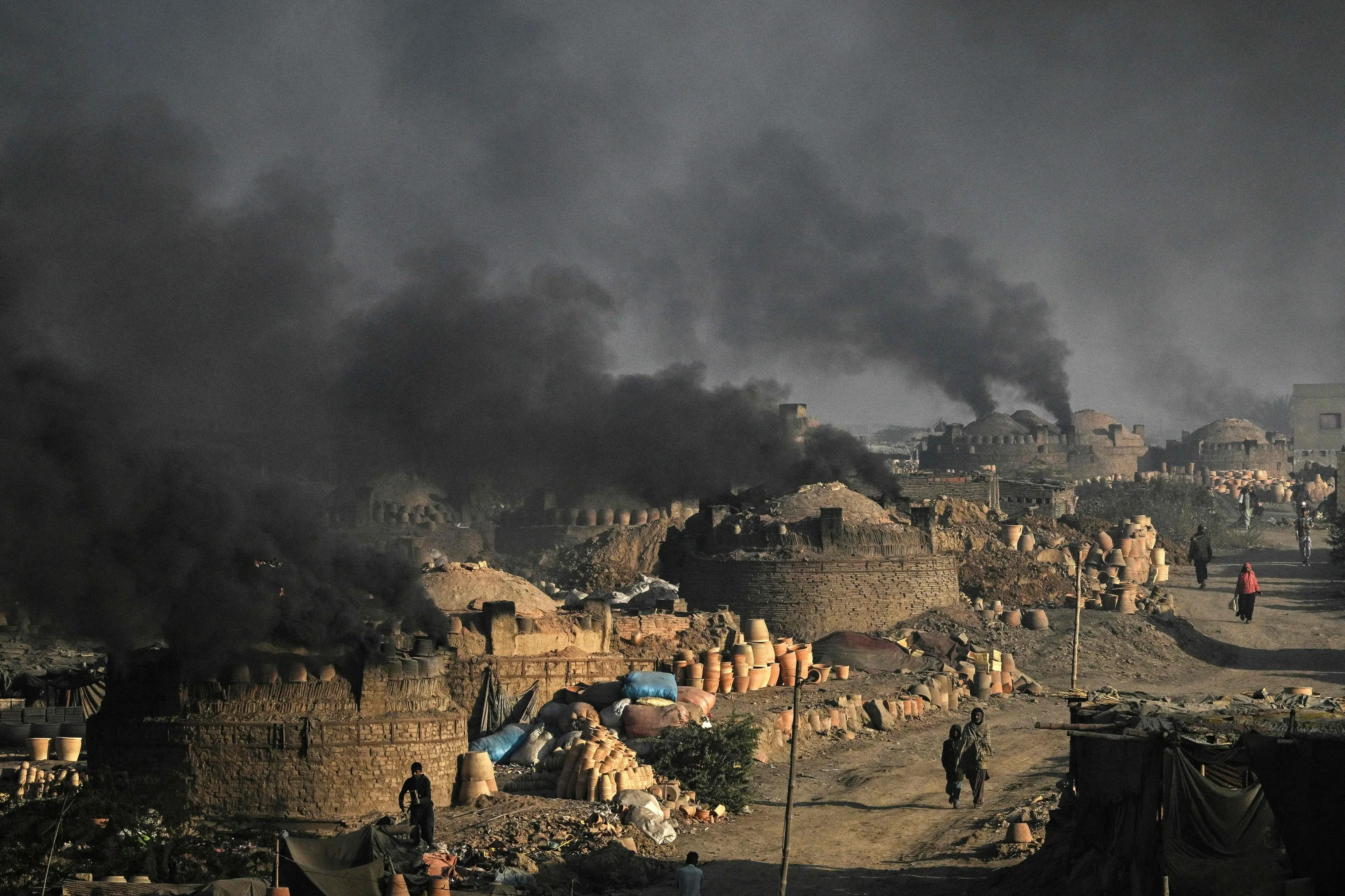
Islamabad: Lahore has been ranked the world’s most polluted city, recording an Air Quality Index (AQI) of 452, according to data from Swiss air quality monitor IQAir, local media reported on Wednesday.
Karachi also made the list, ranking ninth globally with an AQI of 179, highlighting the severe air pollution affecting Pakistan’s major cities.
On Tuesday, IQAir issued an air quality alert for Pakistan as several cities recorded pollution levels ranging from “unhealthy” to “hazardous.” At the time, Lahore’s AQI had spiked to 501, while Karachi ranked sixth globally with an AQI of 178. The advisory urged residents to limit outdoor activity, keep windows closed, wear masks, and use air purifiers indoors.
Air pollution has become one of the country’s most pressing environmental challenges in recent years. During the winter months, cities like Lahore are often shrouded in thick smog. Experts attribute the rising pollution levels to industrial emissions, vehicular exhaust, crop stubble burning, and stagnant air patterns as key contributors that trap dangerous particles close to the ground.
The severe smog disrupts daily life: schools often close, hospitals overflow, and residents struggle to breathe.
Authorities have revamped the management of brick kilns, a significant source of black carbon emissions, and implemented additional measures, including fining drivers of high-emission vehicles and offering incentives to farmers to curb agricultural burning.
The human cost of pollution is severe. According to the World Bank, exposure to polluted air caused 230,000 premature deaths and illnesses in Pakistan in 2019, with associated health costs equivalent to nearly nine percent of the country’s GDP.
By comparison, Delhi recorded an AQI of 380 on Wednesday morning, placing the Indian capital in the “very poor” category, according to the Central Pollution Control Board (CPCB).
Citizens take matters into their own hands
In Pakistan, the lack of reliable government data prompted citizens to take action. Engineer Abid Omar, suspecting that the “seasonal fog” described by authorities was actually hazardous air pollution, decided to act.
“It wasn’t there during my childhood,” said Omar, 45, now based in coastal Karachi, where even the sea breeze no longer offers relief from smog.
With no official data available, he asked himself, “If the government is not fulfilling its mandate to monitor air pollution, why shouldn’t I do it myself?”
This led to the founding of the Pakistan Air Quality Initiative (PAQI), which installed its first air monitor in 2016. Today, PAQI operates around 150 monitors nationwide, feeding data into platforms such as IQAir. In 2024, IQAir ranked Pakistan as the third most-polluted country in the world.
Levels of PM2.5 microparticles, which can cause cancer, were found to be on average 14 times higher than the World Health Organization’s recommended daily maximum.
PAQI’s data has already influenced policy. In 2017, it played a pivotal role in a Lahore High Court case that officially recognised smog as a serious public health hazard.
(With agency inputs)