Who are the key figures brokering historic US–Iran peace deal?
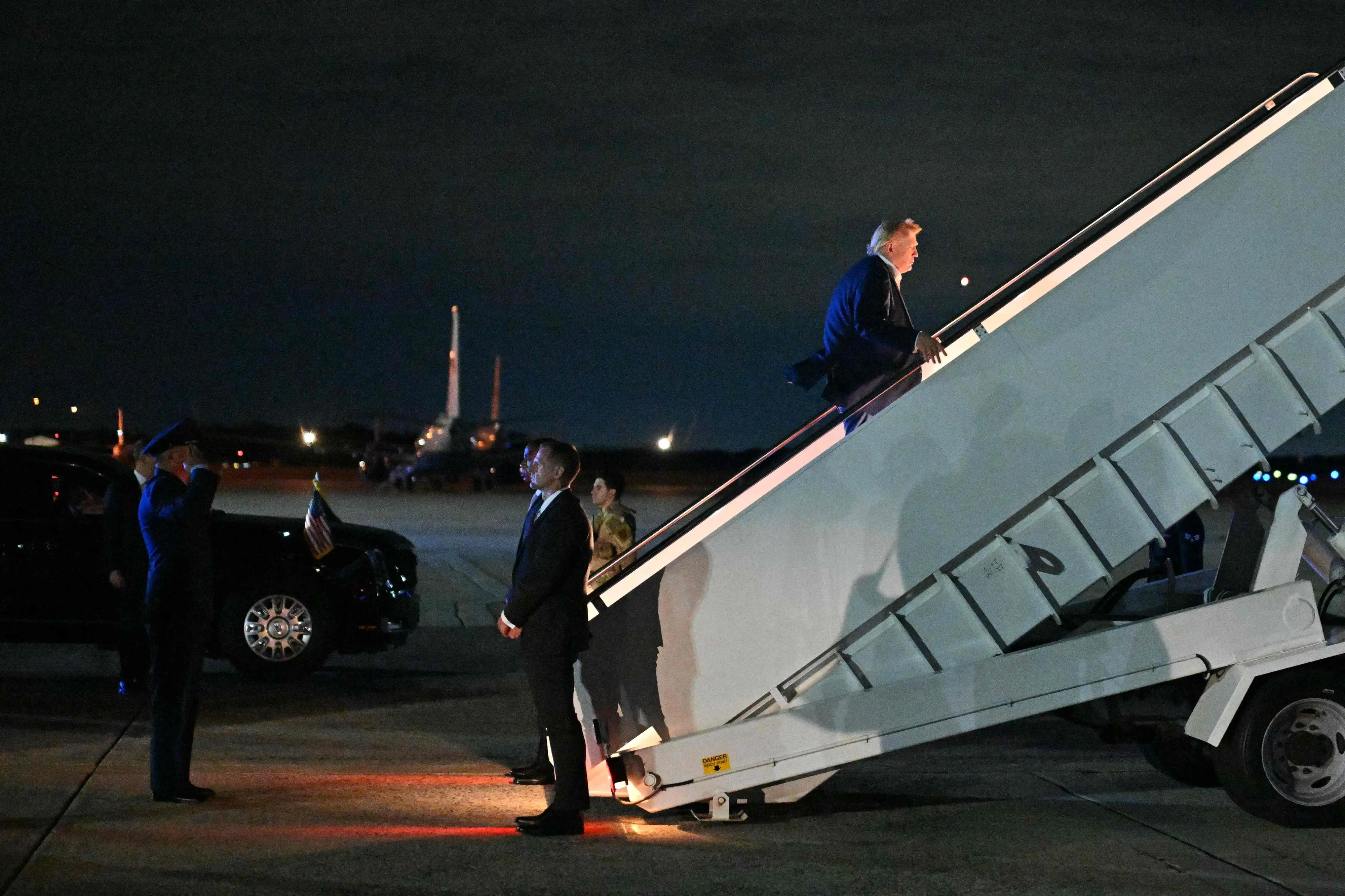
Dubai: US President Donald Trump announced on Monday that Washington and Tehran have finalised a historic agreement to bring an end to the military conflict between the two nations. The formal peace accord is scheduled to be signed in Switzerland on June 19.
The breakthrough follows months of intense international diplomacy. Below is an overview of the pivotal figures who shaped the negotiations across all sides.
The United States delegation
- Donald Trump: The US President has anchored his second-term foreign policy on his self-image as a global peacemaker. He has been the primary catalyst pushing for this settlement, positioning the upcoming treaty as the definitive foreign policy triumph of his current administration.
- J D Vance: As Vice President, Vance has been an essential fixture in the administration’s war cabinet, guiding Washington's strategic positions as the hostilities stretched into their fourth month. He heavily influenced the draft of the 14-point memorandum of understanding that serves as the foundation for the peace deal, and he personally spearheaded the American delegation during grueling, marathon sessions with Iranian officials in Islamabad in early April.
- Steve Witkoff: Serving as Trump’s special envoy to West Asia, Witkoff managed the frontline American negotiating team during crucial back-channel discussions. Working alongside Pakistani mediators, he was instrumental in constructing the framework of the agreement and reconciling deep-seated differences between the two warring nations.
- Jared Kushner: Operating as an informal advisor, Trump's son-in-law leveraged the deep West Asian diplomatic networks he established during Trump's first presidential term. Working in tandem with Vance and Witkoff, Kushner helped sustain the momentum of the broader American diplomatic push.
The Iranian leadership
- Ali Larijani: The Secretary of the powerful Supreme National Security Council served as the de facto leader of Iran following the assassination of Supreme Leader Ali Khamenei on February 28. Larijani steered the nation's initial crisis response until he was also killed in mid-March by joint US-Israeli airstrikes.
- Abbas Araghchi: As Iran's Foreign Minister, Araghchi solidified his position as one of the country's most dominant voices in foreign policy throughout the war. He took charge of managing Tehran’s diplomatic ties with global superpowers and regional neighbours, serving as Iran's primary point of contact for Pakistan's mediation team.
- Mohammad Bagher Ghalibaf: The Speaker of Iran's Parliament, traditionally seen as a hardliner, became a central figure in the peace track with Washington. He served as Iran's chief negotiator during the historic April meetings in Islamabad, which marked the first direct, face-to-face talks between the US and Iran in decades.
The Pakistani mediators
- Field Marshal Asim Munir: Pakistan's Army Chief masterminded Islamabad's mediation campaign, marking the country's most critical diplomatic intervention in modern history. His quiet, behind-the-scenes dialogues with both American and Iranian officials are widely praised for rescuing the peace talks from multiple near-collapses.
- Shehbaz Sharif: The Prime Minister of Pakistan acted as a highly visible facilitator for the dialogue. This past Saturday, Sharif broke news on X that the accord was expected to be completed "within the next 24 hours" via an electronic signing. Under his governance, Pakistan hosted the initial breakthrough talks in April, ending a 47-year drought of direct US-Iran diplomacy.
- Ishaq Dar: Serving as Pakistan’s Deputy Prime Minister and Foreign Minister, Dar managed the core diplomatic heavy lifting. He held high-level talks with US Secretary of State Marco Rubio and Iranian Foreign Minister Araghchi, while simultaneously coordinating with regional powers like Turkey and Qatar to maintain a united diplomatic front.
- Mohsin Naqvi: Pakistan's Interior Minister and a trusted ally of Army Chief Munir, Naqvi completed multiple high-stakes trips to Tehran to meet face-to-face with Iranian leaders. His diplomatic visits served as essential confidence-building exercises that paved the way for the upcoming formal signing.
PTI